Overview
On completion of this unit you will gain knowledge and understanding of the aetiology and pathogenesis of oral and systemic diseases as a foundation for clinical practice in Years 2 and 3. You will develop an understanding of the impact of systemic disease on the health of the oral cavity, dental management and treatment planning, the importance of patient medical history and the role of the oral health therapist within the dental team. You will learn the principles of intra-oral and extra-oral examination and screening for hard and soft tissue pathologies, as well as examination procedures in the detection of caries, changes in the tooth surface, pulpal and periapical tissues, and periodontal assessment. This knowledge will provide you with the foundations to recognise and describe oral pathological conditions in the clinical situation. You will learn to communicate information regarding oral health in oral and written forms and gain relevant interpersonal and team communication skills, professional attitudes and ethical behaviours.
Details
Pre-requisites or Co-requisites
Condition: Students must be enrolled in CB29 Oral Health Course to enrol in this unit. Prerequisites: ORAL11001 Introduction to Oral Health Therapy and BMSC11010 Human Anatomy and Physiology 1. Corequisites: ORAL11005 Oral Anatomy 2 and BMSC11011 Human Anatomy and Physiology 2.
Important note: Students enrolled in a subsequent unit who failed their pre-requisite unit, should drop the subsequent unit before the census date or within 10 working days of Fail grade notification. Students who do not drop the unit in this timeframe cannot later drop the unit without academic and financial liability. See details in the Assessment Policy and Procedure (Higher Education Coursework).
Offerings For Term 2 - 2026
Attendance Requirements
All on-campus students are expected to attend scheduled classes - in some units, these classes are identified as a mandatory (pass/fail) component and attendance is compulsory. International students, on a student visa, must maintain a full time study load and meet both attendance and academic progress requirements in each study period (satisfactory attendance for International students is defined as maintaining at least an 80% attendance record).
Recommended Student Time Commitment
Each 6-credit Undergraduate unit at CQUniversity requires an overall time commitment of an average of 12.5 hours of study per week, making a total of 150 hours for the unit.
Class Timetable
Assessment Overview
Assessment Grading
This is a graded unit: your overall grade will be calculated from the marks or grades for each assessment task, based on the relative weightings shown in the table above. You must obtain an overall mark for the unit of at least 50%, or an overall grade of 'pass' in order to pass the unit. If any 'pass/fail' tasks are shown in the table above they must also be completed successfully ('pass' grade). You must also meet any minimum mark requirements specified for a particular assessment task, as detailed in the 'assessment task' section (note that in some instances, the minimum mark for a task may be greater than 50%). Consult the University's Grades and Results Policy for more details of interim results and final grades.
All University policies are available on the CQUniversity Policy site.
You may wish to view these policies:
- Grades and Results Policy
- Assessment Policy and Procedure (Higher Education Coursework)
- Review of Grade Procedure
- Student Academic Integrity Policy and Procedure
- Academic Progression Policy and Procedure
- Student Refund and Credit Balance Policy and Procedure
- Complaints Policy and Procedure
- Information and Communications Technology Acceptable Use Policy and Procedure
This list is not an exhaustive list of all University policies. The full list of University policies are available on the CQUniversity Policy site.
Feedback, Recommendations and Responses
Every unit is reviewed for enhancement each year. At the most recent review, the following staff and student feedback items were identified and recommendations were made.
Feedback from Face to face
Students reported that the unit contained a lot of material, making it difficult to identify and prioritize key areas for study.
It is recommended to focus on essential material by enhancing the streamlined lecture slide layout and categorising additional learning resources as essential or optional.
Feedback from Face to face
Students valued the inclusion of short quizzes during lectures, as these helped check understanding and provided useful revision for assessment preparation
It is recommended that short quizzes continue to be incorporated during lectures.
- Demonstrate and describe the procedures involved in intra-oral and extra-oral examinations
- Recognize and describe pathological lesions in hard and soft tissues of the oral cavity
- Describe common and significant oral and systemic diseases and discuss the impact of these diseases on dental treatment and management by the dental team and oral health therapist
- Describe the aetiology and pathogenesis of dental caries, periodontal diseases, and pulp and periapical disease
- Demonstrate appropriate oral and written communication skills, professional attitudes and ethical behaviours as required of an Oral Health Therapist.
The learning outcomes of this unit are part of the overall learning outcomes in the BOralHlth course at CQUniversity. They will form part of the annual report documentation which is submitted to the Australian Dental Council for accreditation.
Alignment of Assessment Tasks to Learning Outcomes
| Assessment Tasks | Learning Outcomes | ||||
|---|---|---|---|---|---|
| 1 | 2 | 3 | 4 | 5 | |
| 1 - On-campus Activity - 0% | |||||
| 2 - Presentation - 30% | |||||
| 3 - Online Quiz(zes) - 20% | |||||
| 4 - In-class Test(s) - 50% | |||||
Alignment of Graduate Attributes to Learning Outcomes
| Graduate Attributes | Learning Outcomes | ||||
|---|---|---|---|---|---|
| 1 | 2 | 3 | 4 | 5 | |
| 1 - Communication | |||||
| 2 - Problem Solving | |||||
| 3 - Critical Thinking | |||||
| 4 - Information Literacy | |||||
| 5 - Team Work | |||||
| 6 - Information Technology Competence | |||||
| 7 - Cross Cultural Competence | |||||
| 8 - Ethical practice | |||||
| 9 - Social Innovation | |||||
| 10 - First Nations Knowledges | |||||
| 11 - Aboriginal and Torres Strait Islander Cultures | |||||
Textbooks
General and Oral Pathology for the Dental Hygienist, Enhanced Edition
- 3rd Edition (2020)
- Authors: Leslie Delong and Nancy W. Burkhart
- Jones and Bartlett Publishers, Inc
- Burlington Burlington , Mass , USA
- ISBN: ISBN: 9781284209365 and ISBN-10: 1284209369
The textbook is available on the E Reading list for ORAL11003.
IT Resources
- CQUniversity Student Email
- Internet
- Unit Website (Moodle)
All submissions for this unit must use the referencing styles below:
For further information, see the Assessment Tasks.
c.m.fay@cqu.edu.au
Week 1
Begin Date: 13 Jul 2026Module/Topic
Introduction to Oral and General Pathology and Immunology:
- Classification of diseases
- Cellular basis of disease
- Introduction to the immune system.
Chapter
DeLong, L., and Burkhardt, N. W. (2018). General and oral pathology for the dental hygienist (3rd ed.,) Wolters Kluwer. Philadelphia, Pennsylvania, USA. Chapters 1,2 and 3.
Events and Submissions/Topic
Week 2
Begin Date: 20 Jul 2026Module/Topic
Inflammation and repair.
Introduction to medical terminology.
Chapter
DeLong, L., and Burkhardt, N. W. (2018). General and oral pathology for the dental hygienist (3rd ed.,) Wolters Kluwer. Philadelphia, Pennsylvania, USA. Chapters 4 and 5.
Events and Submissions/Topic
Week 3
Begin Date: 27 Jul 2026Module/Topic
Introduction to neoplasia.
Soft tissue lesions of the oral mucosa.
Chapter
DeLong, L., and Burkhardt, N. W. (2018). General and oral pathology for the dental hygienist (3rd ed.,) Wolters Kluwer. Philadelphia, Pennsylvania, USA. Chapters 10 - 19
Robinson, D. S. (2023) Modern dental assisting (14th ed.,) Elsevier. St Louis, Missouri, US. Chapter 17.
Events and Submissions/Topic
Week 4
Begin Date: 03 Aug 2026Module/Topic
Introduction to Biofilm, Calculus and Periodontal Disease.
Chapter
Gehrig, Jill S., Shin, Daniel E.,; Willmann, Donald E.,(2019) Foundations of periodontics for the dental hygienist. (Enhanced fifth edition.,) Burlington, Massachusetts :, Jones & Bartlett Learning, (2019) Chapter 13: Oral Biofilms.
Events and Submissions/Topic
Week 5
Begin Date: 10 Aug 2026Module/Topic
Enlargements of hard and soft tissues associated with the oral cavity.
Chapter
DeLong, L., and Burkhardt, N. W. (2018). General and oral pathology for the dental hygienist (3rd ed.,) Wolters Kluwer. Philadelphia, Pennsylvania, USA. Chapters 10-19.
Robinson, D. S. (2023) Modern dental assisting (14th ed.,) Elsevier. St Louis, Missouri, US. Chapter 17.
Events and Submissions/Topic
Week 6
Begin Date: 17 Aug 2026Module/Topic
Systemic diseases 1:
- Developmental, hereditary and congenital disorders
- Endocrine disorders
- Cardiovascular diseases
- Infectious diseases.
Chapter
DeLong, L., and Burkhardt, N. W. (2018). General and oral pathology for the dental hygienist (3rd ed.,) Wolters Kluwer. Philadelphia, Pennsylvania, USA. Chapters 6 and 7.
Robinson, D. S. (2023) Modern dental assisting (14th ed.,) Elsevier. St Louis, Missouri, US. Chapter 29 and 30.
Events and Submissions/Topic
In-Class test. A written assessment for weeks 1-4.
Vacation Week
Begin Date: 24 Aug 2026Module/Topic
Chapter
Events and Submissions/Topic
Week 7
Begin Date: 31 Aug 2026Module/Topic
Systemic diseases 2:
- Blood disorders
- Respiratory disorders
- Gastrointestinal disorders
- Neurological disorders
- Skeletal disorders
- Infectious diseases continued.
Chapter
DeLong, L., and Burkhardt, N. W. (2018). General and oral pathology for the dental hygienist (3rd ed.,) Wolters Kluwer. Philadelphia, Pennsylvania, USA. Chapters 8 and 9.
Robinson, D. S. (2023) Modern dental assisting (14th ed.,) Elsevier. St Louis, Missouri, US. Chapter 29 and 30.
Events and Submissions/Topic
Week 8
Begin Date: 07 Sep 2026Module/Topic
Medical emergencies in dental practice.
Medical emergency scenarios.
Chapter
DeLong, L., and Burkhardt, N. W. (2018). General and oral pathology for the dental hygienist (3rd ed.,) Wolters Kluwer. Philadelphia, Pennsylvania, USA.
Robinson, D. S. (2023) Modern dental assisting (14th ed.,) Elsevier. St Louis, Missouri, US. Chapters Chapter 27 and 31.
Events and Submissions/Topic
Week 9
Begin Date: 14 Sep 2026Module/Topic
Introduction to dental caries:
- Aetiology of dental caries
- Progression of the caries lesion in enamel and dentine
- Dentine and pulp response to caries.
On-Campus Clinical Activity
Chapter
Resources on Moodle.
Events and Submissions/Topic
Week 10
Begin Date: 21 Sep 2026Module/Topic
Clinical examination:
- Medical and dental histories
- Clinical examination procedures and oral cancer screening
- Radiographic examination revision.
On-Campus Clinical Activity
Chapter
DeLong, L., and Burkhardt, N. W. (2018). General and oral pathology for the dental hygienist (3rd ed.,) Wolters Kluwer. Philadelphia, Pennsylvania, USA. Chapter 1.
Robinson, D. S. (2023) Modern dental assisting (14th ed.,) Elsevier. St Louis, Missouri, US. Chapters 26 and 28.
Events and Submissions/Topic
Week 11
Begin Date: 28 Sep 2026Module/Topic
Pulp inflammation and its sequela:
- Aetiology of pulp and periapical disease
- Pulp and dentine response to injury
- Apical and peri radicular lesions.
Chapter
Resources on Moodle.
Events and Submissions/Topic
Week 12
Begin Date: 05 Oct 2026Module/Topic
Revision and evaluation lecture.
Prerecorded Oral Presentations presented in class and on Moodle.
Chapter
Events and Submissions/Topic
Exam Week
Begin Date: 12 Oct 2026Module/Topic
In Class Test Assessment
Chapter
Events and Submissions/Topic
Vacation/Exam Week
Begin Date: 19 Oct 2026Module/Topic
Chapter
Events and Submissions/Topic
1 On-campus Activity
In this assessment you will complete three On-Campus activities:
- On-Campus Activity: Vital Signs. You will complete the vital signs activity during the ORAL11003 clinic sessions on campus. There is an online component that must be completed before the On-Campus training
- On-Campus Activity: Salivary Flow Testing. You will complete saliva testing activities during the ORAL11003 clinic sessions on campus. Answers to the workbook questions must be submitted after the saliva testing activity.
- On-Campus Clinical Activity. You will attend clinical sessions for ORAL11003 in Weeks 9 and 10 on campus. You will perform an examination on a peer, under supervision, to identify normal anatomical features in an extra-oral and intra-oral examination. Answers to the workbook questions and notes taken during the examination must be submitted after the clinic activity.
All activities are outlined in detail in the Clinic Workbook for ORAL11003.
Level of GenAI use allowed: Level 1:
No AI. You must not use AI at any point during the assessment. You must demonstrate your core skills and knowledge.
There are two due dates for this assessment. The online component for Vital signs training must be submitted by 5.00pm Wednesday 16th September 2026. Completed workbook questions and notes for saliva testing and clinical activity must be submitted by 5.00pm Monday 28th September 2026. The 72-hour grace period does not apply to this assessment.
Feedback will be given in class and online in week 11.
This activity is a Pass/Fail assessment. You must attend the clinic sessions, complete the tasks and upload to pass this assessment. You must complete the tasks with appropriate standards of professionalism, infection control and workplace health and safety and complete the tasks as described in the workbook. A copy of the performance standard rubric for the intra-oral and extra-oral examination is provided below.

- Demonstrate and describe the procedures involved in intra-oral and extra-oral examinations
- Recognize and describe pathological lesions in hard and soft tissues of the oral cavity
- Demonstrate appropriate oral and written communication skills, professional attitudes and ethical behaviours as required of an Oral Health Therapist.
2 Presentation
In this assessment, you will create a short presentation on how common medical conditions impact dental treatment and develop communication tools for patient education. The task includes both a group presentation and an individual component. The prerecorded presentations and patient information sheets will be shown to the class in the final week of term.
Group Oral Presentation 20%
You will work in small groups of 3–4 members. Each group will choose a common medical condition from a list provided on Moodle.
You will collaborate with your group to research the chosen condition and its impact on dental treatment and patient care. Together, your group will develop and record a clear, concise, and academically appropriate 10-minute PowerPoint presentation aimed at educating your fellow students
Individual Fact Sheet 10%
You will individually prepare a patient information sheet for patients diagnosed with the group’s chosen medical condition. The information sheet should be no more than 500 words, written in plain language suitable for patients, using headings, bullet points and visual information to enhance the readability.
Suggestions of what to include in your information sheet:
- A brief explanation of the condition
- How the condition affects oral health
- What to tell your dental clinician
- Dental care advice and precautions relevant to the condition
- Contact information and links to resources.
Level of GenAI use allowed: Level 2:
AI planning. You may use AI for planning, idea development, and research. Your final submission should show how you have developed and refined these ideas.
The due date is for the submission of the group presentation including recording, power point and copy of the script is 5.00pm Thursday 24th September 2026.The due date is for the submission of the individual patient information sheet is 5.00pm Thursday 1st October 2026.
Presentations and Patient Information Sheets will be viewed in the class in week 12. Grades and feedback will be returned by Friday 9th October 2026.
The combined total of the group presentation and individual fact sheet is worth 30% of your final grade for the unit. This is a must-pass assessment, therefore you must acheive 50% of the combined total of the group and individual work to pass this unit. The marking criteria for the group presentation and individual fact sheet are found below.


- Describe common and significant oral and systemic diseases and discuss the impact of these diseases on dental treatment and management by the dental team and oral health therapist
- Demonstrate appropriate oral and written communication skills, professional attitudes and ethical behaviours as required of an Oral Health Therapist.
3 Online Quiz(zes)
In this assessment you will complete one online quiz which will assess your understanding and application of medical and dental terminology.
To prepare for this assessment you should participate the medical terminology tutorial in week 2 and complete the exercises on medical terminology. Each week it is advised to compile a list of new terminology and definitions and upload the terms to the glossary activity on Moodle.
Format of the quiz:
The quiz questions will ask you to type in the medical terminology word or fill the blank in a sentence.
Questions will be randomly selected from a question bank.
You are allowed only one attempt per quiz. The quiz has a time limit. Once the time limit expires, your quiz will be automatically submitted, and no further answers can be entered.
Online Quiz will assess terminology from weeks 1-10.
Level of GenAI use allowed: Level 1:
No AI. You must not use AI at any point during the assessment. You must demonstrate your core skills and knowledge.
Week 12 Wednesday (7 Oct 2026) 5:00 pm AEST
The quiz opens Thursday 17th September 8.00am and closes Wednesday 7th October 5.00pm.
Exam Week Monday (12 Oct 2026)
This assessment is worth 20% of the final grade for this unit. This is a must-pass assessment, therefore you must acheive 50% to pass this unit.
- Recognize and describe pathological lesions in hard and soft tissues of the oral cavity
- Describe the aetiology and pathogenesis of dental caries, periodontal diseases, and pulp and periapical disease
4 In-class Test(s)
You will complete one closed-book, written in-class test to assess your understanding of oral diseases and related content. To prepare for this test you are advised to:
- Review lecture notes, readings, and weekly learning materials.
- Practice writing clear, concise responses to paragraph-style questions. You will find past year practice questions in the weekly study guides.
- Complete the weekly practice quizzes to self assess you understanding of key concepts and terminology related to oral diseases.
Test Format
The test is in two parts. Part A and Part B.
- Part A will include multiple choice questions.
- Part B will include longer response questions with multiple parts. You may be asked to draw or label diagram.
The tests are closed-book and held under supervised conditions.
Level of GenAI use allowed: Level 1:
No AI. You must not use AI at any point during the assessment. You must demonstrate your core skills and knowledge.
Exam Week Thursday (15 Oct 2026) 5:00 pm AEST
The 72-hour grace period does not apply to this assessment.
Results of the test will be available on Release of Grades day.
The In-Class test is worth 50% of the total grade for this unit. This is a must pass assessment. You must achieve 50% to pass this unit. Your answers will be graded against a standard answer and marking guide.
- Demonstrate and describe the procedures involved in intra-oral and extra-oral examinations
- Describe common and significant oral and systemic diseases and discuss the impact of these diseases on dental treatment and management by the dental team and oral health therapist
- Describe the aetiology and pathogenesis of dental caries, periodontal diseases, and pulp and periapical disease
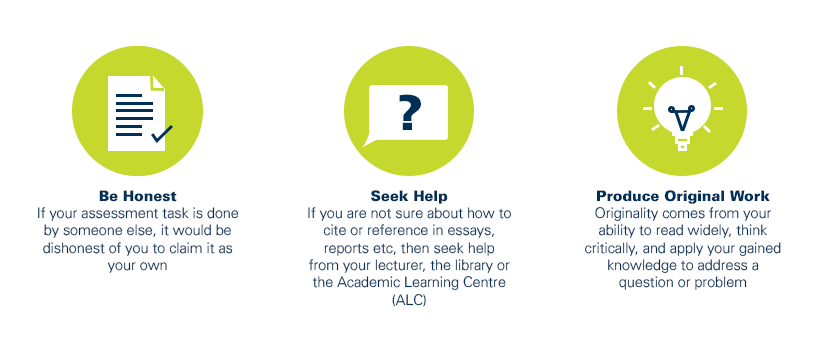
As a CQUniversity student you are expected to act honestly in all aspects of your academic work.
Any assessable work undertaken or submitted for review or assessment must be your own work. Assessable work is any type of work you do to meet the assessment requirements in the unit, including draft work submitted for review and feedback and final work to be assessed.
When you use the ideas, words or data of others in your assessment, you must thoroughly and clearly acknowledge the source of this information by using the correct referencing style for your unit. Using others’ work without proper acknowledgement may be considered a form of intellectual dishonesty.
Participating honestly, respectfully, responsibly, and fairly in your university study ensures the CQUniversity qualification you earn will be valued as a true indication of your individual academic achievement and will continue to receive the respect and recognition it deserves.
As a student, you are responsible for reading and following CQUniversity’s policies, including the Student Academic Integrity Policy and Procedure. This policy sets out CQUniversity’s expectations of you to act with integrity, examples of academic integrity breaches to avoid, the processes used to address alleged breaches of academic integrity, and potential penalties.
What is a breach of academic integrity?
A breach of academic integrity includes but is not limited to plagiarism, self-plagiarism, collusion, cheating, contract cheating, and academic misconduct. The Student Academic Integrity Policy and Procedure defines what these terms mean and gives examples.
Why is academic integrity important?
A breach of academic integrity may result in one or more penalties, including suspension or even expulsion from the University. It can also have negative implications for student visas and future enrolment at CQUniversity or elsewhere. Students who engage in contract cheating also risk being blackmailed by contract cheating services.
Where can I get assistance?
For academic advice and guidance, the Academic Learning Centre (ALC) can support you in becoming confident in completing assessments with integrity and of high standard.
What can you do to act with integrity?