Overview
In this unit you will have the opportunity to work with adults and/or children with a wide range of communication and/or swallowing goals and needs, through the completion of work integrated learning. Your work integrated learning will provide you with experiences that will enable you to develop intermediate level clinical competencies. You will engage in reciprocal learning with peers from speech pathology and other disciplines and advocate for the role of the speech pathology profession in meeting the needs of individuals and communities. You will apply the International Classification of Functioning, Disability and Health (ICF) framework and integrate principles of evidence-based practice, critical reflection, knowledge transfer, and interprofessional practice to reflect the unique needs of individuals and their communities. Prior to the commencement of the unit, you must complete all pre-clinical requirements and maintain these requirements throughout the unit.
Details
Pre-requisites or Co-requisites
Pre-requisites: SPCH13001 - Speech Pathology Work-Integrated Learning 2 SPCH13010 - Swallowing and Feeding Across the Lifespan SPCH13003 - Assessment of Neurogenic Communication Conditions SPCH13012 - Stuttering and Voice Across the Lifespan
Important note: Students enrolled in a subsequent unit who failed their pre-requisite unit, should drop the subsequent unit before the census date or within 10 working days of Fail grade notification. Students who do not drop the unit in this timeframe cannot later drop the unit without academic and financial liability. See details in the Assessment Policy and Procedure (Higher Education Coursework).
Offerings For Term 2 - 2026
Attendance Requirements
All on-campus students are expected to attend scheduled classes - in some units, these classes are identified as a mandatory (pass/fail) component and attendance is compulsory. International students, on a student visa, must maintain a full time study load and meet both attendance and academic progress requirements in each study period (satisfactory attendance for International students is defined as maintaining at least an 80% attendance record).
Recommended Student Time Commitment
Each 6-credit Undergraduate unit at CQUniversity requires an overall time commitment of an average of 12.5 hours of study per week, making a total of 150 hours for the unit.
Class Timetable
Assessment Overview
Assessment Grading
This is a graded unit: your overall grade will be calculated from the marks or grades for each assessment task, based on the relative weightings shown in the table above. You must obtain an overall mark for the unit of at least 50%, or an overall grade of 'pass' in order to pass the unit. If any 'pass/fail' tasks are shown in the table above they must also be completed successfully ('pass' grade). You must also meet any minimum mark requirements specified for a particular assessment task, as detailed in the 'assessment task' section (note that in some instances, the minimum mark for a task may be greater than 50%). Consult the University's Grades and Results Policy for more details of interim results and final grades.
All University policies are available on the CQUniversity Policy site.
You may wish to view these policies:
- Grades and Results Policy
- Assessment Policy and Procedure (Higher Education Coursework)
- Review of Grade Procedure
- Student Academic Integrity Policy and Procedure
- Academic Progression Policy and Procedure
- Student Refund and Credit Balance Policy and Procedure
- Complaints Policy and Procedure
- Information and Communications Technology Acceptable Use Policy and Procedure
This list is not an exhaustive list of all University policies. The full list of University policies are available on the CQUniversity Policy site.
Feedback, Recommendations and Responses
Every unit is reviewed for enhancement each year. At the most recent review, the following staff and student feedback items were identified and recommendations were made.
Feedback from Team discussion
Upon discussion with the Practice Education Coordinators, students require teaching on knowledge transfer earlier in Year 3 to better support those doing their first adult placements in Term 1.
It is recommended that the Knowledge Transfer topic in SPCH13006 (Term 2) be moved to SPCH13001 (Term 1).
Feedback from Team discussion
Upon discussion with the other WIL unit coordinators, students need more time consolidating their knowledge of various reflective practice models before building their depth/complexity of reflective analysis.
It is recommended that the Depth of Reflection topic in SPCH13001 (Term 1) be moved to SPCH13006 (Term 2).
Feedback from Informal student feedback
Informal student feedback indicated that the shift to having a full day intensive at the start of term, in order to ease the workload later in the term, had a positive effect on their ability to manage their Year 3 workloads.
It is recommended that the full day intensive at the start of term, followed by shorter tutorials ending earlier in the term, be retained.
Feedback from Informal student feedback
Informal student feedback indicated that changes to the structure of the Interprofessional Education (IPE) modules and templates improved the effectiveness and efficiency of their participation and subsequent learning.
It is recommended that the IPE planning team consider retaining the key features of the updated Moodle structure and the IPE assessment and intervention planning forms.
- Apply theory to practice to identify and discuss how global perspectives, Aboriginal and Torres Strait Islander perspectives, and community-centred practice principles influence the assessment and management of clients with communication and/or swallowing needs
- Integrate the principles of knowledge transfer, interprofessional collaborative practice, and critical reflection to generate ethical and evidence-based management plans
- Document and track the work-integrated learning experiences gained across areas of communication and swallowing
- Demonstrate clinical and professional competence, as defined by Speech Pathology Australia, during work-integrated learning experiences
Alignment of Assessment Tasks to Learning Outcomes
| Assessment Tasks | Learning Outcomes | |||
|---|---|---|---|---|
| 1 | 2 | 3 | 4 | |
| 1 - Presentation - 50% | ||||
| 2 - Portfolio - 50% | ||||
| 3 - Learning logs / diaries / Journal / log books - 0% | ||||
| 4 - Professional Practice Placement - 0% | ||||
Alignment of Graduate Attributes to Learning Outcomes
| Graduate Attributes | Learning Outcomes | |||
|---|---|---|---|---|
| 1 | 2 | 3 | 4 | |
| 1 - Communication | ||||
| 2 - Problem Solving | ||||
| 3 - Critical Thinking | ||||
| 4 - Information Literacy | ||||
| 5 - Team Work | ||||
| 6 - Information Technology Competence | ||||
| 7 - Cross Cultural Competence | ||||
| 8 - Ethical practice | ||||
| 9 - Social Innovation | ||||
| 10 - First Nations Knowledges | ||||
| 11 - Aboriginal and Torres Strait Islander Cultures | ||||
Textbooks
There are no required textbooks.
Additional Textbook Information
All learning resources will be posted in Moodle and the eReading List.
IT Resources
- CQUniversity Student Email
- Internet
- Unit Website (Moodle)
All submissions for this unit must use the referencing style: American Psychological Association 7th Edition (APA 7th edition)
For further information, see the Assessment Tasks.
j.l.hamilton@cqu.edu.au
Pre-Term Intensive
Begin Date: 10 Jul 2026Module/Topic
The Pre-Term Intensive runs on Friday 10th July from 9am to 3pm. Readings and online activities must be completed prior to 10th July.
Unit Administration Topics:
- Review of Speech Pathology Australia's competency-based assessment tool (COMPASS)
- Overview of assessment tasks
Clinical Practice Topics:
- Professionalism vs ethics
- Depth of reflective practice
- Therapeutic alliance
- Clinical yarning
- Global perspectives
There will be no tutorial in Week 1.
Chapter
Readings will be posted on the eReading List in Moodle
Events and Submissions/Topic
Week 2
Begin Date: 20 Jul 2026Module/Topic
- Ethnographic interviewing
- Clinical placement reflections
Chapter
Readings will be posted on the eReading List in Moodle
Events and Submissions/Topic
Week 3
Begin Date: 27 Jul 2026Module/Topic
- Motivational interviewing
- Clinical placement reflections
Chapter
Readings will be posted on the eReading List in Moodle
Events and Submissions/Topic
Week 4
Begin Date: 03 Aug 2026Module/Topic
- Goal Attainment Scaling (GAS)
- Clinical placement reflections
Chapter
Readings will be posted on the eReading List in Moodle
Events and Submissions/Topic
Week 5
Begin Date: 10 Aug 2026Module/Topic
- Outcome measurement
- Clinical placement reflections
Chapter
Readings will be posted on the eReading List in Moodle
Events and Submissions/Topic
Week 6
Begin Date: 17 Aug 2026Module/Topic
- No recorded content this week
- In tutorial: Preparing for Interprofessional Education (IPE) adult module, part 1 (assessment); clinical placement reflections
- Students are also required to participate in their first IPE team meeting this week, which will occur outside of typical tutorial times (dates/times will be posted in the IPE Moodle site).
- Tutorial runs from 1-2pm today
Chapter
See materials in the Term 2 IPE Moodle site
Events and Submissions/Topic
Vacation Week
Begin Date: 24 Aug 2026Module/Topic
Chapter
Events and Submissions/Topic
Week 7
Begin Date: 31 Aug 2026Module/Topic
No recorded content or tutorial this week
Chapter
Events and Submissions/Topic
Week 8
Begin Date: 07 Sep 2026Module/Topic
- No recorded content this week
- In tutorial: Preparing for Interprofessional Education (IPE) adult module, part 2 (intervention); clinical placement reflections
- Students are also required to participate in their second IPE team meeting this week, which will occur outside of typical tutorial times (dates/times will be posted in the IPE Moodle site).
Chapter
See materials in the Term 2 IPE Moodle site
Events and Submissions/Topic
Week 9
Begin Date: 14 Sep 2026Module/Topic
No recorded content or tutorial this week
Chapter
Events and Submissions/Topic
Week 10
Begin Date: 21 Sep 2026Module/Topic
No recorded content or tutorial this week
Chapter
Events and Submissions/Topic
Week 11
Begin Date: 28 Sep 2026Module/Topic
No recorded content or tutorial this week
Chapter
Events and Submissions/Topic
Week 12
Begin Date: 05 Oct 2026Module/Topic
No recorded content or tutorial this week
Chapter
Events and Submissions/Topic
Exam Week
Begin Date: 12 Oct 2026Module/Topic
Chapter
Events and Submissions/Topic
Vacation/Exam Week
Begin Date: 19 Oct 2026Module/Topic
Chapter
Events and Submissions/Topic
Students should visit the CB87 Speech Pathology Course site in Moodle for information that is relevant across all units, including information that will support completion of assessments.
You will continue your Interprofessional Education (IPE) experience in this unit, with this term's case relating to an adult client. As in Term 1, most of your IPE learning will occur outside of scheduled class time, with the exception of Weeks 6 and 8, where you will work on your IPE tasks in tutorial with your lecturer and speech pathology classmates. You will meet with your IPE team in Week 6 to prepare your team's assessment plan and again in Week 8 to prepare your team's intervention plan. Your IPE team meetings will occur virtually, and dates/times will be posted in the IPE Moodle. The completed assessment and intervention plans must be submitted as part of Task 4 in your Reflective Practice Portfolio assessment.
You will also continue your clinical placement experience in this unit, attending placement one day per week throughout the term (or equivalent). The Practice Education / Work-Integrated Learning tile in the CB87 Speech Pathology Moodle site contains important material relating to your placements - please ensure you review this BEFORE starting your placement.
Susan Walker and Jodie Anderson are the Practice Education Coordinators for the speech pathology course. For any placement-related questions, please reach out to cqu-speech-clinical@cqu.edu.au (NOTE: responses are only sent Monday to Thursday due to work schedules).
For any questions relating to academic content in this unit, please reach out to the Unit Coordinator Justine Hamilton at j.l.hamilton@cqu.edu.au.
1 Presentation
For this assessment task, you will be required to prepare and deliver a recorded oral presentation that explains the global perspective of speech pathology in relation to a specific area of practice (e.g., literacy, stuttering). Your presentation must address the following questions:
- What is similar and/or different in the scope of practice and how students are trained in this area of practice in your assigned country compared to Australia?
- What is the public perception (e.g., attitudes/ beliefs, awareness) of this area of practice or speech pathology in general in your assigned country?
- How are services for this area of practice delivered in your assigned country? Consider how differences in geography, culture/ language, public perception, and/or funding have impacted service delivery. Discuss whether service delivery in your assigned country reflects community-centred practice or focuses on services at the individual level.
- What overlap in service delivery exists between speech pathology and other professions in your assigned country? Does this overlap help or hinder service delivery?
- What is one characteristic about this area of practice in your assigned country that you would like to see in Australia and why?
Your presentation slides must also include a reference list at the end.
During the intensive on Friday 10th July 2026 (week before term starts), you will receive the list of country/ area of practice topics and will have an opportunity to indicate your preferences. There is no guarantee that any student will receive their preferred topic. The assigned country/ area of practice topic will be confirmed by the end of the intensive. A maximum of two students will be assigned to any given topic. Any students who do not indicate a preference will be assigned an available topic. Each country/ area of practice topic will have two articles provided (one for Australia and one for the other country) to help you initiate your research and planning for this assessment.
Your presentation must be no more than 8 minutes in length. Presentations will only be marked until the 8-minute mark; content after this point will not be viewed or marked. You will upload your PowerPoint recording to the assessment folder in Moodle but also to the designated Moodle Discussion Forum for all students to watch. Each student will be assigned to post a question about one other presentation, and the lecturer will also post a question about each presentation. Questions should prompt the presenter to provide additional information to support effective learning and application of the content.
Level of GenAI use allowed:
Level 3: You may use Al to assist with specific tasks such as drafting text, refining, and evaluating your work. You must critically evaluate and modify any Al-generated content you use.
As this assessment involves a presentation and addressing questions from peers, the 72-hour grace period does not apply.
The full Task Description, including marking rubric, will be provided in Moodle.
Week 3 Monday (27 July 2026) 9:00 am AEST
The recorded presentation must be uploaded to Moodle and ALSO to the designated Moodle Discussion Forum by the deadline above. Your Discussion Forum question must then be posted by 9:00am on Monday 3rd August 2026. Your Discussion Forum responses must be posted by 6:00pm on Wednesday 5th August 2026.
Week 5 Friday (14 Aug 2026)
Grades and feedback will be uploaded to Moodle
There are 3 marking criteria that will be used to assess Assessment 1 for SPCH13006:
- The first criterion focuses on how clearly and comprehensively your presentation addresses the five required components described above. This criterion is worth 70% of this assessment grade.
- The second criterion focuses on your presentation and referencing skills. This criterion is worth 20% of this assessment grade. Note that violation of academic integrity requirements for referencing will additionally impact marks for criterion #1.
- The third criterion focuses on how clearly and specifically you respond to the questions from your peer and lecturer. This criterion is worth 10% of this assessment grade.
Detailed marking rubrics for each criterion will be included in the Task Description in Moodle.
- Apply theory to practice to identify and discuss how global perspectives, Aboriginal and Torres Strait Islander perspectives, and community-centred practice principles influence the assessment and management of clients with communication and/or swallowing needs
- Integrate the principles of knowledge transfer, interprofessional collaborative practice, and critical reflection to generate ethical and evidence-based management plans
2 Portfolio
This assessment is comprised of four individual reflection tasks. You may choose any reflective writing template for this assessment, including the one you developed in SPCH13001, but you must use the same one for all four tasks. You may not choose a learning experience that you already reflected on in tutorial. Each reflection is associated with academic content covered in the recorded lectures, online activities, and/or during in-person tutorials throughout the term. Each reflection requires applying your academic knowledge to your current and/or prior placement experiences. You must select specific experiences that resulted in new learning. You must demonstrate deep reflection rather than superficial description. Speech Pathology Australia’s Professional Standards 1.1, 1.2, 1.3, 1.4, 1.5, 1.6, 1.7, 2.1, 2.2, 2.3, 2.5, 2.6, 3.1, 3.3, 3.4, and 3.5 are reflected in this assessment. The maximum word count across the four reflections is 2,400 words and you may distribute the word count across the four tasks as you wish.
Reflection Task 1
Choose ONE of the two topic options below, which you specifically experienced on your SPCH13006 work-integrated learning experiences:
Option A: Ethnographic Interviewing
• Ethnographic interviewing reflects clinical principles often seen in First Nations cultures as well as other non-Western cultures. It can improve therapeutic alliance and provide detailed information to support effective assessment and intervention planning. However, it is a time-consuming process.
Option B: Outcome Measurement
• Outcome measurement is important for guiding our clinical decision-making, supporting clients in understanding the value in continuing services, and advocating for governments to fund services. However, choosing meaningful outcome measures is difficult, as is determining whether intervention was effective.
For your chosen topic, write a reflection that describes:
a) The specific event/occurrence (not a generic overview) that took place during your SPCH13006 placement relating to your chosen topic, along with the ethical questions raised by the event/occurrence. Ensure you apply one or more elements from the Ethical Values and/or Ethical Principles described in the SPA Code of Ethics to the event/occurrence and your chosen topic.
b) An analysis of growth you have demonstrated in your chosen topic over the past three placements, as well as further changes you commit to making in your upcoming SPCH14009 placement. Ensure you support your analysis and recommended changes with reference to academic content and additional high-quality literature.
Reflection Task 2: Motivational Interviewing
Motivational Interviewing (MI) is a clinical approach to engage clients in the process of change. It is designed to support the development of authentic and productive clinical relationships, especially with clients or families who seem resistant to change or appear disengaged from the therapy process.
Write a reflection that describes:
a) The specific event/occurrence (not a generic overview) that took place during your SPCH13006 placement relating to a client who appeared resistant to change and/or disengaged in the therapy process.
b) An analysis of the factors that may have contributed to resistance to change or lack of engagement in therapy. Ensure you consider a range of client diversity characteristics (e.g., health, financial, cultural, linguistic, geographic, roles and relationships with family).
c) What went well and didn’t go well in how you approached engaging the client. Ensure you reference how you used knowledge transfer and/or evidence-based practice to guide your approach.
d) Which MI principles and/or techniques could have been applied. Ensure you specifically explain how and when you could have integrated MI principles or techniques if you had an opportunity to re-do your interactions with this client.
Reflection Task 3: Working with Aboriginal and Torres Strait Islander Peoples
A key component to effective client-, family-, and community-centred practice is ensuring your clinical approaches reflect your clients’ personal and cultural experiences and preferences. This is especially true when working with Aboriginal and Torres Strait Islander Peoples, where colonialism has had an additional impact beyond race, religion, and culture.
Write a reflection that describes:
a) The specific event/occurrence (not a generic overview) that took place during one of your placements when you needed to apply cultural sensitivity and cultural humility when working with an Aboriginal or Torres Strait Islander person. If you have not worked with an Aboriginal person on placement yet, select an event/occurrence from another experience in your life.
b) What went well and didn’t go well during the interaction. Consider how your approach mapped to the person’s cultural and systemic experiences.
c) What you commit to doing differently during your next interactions with Aboriginal or Torres Strait Islander Peoples. Apply your learning from the Clinical Yarning modules and transfer knowledge from the academic content on Global Perspectives.
Reflection Task 4: Interprofessional Practice
Regardless of your practice setting, there is a high likelihood that you will be collaborating with health and education professionals from a range of disciplines. It is known that interprofessional collaboration is important to effectively and efficiently meet the needs of the individuals we serve and to prevent adverse outcomes.
Write a reflection that describes:
a) What you and/or other team members changed in your approach to the team collaborations this term and what the result was. Reference applicable domains in the Canadian Interprofessional Health Collaborative Competency Framework and additional high-quality literature.
c) What specific actions you commit to in your future interprofessional interactions and why you think these actions will result in improved client outcomes. Ensure you support your analysis and recommendations with reference to academic content and additional high-quality literature.
You must attach the Team Agenda and Assessment Plan and the Team Agenda and Intervention Plan you completed with your IPE team as an Appendix to this assessment (NOTE: appendix content is not included in the word limit). All sections in both plans must be completed in sufficient detail to allow accurate interpretation by another team member who did not attend the meetings. Ensure all acronyms are explained.
Level of GenAI use allowed:
Level 3: You may use Al to assist with specific tasks such as drafting text, refining, and evaluating your work. You must critically evaluate and modify any Al-generated content you use.
The full Task Description, including marking rubric, will be provided in Moodle.
Week 11 Friday (2 Oct 2026) 6:00 pm AEST
The assessment must be uploaded to Moodle by the due date/time.
Vacation/Exam Week Monday (19 Oct 2026)
Grades and feedback will be uploaded to Moodle.
There are 4 marking criteria that will be used to assess Assessment 2 for SPCH13006:
1. The first criterion focuses on the specificity of the reflections and the logical flow of analyses and recommendations. This criterion is worth 40% of this assessment grade.
2. The second criterion focuses on the depth of analysis and the application of academic content, knowledge transfer, and/or quality literature to support your analysis and recommendations. This criterion is worth 35% of this assessment grade.
3. The third criterion focuses on the accuracy and quality of your referencing, writing, and formatting. This criterion is worth 15% of this assessment grade. Note that violation of academic integrity requirements for referencing will additionally impact marks for criterion #1.
4. The fourth criterion focuses on the clarity of the Team Agenda and Assessment Plan and the Team Agenda and Intervention Plan. This criterion is worth 10% of this assessment grade.
- Apply theory to practice to identify and discuss how global perspectives, Aboriginal and Torres Strait Islander perspectives, and community-centred practice principles influence the assessment and management of clients with communication and/or swallowing needs
- Integrate the principles of knowledge transfer, interprofessional collaborative practice, and critical reflection to generate ethical and evidence-based management plans
3 Professional Practice Placement
For this placement, you will be required to attend one full day per week at your assigned placement site for 12 weeks (or equivalent). Your Practice Educator(s) (PE(s)) will assess your competence across the seven CBOS units and each of the four generic professional competencies at both the mid and final points of the placement using the COMPASS Online assessment tool. In addition, you will be required to complete a self-assessment at each of these placement points via COMPASS Online.
At the commencement of your placement, you will also need to complete a learning contract, which is to be reviewed by you and your PE(s) as part of the mid-placement and final-placement assessments.
By the end of your placement, you are expected to demonstrate:
- Intermediate level competence across each of the CBOS Units 1-7, and
- Intermediate level competence in each generic professional competency unit.
You do not need to submit any documentation to Moodle for your COMPASS-assessed placement. Further information regarding the expectations when participating in clinical placements such as dress code, attendance requirements, and mandatory checks (pre-clinical requirements) can be found in the CB87 Practice Education Handbook, which can be found in the Practice Education/ Work-Integrated Learning tile in the CB87 Speech Pathology Course Moodle site. Note that all pre-clinical requirements mentioned in the Speech Pathology Practice Education Handbook (and also stipulated on the online SONIA database) must be completed prior to commencing a placement and must remain current for the duration of the placement. Any student who fails to comply will not be permitted to commence their placement, which will affect their ability to complete this assessment task. Further information and instructions regarding all mandatory checks (pre-clinical requirements) can be found on the SONIA database or obtained by contacting the Work-Integrated Learning (WIL) team via email: wil-hmas@cqu.edu.au.
Level of GenAI use allowed:
Level 1: You must not use AI at any point during the assessment. You must demonstrate your core skills and knowledge.
The final COMPASS assessment must be completed by the final day of placement. This date will vary for each student.
Results will be made available to students within fourteen days of the completion of their final COMPASS assessment. This notification will occur via email and/or Moodle. There are no documents that are required to be returned to the students.
You will be assessed on the following four generic professional competencies through the use of COMPASS Online:
- Professional Competency Unit 1: Reasoning
- Professional Competency Unit 2: Communication
- Professional Competency Unit 3: Learning
- Professional Competency Unit 4: Professionalism
You will also be assessed on the following seven CBOS Units:
- CBOS Unit 1: Assessment
- CBOS Unit 2: Analysis and Interpretation
- CBOS Unit 3: Planning Evidence-Based Speech Pathology Practice
- CBOS Unit 4: Implementation of Speech Pathology Practice
- CBOS Unit 5: Planning, Providing and Managing Speech Pathology Services
- CBOS Unit 6: Professional and Supervisory Practice
- CBOS Unit 7: Lifelong Learning and Reflective Practice
Further information regarding each of these units can be found in the COMPASS Assessment Resource Manual, available through COMPASS online: https://compass.speechpathologyaustralia.org.au/compass/portal/portal.jsp
To complete all requirements and pass this assessment task, you must:
- Complete a learning agreement in the first three weeks of the placement and have this reviewed by you and your PE(s) as part of the mid-placement and final-placement assessments.
- Complete a self-assessment through COMPASS online a minimum of two days prior to meeting with your PE(s) at both the mid-placement and final-placement assessment points.
- Be assessed by your PE(s) across all seven CBOS units and each of the four generic professional competency (GPC) units at the mid-placement and final-placement points.
- By the end of your placement, demonstrate intermediate level competence across each of the CBOS units 1-7, according to COMPASS Online results that are determined by your PE(s).
- By the end of your placement, demonstrate intermediate level competence across each of the four generic professional competency (GPC) units, according to COMPASS Online results that are determined by your PE(s).
Both the pass and failure criteria that apply to clinical placements are described in detail in the Speech Pathology Practice Education Handbook. Both PE(s) and students should familiarise themselves with these criteria. As stated in the Practice Education Handbook, the Practice Education Coordinator will make the final decision regarding a student's results based on all available evidence relating to the student's performance whilst completing the placement.
No submission method provided.
- Demonstrate clinical and professional competence, as defined by Speech Pathology Australia, during work-integrated learning experiences
4 Learning logs / diaries / Journal / log books
You must complete a Work-Integrated Learning Log documenting the clinical experiences/ hours you accumulated during your placement. At the completion of the placement, this form must be signed by both you and your Practice Educators (PE(s)) and uploaded to Moodle no later than 9:00am on the Tuesday of Week 14.
If you and your PE(s) have electronically signed the SPCH13006 tab in the spreadsheet, you are only required to submit the spreadsheet via Moodle. If you and your PE(s) have signed a printed copy, you will need to submit a scanned or photographed copy of the printed form as well as the spreadsheet.
The spreadsheet and instructions for completion are available in the Practice Education / Work-Integrated Learning tile in the CB87 Speech Pathology Course Moodle.
It should be noted that Speech Pathology Australia (SPA) does not specify the number of clinical hours that students must complete during the course of any Australian university’s Speech Pathology program. SPA instead places the focus on the minimum level of competence, skills, and knowledge required for entry into the workforce as a qualified and competent speech pathologist. CQUniversity’s approach is consistent with SPA’s philosophy and therefore does not have a specific requirement regarding the minimum number of clinical hours each student must complete by the end of the Speech Pathology course. Submission of the record form for this unit is therefore a pass/fail assessment requirement. You should be aware that you are also expected to track this data and keep copies for your own records, as evidence of clinical hours may be required if you are requested to provide evidence of clinical experience when applying for work as a speech pathologist overseas.
Level of GenAI use allowed:
Level 1: You must not use AI at any point during the assessment. You must demonstrate your core skills and knowledge.
As this is a pass/fail assessment, there is no grace period, and a late submission will result in a Fail grade for this assessment.
Vacation/Exam Week Tuesday (20 Oct 2026) 9:00 am AEST
The completed and signed WIL Log (spreadsheet) must be uploaded to Moodle by the due date/ time.
Pass/Fail grade will be entered in Moodle.
To pass this assessment task, you must complete and submit the Work-Integrated Learning Log spreadsheet by the due date/ time. If you and your PE(s) have electronically signed the SPCH13006 tab in the spreadsheet, you are only required to submit the spreadsheet. If you and your PE(s) have signed a printed copy, you will need to submit a scanned or photographed copy of the printed form as well as the spreadsheet. The spreadsheet and instructions for completion are available in the Practice Education / Work-Integrated Learning tile in the CB87 Speech Pathology Course Moodle.
- Document and track the work-integrated learning experiences gained across areas of communication and swallowing
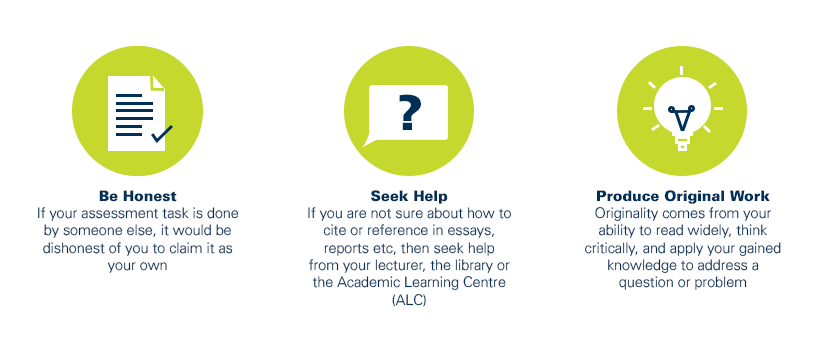
As a CQUniversity student you are expected to act honestly in all aspects of your academic work.
Any assessable work undertaken or submitted for review or assessment must be your own work. Assessable work is any type of work you do to meet the assessment requirements in the unit, including draft work submitted for review and feedback and final work to be assessed.
When you use the ideas, words or data of others in your assessment, you must thoroughly and clearly acknowledge the source of this information by using the correct referencing style for your unit. Using others’ work without proper acknowledgement may be considered a form of intellectual dishonesty.
Participating honestly, respectfully, responsibly, and fairly in your university study ensures the CQUniversity qualification you earn will be valued as a true indication of your individual academic achievement and will continue to receive the respect and recognition it deserves.
As a student, you are responsible for reading and following CQUniversity’s policies, including the Student Academic Integrity Policy and Procedure. This policy sets out CQUniversity’s expectations of you to act with integrity, examples of academic integrity breaches to avoid, the processes used to address alleged breaches of academic integrity, and potential penalties.
What is a breach of academic integrity?
A breach of academic integrity includes but is not limited to plagiarism, self-plagiarism, collusion, cheating, contract cheating, and academic misconduct. The Student Academic Integrity Policy and Procedure defines what these terms mean and gives examples.
Why is academic integrity important?
A breach of academic integrity may result in one or more penalties, including suspension or even expulsion from the University. It can also have negative implications for student visas and future enrolment at CQUniversity or elsewhere. Students who engage in contract cheating also risk being blackmailed by contract cheating services.
Where can I get assistance?
For academic advice and guidance, the Academic Learning Centre (ALC) can support you in becoming confident in completing assessments with integrity and of high standard.
What can you do to act with integrity?