Overview
You will develop an evidence-based and patient-centred approach to physiotherapy management of the complex adult and paediatric patient across a range of clinical areas. Topics may include: orthopaedics, amputees, mental health, oncology, men's and women's health, burns and plastics, transplantation and palliative care. Your focus will be on establishing the connections between physiological capacity for improvement and symptomology, while considering all relevant domains of the International Classification of Functioning, Disability, and Health (ICF) framework.
Details
Pre-requisites or Co-requisites
To enrol in this unit you must be enrolled in the CB85 Course and meet the following pre-requisites: PSIO12002 - Cardiorespiratory Physiotherapy PSIO12005 - Musculoskeletal Physiotherapy 2 MPAT12001 - Medical Pathophysiology PSIO12004 - Neurological Physiotherapy 1
Important note: Students enrolled in a subsequent unit who failed their pre-requisite unit, should drop the subsequent unit before the census date or within 10 working days of Fail grade notification. Students who do not drop the unit in this timeframe cannot later drop the unit without academic and financial liability. See details in the Assessment Policy and Procedure (Higher Education Coursework).
Offerings For Term 1 - 2026
Attendance Requirements
All on-campus students are expected to attend scheduled classes - in some units, these classes are identified as a mandatory (pass/fail) component and attendance is compulsory. International students, on a student visa, must maintain a full time study load and meet both attendance and academic progress requirements in each study period (satisfactory attendance for International students is defined as maintaining at least an 80% attendance record).
Recommended Student Time Commitment
Each 6-credit Undergraduate unit at CQUniversity requires an overall time commitment of an average of 12.5 hours of study per week, making a total of 150 hours for the unit.
Class Timetable
Assessment Overview
Assessment Grading
This is a graded unit: your overall grade will be calculated from the marks or grades for each assessment task, based on the relative weightings shown in the table above. You must obtain an overall mark for the unit of at least 50%, or an overall grade of 'pass' in order to pass the unit. If any 'pass/fail' tasks are shown in the table above they must also be completed successfully ('pass' grade). You must also meet any minimum mark requirements specified for a particular assessment task, as detailed in the 'assessment task' section (note that in some instances, the minimum mark for a task may be greater than 50%). Consult the University's Grades and Results Policy for more details of interim results and final grades.
All University policies are available on the CQUniversity Policy site.
You may wish to view these policies:
- Grades and Results Policy
- Assessment Policy and Procedure (Higher Education Coursework)
- Review of Grade Procedure
- Student Academic Integrity Policy and Procedure
- Academic Progression Policy and Procedure
- Student Refund and Credit Balance Policy and Procedure
- Complaints Policy and Procedure
- Information and Communications Technology Acceptable Use Policy and Procedure
This list is not an exhaustive list of all University policies. The full list of University policies are available on the CQUniversity Policy site.
Feedback, Recommendations and Responses
Every unit is reviewed for enhancement each year. At the most recent review, the following staff and student feedback items were identified and recommendations were made.
Feedback from Student Feedback
Students felt that some topics that were assessed in in-class tests were not consistent with what was taught or outlined would be included.
It is recommended that the teaching team review provided content, pre-readings, expectations, assessment guide and lectures to ensure that all content assessed is clearly outlined to students.
Feedback from Teaching team reflection and Student Feedback
Equipment and resources sourced for teaching of practical skills in this class are fantastic and up-to-date with current clinical practice.
It is recommended that the unit continues to maintain the currency of equipment and resources.
- Apply and demonstrate knowledge of pathological processes, symptomology, medical and pharmacological management, clinical course and prognosis for complex clinical conditions and pathologies
- Develop, apply, demonstrate and evaluate an evidence-based assessment and treatment for clients with complex clinical conditions and pathologies across all domains of the International Classification of Functioning, Disability, and Health (ICF) framework
- Design and demonstrate a safe rehabilitation program for a specific complex clinical scenario that applies a variety of exercise techniques with appropriate progression and modification for that scenario
- Relate the role of physiotherapy to the management of complex conditions and pathologies using both an inter-professional and client-centred approach
- Demonstrate acceptable professional and ethical behaviours consistent with a physiotherapy practitioner.
Alignment of Assessment Tasks to Learning Outcomes
| Assessment Tasks | Learning Outcomes | ||||
|---|---|---|---|---|---|
| 1 | 2 | 3 | 4 | 5 | |
| 1 - In-class Test(s) - 20% | |||||
| 2 - In-class Test(s) - 30% | |||||
| 3 - Objective Structured Clinical Examinations (OSCEs) - 50% | |||||
| 4 - On-campus Activity - 0% | |||||
Alignment of Graduate Attributes to Learning Outcomes
| Graduate Attributes | Learning Outcomes | ||||
|---|---|---|---|---|---|
| 1 | 2 | 3 | 4 | 5 | |
| 1 - Communication | |||||
| 2 - Problem Solving | |||||
| 3 - Critical Thinking | |||||
| 4 - Information Literacy | |||||
| 5 - Team Work | |||||
| 6 - Information Technology Competence | |||||
| 7 - Cross Cultural Competence | |||||
| 8 - Ethical practice | |||||
| 9 - Social Innovation | |||||
| 10 - First Nations Knowledges | |||||
| 11 - Aboriginal and Torres Strait Islander Cultures | |||||
Textbooks
There are no required textbooks.
IT Resources
- CQUniversity Student Email
- Internet
- Unit Website (Moodle)
All submissions for this unit must use the referencing style: American Psychological Association 7th Edition (APA 7th edition)
For further information, see the Assessment Tasks.
t.palmer@cqu.edu.au
c.stubbs@cqu.edu.au
Week 1
Begin Date: 09 Mar 2026Module/Topic
Session A
- Introduction to Orthopaedic Imaging
Session B
- Orthopaedic Fracture and Dislocation Classification
Chapter
Refer to the Unit Moodle site and Unit Clinical Practical Skills Workbook for prescribed readings and resources.
Events and Submissions/Topic
Week 2
Begin Date: 16 Mar 2026Module/Topic
Session A
- Pre- and Post-surgical Assessment (recap) & Patient Prioritisation and Triage
Session B
- Orthopaedics: Management of the Lower Limb
Chapter
Refer to the Unit Moodle site and Unit Clinical Practical Skills Workbook for prescribed readings and resources.
Events and Submissions/Topic
E-learning module: Clinical Skills Development Service
- Orthopaedic Physiotherapy Course
Week 3
Begin Date: 23 Mar 2026Module/Topic
Session A
- Orthopaedics: Management of the Spine
Session B
- Orthopaedics: Management of the Upper Limb
Chapter
Refer to the Unit Moodle site and Unit Clinical Practical Skills Workbook for prescribed readings and resources.
Events and Submissions/Topic
Week 4
Begin Date: 30 Mar 2026Module/Topic
Session A
- Management of Amputations
Session B
- Mental Health (Guest Lecturer)
Chapter
Refer to the Unit Moodle site and Unit Clinical Practical Skills Workbook for prescribed readings and resources.
Events and Submissions/Topic
Week 5
Begin Date: 06 Apr 2026Module/Topic
Session A
- Gender Health 1 (Guest Lecturer)
Session B
- Gender Health 2 (Guest Lecturer)
Chapter
Refer to the Unit Moodle site and Unit Clinical Practical Skills Workbook for prescribed readings and resources.
Events and Submissions/Topic
Hurdle 2: Group submissions of Palliative Care Curriculum for Undergraduates Workbooks of Core Modules or Focus Topics due.
Week 6
Begin Date: 13 Apr 2026Module/Topic
Session A
- Mid-term in class test
Session B
- No session
Chapter
Refer to the Unit Moodle site and Unit Clinical Practical Skills Workbook for prescribed readings and resources.
Events and Submissions/Topic
Assessment 1 - Mid-term In-class Test (20%)
Wednesday 15th April 0800-10.30am
Mid-term In-class Test Due: Week 6 Wednesday (15 Apr 2026) 8:00 am AEST
Vacation Week
Begin Date: 20 Apr 2026Module/Topic
Chapter
Events and Submissions/Topic
This is a great time to catch up on all your study and complete the e-Learning modules and prepare the group presentation work for the Core Module or Focus Module on the Palliative Care Curriculum (Hurdle 2).
Week 7
Begin Date: 27 Apr 2026Module/Topic
Session A
- Management of Acute Burns (Guest Lecturer)
Session B
- Management of Chronic Burns (Guest Lecturer)
Chapter
Refer to the Unit Moodle site and Unit Clinical Practical Skills Workbook for prescribed readings and resources.
Events and Submissions/Topic
Week 8
Begin Date: 04 May 2026Module/Topic
Session A
- Oncology: Management of Lymphoedema and Breast Cancer (Guest Lecturer) (4-hour session)
Session B
- Oncology: Management of Lung Cancer (2-hour session)
Chapter
Refer to the Unit Moodle site and Unit Clinical Practical Skills Workbook for prescribed readings and resources.
Events and Submissions/Topic
Please note timetable change: Session A will be a 4-hour session (8am - 12pm), Session B will be a 2-hour session (1-3pm).
Week 9
Begin Date: 11 May 2026Module/Topic
Session A
- Acute Paediatrics 1 (Guest Lecturer)
Session B
- Acute Paediatrics 2 (Guest Lecturer)
Chapter
Refer to the Unit Moodle site and Unit Clinical Practical Skills Workbook for prescribed readings and resources.
Events and Submissions/Topic
E-learning module: iLearn
- Paediatric Physio Training Resource - Respiratory Anatomy & Physiology
Week 10
Begin Date: 18 May 2026Module/Topic
Session A
- Heart & Lung Transplantation
Session B
- Palliative Care & End of Life Management
Chapter
Refer to the Unit Moodle site and Unit Clinical Practical Skills Workbook for prescribed readings and resources.
Events and Submissions/Topic
Week 11
Begin Date: 25 May 2026Module/Topic
Session A
- Hurdle 2: Focus Topic Presentations
Session B
- Complex Case Scenarios and Mock OSCE
Chapter
Refer to the Unit Moodle site and Unit Clinical Practical Skills Workbook for prescribed readings and resources.
Events and Submissions/Topic
Hurdle 2 - Group Presentations of Palliative Care Curriculum for Undergraduates Core Modules or Focus Topics.
Hurdle 2 - eLearning Module certificates due in Moodle
Week 12
Begin Date: 01 Jun 2026Module/Topic
Session A
- End-Term In-class Test
Session B
- No session
Chapter
Refer to the Unit Moodle site and Unit Clinical Practical Skills Workbook for prescribed readings and resources.
Events and Submissions/Topic
Assessment 2 - End-Term In-class test (30%)
Please complete Student Unit and Teaching Evaluation (SUTE)
End-term In-class Test Due: Week 12 Wednesday (3 June 2026) 8:00 am AEST
Exam Week
Begin Date: 08 Jun 2026Module/Topic
Chapter
Events and Submissions/Topic
Assessment 3: OSCE (50%) - Please refer to timetable in the unit Moodle site.
Please complete Student Unit and Teaching Evaluation (SUTE)
OSCE (Objective Structured Clinical Examination - 50%) Due: Exam Week Monday (8 June 2026) 8:00 am AEST
Vacation/Exam Week
Begin Date: 15 Jun 2026Module/Topic
Chapter
Events and Submissions/Topic
1 In-class Test(s)
This test consists of up to 45 questions worth a total of 60 marks, and has a time limit of 90 minutes. This test is a closed book, paper-based, in-class written test that will be held on-campus (Bundaberg and Rockhampton campuses only). Access to books, notes and electronic devices are prohibited during the test. This assessment will be based on all topics covered in Weeks 1-5 and will consist of short answer, multiple selection and multiple choice type questions based on clinical case studies and x-ray images.
Weighting: This in-class test will contribute to 20% of the total unit grade.
The 72-hour grace period is not applicable for this assessment task.
Level of GenAI use allowed:
Level 1: You must not use AI at any point during the assessment. You must demonstrate your core skills and knowledge.
Week 6 Wednesday (15 Apr 2026) 8:00 am AEST
Results will be returned to students no later than two weeks after the completion of the in-class test.
Students are required to complete this in-class test on either the Bundaberg, Cairns or Rockhampton campuses to be eligible to pass the course overall.
No minimum grade is required to be achieved to be eligible to pass the unit.
Late Arrivals Policy: You should aim to arrive at least 15-minutes prior to the official assessment commencement time. In the extraordinary circumstance that you are late you will be permitted late entry to your assessment of up to 10 minutes after the official assessment commencement time. The period of lateness will be deducted from your overall assessment time. If you are denied access to the assessment due to lateness (i.e. arriving beyond the permitted late entry period), you should make an online application for deferred assessment (which may or may not be granted in line with CQU policy). If your application for deferred assessment is denied, you will receive a score of zero percent (0%) for your assessment item.
- Apply and demonstrate knowledge of pathological processes, symptomology, medical and pharmacological management, clinical course and prognosis for complex clinical conditions and pathologies
2 In-class Test(s)
This test consists of up to 60 questions worth a total 120 marks and has a time limit of 180-minutes. This test is a closed book, paper-based, in-class written test that will be held on-campus. Access to books, notes and electronic devices are prohibited during the test. The End-Term Test will examine all content covered from weeks 1 to 11, inclusive, including all lectures, practicals, e-learning modules and required readings. The test will include some, or all, of the following question types: Multiple choice, True/False, Short answer/essay and/or Case studies.
Weighting: This in-class test will contribute to 30% of the total unit grade.
The 72-hour grace period is not applicable for this assessment task.
Level of GenAI use allowed:
Level 1: You must not use AI at any point during the assessment. You must demonstrate your core skills and knowledge.
Week 12 Wednesday (3 June 2026) 8:00 am AEST
Results will be returned to students no later than two weeks after the completion of the in-class test.
Students must complete this in-class test on either the Bundaberg, Cairns or Rockhampton campuses.
Students must receive a minimum of 50% in this in-class test to be eligible to pass the course overall.
Late Arrivals: You should aim to arrive at least 15-minutes prior to the official assessment commencement time. In the extraordinary circumstance that you are late you will be permitted late entry to your assessment of up to 10 minutes after the official assessment commencement time. The period of lateness will be deducted from your overall assessment time. If you are denied access to the assessment due to lateness (i.e. arriving beyond the permitted late entry period), you should make an online application for deferred assessment (which may or may not be granted in line with CQU policy). If your application for deferred assessment is denied, you will receive a score of zero percent (0%) for your assessment item and will not be eligible for a re-sit but may be eligible for a supplementary assessment in line with CQU policy.
- Apply and demonstrate knowledge of pathological processes, symptomology, medical and pharmacological management, clinical course and prognosis for complex clinical conditions and pathologies
- Develop, apply, demonstrate and evaluate an evidence-based assessment and treatment for clients with complex clinical conditions and pathologies across all domains of the International Classification of Functioning, Disability, and Health (ICF) framework
- Design and demonstrate a safe rehabilitation program for a specific complex clinical scenario that applies a variety of exercise techniques with appropriate progression and modification for that scenario
- Relate the role of physiotherapy to the management of complex conditions and pathologies using both an inter-professional and client-centred approach
3 Objective Structured Clinical Examinations (OSCEs)
The Objective Structured Clinical Examination (OSCE) will consist of a 30-minute clinical reasoning and clinical skills assessment. This OSCE will relate to all content covered in this unit from Weeks 1-10. In Week 10 you will be issued with a written complex case study in which you will prepare your clinical evaluation and plan how you will assess and manage the patient.
The provided written complex case study will include a comprehensive history, subjective and objective assessment. The case study could relate to any condition that has been covered in Weeks 1-10.
You will develop a document limited to one (1) A4 page single sided no smaller than size 12 font typed, to help you plan your treatment strategies and to be used as a prompt during your clinical discussion. You will not be required to submit this document, nor will it be marked. This document will include the following:
- three (3) prioritised physiotherapy-led problems specific for the case study,
- two (2) physiotherapy related patient orientated meaningful short-term goals and one (1) long-term goal specific for the case study,
- outline of evidence-based treatment plan specific for the case study.
The OSCE consists of two (2) components:
Part 1: Oral Component (Clinical discussion - 15 minutes)
The clinical discussion will simulate a student-clinical educator case discussion like those that will occur on your placement. These types of clinical discussions are designed to assess your clinical reasoning and evidence-based practice, your professional communication and the safety, quality and feasibility of your approaches to client management. In the discussion you should:
· Briefly introduce the patient using the ISBAR framework (maximum 2-minutes)
· Outline and justify your proposed approaches to physiotherapy assessment and management including:
- three (3) prioritised physiotherapy led problems specific for the case study,
- two (2) physiotherapy related patient orientated short-term goals, and one (1) physiotherapy related patient orientated long term goal specific for the case study,
- outline of evidence-based treatment plan specific for the case study – the treatment plan should be clearly and logically linked with your identified physiotherapy priority areas and goals.
· Answer clinical questions and justify your clinical reasoning process, prioritisation, goal setting and management plan.
Part 2: Demonstrate Three (3) Practical Skills - (5 minutes each treatment – total 15 minutes)
You will perform three (3) practical skills that could consist of either assessment or treatments relevant to the case study, this may include:
· Practical assessment,
· Safe and appropriate patient positioning and handling,
· Application of a brace, splint or bandage/compression garment,
· Delivery of therapeutic exercise, functional retraining or manual techniques relevant to the identified problems,
· Application of monitoring, progression or modification strategies appropriate to the patient presentation.
This OSCE assesses content covered in Weeks 1–10 of the unit and places a primary emphasis on clinical reasoning as a core requirement for patient safety and placement readiness.
Students should be prepared to model for other examinees after completing their own assessment. Students from other year groups may also act as models during the assessment, as required.
This assessment requires attendance on campus for a minimum of 60 minutes (30 minutes assessment and 30 minutes modelling).
Case studies will be released in Week 10. With the OSCE timetable being made available from Week 7.
Further information is provided on the Moodle site to support completion of each component of this assessment item.
The 72-hour grace period is not applicable for this assessment.
Level of GenAI use allowed:
Level 3: You may use Al to assist with specific tasks such as drafting text, refining and evaluating your work. You must critically evaluate and modify any Al-generated content you use.
Exam Week Monday (8 June 2026) 8:00 am AEST
OSCE will be held over multiple days during the Term 1 University Examination Weeks.
Results will be returned to students no later than two weeks after the completion of all OSCEs.
The assessment rubric for this assessment is based on the Australian Standards for Physiotherapy, the Accreditation Standard set by the Australian Physiotherapy Council, and The Assessment of Physiotherapy Practice Instrument. These quality frameworks are mapped against the CQUniversity Graduate Attributes and are intended to give a holistic understanding of standards expected for the assessment task.
A detailed marking rubric will be available on Moodle, and will be based on the following categories:
· Clinical reasoning discussion: 70% of OSCE (70 marks)
· Practical treatment component 1: 10% of OSCE (10 marks)
· Practical treatment component 2: 10% of OSCE (10 marks)
· Practical treatment component 3: 10% of OSCE (10 marks)
· Professional Behaviour, Risk Management and Safety (PASS/FAIL)
Late Arrivals Policy: You should aim to arrive at least 15-minutes prior to the official assessment commencement time. In the extraordinary circumstance that you are late you will be permitted late entry to your assessment of up to 10 minutes after the official assessment commencement time. The period of lateness will be deducted from your overall assessment time. If you are denied access to the assessment due to lateness (i.e. arriving beyond the permitted late entry period), you should make an online application for deferred assessment (which may or may not be granted in line with CQU policy). If your application for deferred assessment is denied, you will receive a score of zero percent (0%) for your assessment item and will not be eligible for a re-sit but may be eligible for a supplementary assessment in line with CQU policy.
- Develop, apply, demonstrate and evaluate an evidence-based assessment and treatment for clients with complex clinical conditions and pathologies across all domains of the International Classification of Functioning, Disability, and Health (ICF) framework
- Design and demonstrate a safe rehabilitation program for a specific complex clinical scenario that applies a variety of exercise techniques with appropriate progression and modification for that scenario
- Relate the role of physiotherapy to the management of complex conditions and pathologies using both an inter-professional and client-centred approach
- Demonstrate acceptable professional and ethical behaviours consistent with a physiotherapy practitioner.
4 On-campus Activity
Hurdle 1
A minimum attendance of 85% to tutorial/practical sessions is recommended by the Australian Physiotherapy Council. This has been integrated as a requirement into the CB85 Physiotherapy course, therefore a minimum of 85% attendance to tutorial/practical sessions is required for a PASS grade. The monitoring of attendance will take into consideration legitimate reasons for absences, as are outlined in the Assessment Policy and Procedure When there is a genuine reason for being absent, students must inform the Unit Coordinator as soon as possible. You will be warned by the Unit Coordinator when you reach the 85% threshold.
Please note: It is mandatory that medical certificates or other supporting documentation (e.g., funeral notices) are emailed to the Unit Coordinator within 5-days of missing a session. Students who fail to meet the minimum 85% attendance requirement or do not submit documentation within the required time frame will FAIL the unit.
Prolonged absences: Students who may require prolonged absences (>3 sessions) for a medical or health-related condition (e.g., serious, or debilitating illness or injury; hospitalisation; giving or recently given birth; mental health illness or condition), will require a face-to-face discussion with the Head of Course and the Unit Coordinator to discuss the most appropriate pathway for completion of the unit.
The 72-hour grace period is not applicable for this hurdle task.
Hurdle 2a
You are required to complete an online e-learning module listed below on the Palliative Care Curriculum for Undergraduates website (https://pcc4u.org.au/). You will work in groups of 3-5 students and complete a workbook/management plan on one of the following online e-learning module (groups will be allocated a topic in class). As a group, you will complete the Workbook or Management Plan to be uploaded to Moodle by the Wednesday morning of Week 5 and then present a 10-15 minute in-class slide presentation on the topic in Week 11.
E-Learning Modules - 1 per group, total 3 per campus
Core Modules:
-
- Topic 1: Principles of palliative care
- Topic 2: Communicating with people affected by life-threatening illnesses
- Topic 3: Assessing and managing symptoms
- Topic 4: Optimising function in palliative care
Focus Topics
-
- Topic 1: Multidisciplinary care
- Topic 2: Caring for Aboriginal people affected by with life-limiting conditions
- Topic 3: Caring for children with life-limiting conditions
- Topic 4: Culture-centred care of people with life-limiting conditions
Interprofessional Simulation Case Scenario 2: Mr Alen Mills
The 72-hour grace period is not applicable for this hurdle task.
Hurdle 2b
You are individually required to complete 2 x eLearning modules through either the Central Skills Development Service (https://central.csds.qld.edu.au) or iLearn (https://ilearn.health.qld.gov.au/).
Please use the same login details you used when registered on the Cardiorespiratory Unit for the Central Skills Development Service or the one you use for the mandatory Queensland Health iLearn training. Else you will need to create a new account, then enrol in the required online course. These are free courses that you can complete in stages in your own self-directed learning time.
Certificates for these short-courses should be submitted by 8am Wednesday Week 11, 27th May 2026.
The following eLearning modules are required to be completed:
- Orthopaedic Physiotherapy Course (Central Skills Development Service)
- Paediatric Physio Training Resource - Respiratory Anatomy & Physiology (iLearn)
Level of GenAI use allowed:
Level 3: You may use Al to assist with specific tasks such as drafting text, refining and evaluating your work. You must critically evaluate and modify any Al-generated content you use.
Hurdle 2: Due date for Group Presentation
Hurdle 1: Attendance will be graded at the End of Term 1. Hurdle 2: Students will receive feedback and comments in the Week 11 presentation session.
The Hurdle Requirement is a Pass/Fail assessment task.
Policies and Procedures:
- The monitoring of attendance will take into consideration legitimate reasons for absences, as are outlined in the Assessment Policy and Procedure.
- Students will be required to complete the Supplementary Assessment within 7-14 days following Certification of Grades.
- Demonstrate acceptable professional and ethical behaviours consistent with a physiotherapy practitioner.
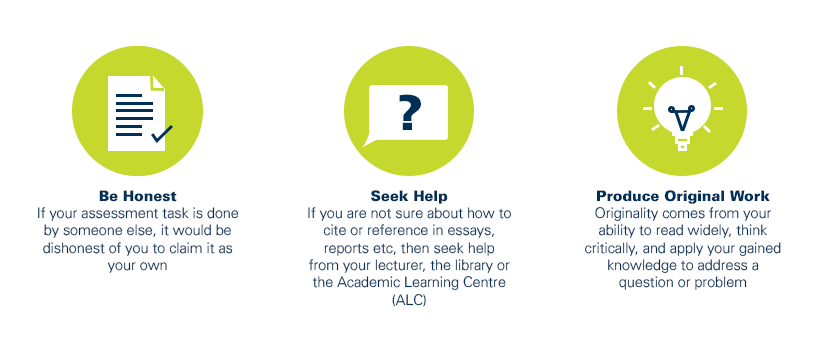
As a CQUniversity student you are expected to act honestly in all aspects of your academic work.
Any assessable work undertaken or submitted for review or assessment must be your own work. Assessable work is any type of work you do to meet the assessment requirements in the unit, including draft work submitted for review and feedback and final work to be assessed.
When you use the ideas, words or data of others in your assessment, you must thoroughly and clearly acknowledge the source of this information by using the correct referencing style for your unit. Using others’ work without proper acknowledgement may be considered a form of intellectual dishonesty.
Participating honestly, respectfully, responsibly, and fairly in your university study ensures the CQUniversity qualification you earn will be valued as a true indication of your individual academic achievement and will continue to receive the respect and recognition it deserves.
As a student, you are responsible for reading and following CQUniversity’s policies, including the Student Academic Integrity Policy and Procedure. This policy sets out CQUniversity’s expectations of you to act with integrity, examples of academic integrity breaches to avoid, the processes used to address alleged breaches of academic integrity, and potential penalties.
What is a breach of academic integrity?
A breach of academic integrity includes but is not limited to plagiarism, self-plagiarism, collusion, cheating, contract cheating, and academic misconduct. The Student Academic Integrity Policy and Procedure defines what these terms mean and gives examples.
Why is academic integrity important?
A breach of academic integrity may result in one or more penalties, including suspension or even expulsion from the University. It can also have negative implications for student visas and future enrolment at CQUniversity or elsewhere. Students who engage in contract cheating also risk being blackmailed by contract cheating services.
Where can I get assistance?
For academic advice and guidance, the Academic Learning Centre (ALC) can support you in becoming confident in completing assessments with integrity and of high standard.
What can you do to act with integrity?