Overview
Focusing on global public health concerns and current priorities will ensure you are equipped with the most current knowledge and skills needed to address the ever-evolving health challenges worldwide. The COVID-19 pandemic highlighted the interconnectedness of global health and the necessity for a coordinated international response. The ongoing issues of health inequities and the impact of globalisation on health systems are critical areas that require your attention. This unit will emphasise current public health priorities to enable you to develop innovative solutions, implement effective policies, and contribute to building resilient health systems. Additionally, addressing contemporary issues aligns with global health agendas, including the Sustainable Development Goals (SDGs), fostering a comprehensive understanding of the complex factors influencing health outcomes on a global scale. By engaging with these priorities, you will be better prepared to tackle contemporary health challenges and respond effectively to emerging and future crises, ensuring that you can make a significant impact in the global health system.
Details
Pre-requisites or Co-requisites
Students enrolled in the CC59 Bachelor of Public Health must have completed a minimum of 96 credit points.
Important note: Students enrolled in a subsequent unit who failed their pre-requisite unit, should drop the subsequent unit before the census date or within 10 working days of Fail grade notification. Students who do not drop the unit in this timeframe cannot later drop the unit without academic and financial liability. See details in the Assessment Policy and Procedure (Higher Education Coursework).
Offerings For Term 1 - 2026
Attendance Requirements
All on-campus students are expected to attend scheduled classes - in some units, these classes are identified as a mandatory (pass/fail) component and attendance is compulsory. International students, on a student visa, must maintain a full time study load and meet both attendance and academic progress requirements in each study period (satisfactory attendance for International students is defined as maintaining at least an 80% attendance record).
Recommended Student Time Commitment
Each 6-credit Postgraduate unit at CQUniversity requires an overall time commitment of an average of 12.5 hours of study per week, making a total of 150 hours for the unit.
Class Timetable
Assessment Overview
Assessment Grading
This is a graded unit: your overall grade will be calculated from the marks or grades for each assessment task, based on the relative weightings shown in the table above. You must obtain an overall mark for the unit of at least 50%, or an overall grade of 'pass' in order to pass the unit. If any 'pass/fail' tasks are shown in the table above they must also be completed successfully ('pass' grade). You must also meet any minimum mark requirements specified for a particular assessment task, as detailed in the 'assessment task' section (note that in some instances, the minimum mark for a task may be greater than 50%). Consult the University's Grades and Results Policy for more details of interim results and final grades.
All University policies are available on the CQUniversity Policy site.
You may wish to view these policies:
- Grades and Results Policy
- Assessment Policy and Procedure (Higher Education Coursework)
- Review of Grade Procedure
- Student Academic Integrity Policy and Procedure
- Academic Progression Policy and Procedure
- Student Refund and Credit Balance Policy and Procedure
- Complaints Policy and Procedure
- Information and Communications Technology Acceptable Use Policy and Procedure
This list is not an exhaustive list of all University policies. The full list of University policies are available on the CQUniversity Policy site.
Feedback, Recommendations and Responses
Every unit is reviewed for enhancement each year. At the most recent review, the following staff and student feedback items were identified and recommendations were made.
Feedback from SUTE Unit Comments Report
Assessment 2 design and marking criteria needed to be more specific to assist learning and performance.
Assessment 2 will be redesigned to support the development of students’ presentation skills. Each student will deliver a three-minute presentation outlining their proposed project ideas during the class with their peers. The assessment criteria will be further refined to align with the revised task.
Feedback from SUTE Unit Comments Report
At the time of completing this unit evaluation, assessment results were not live, so unable to give proper response for 'useful feedback on assessments'.
The sequence of assessments will be adjusted to ensure students receive timely feedback on their proposed project ideas during in-class presentations with their peers. This change is intended to support students in refining their project proposals, which represent a significant component of the unit.
Feedback from SUTE Unit Comments Report
The unit excels through its interactive approach and use of practical examples to enhance conceptual understanding.
The teaching strategy will continue to emphasize an interactive engagement approach.
- Critically assess the structure and function of global health systems, identifying key components and their roles in delivering health services
- Analyse the impact of determinants on health outcomes and explain how they align with and contribute to the Sustainable Development Goals (SDGs)
- Identify and evaluate emerging public health issues, including the Global Burden of Disease (GBD), and propose evidence-based solutions to address these challenges
- Examine the influence of political determinants on health policies, comparing differences within and between countries, and assess their impact on health outcomes
- Develop and advocate for strategies that promote health equity and uphold human rights, focusing on improving health outcomes for marginalised and vulnerable populations.
Not Applicable
Alignment of Assessment Tasks to Learning Outcomes
| Assessment Tasks | Learning Outcomes | ||||
|---|---|---|---|---|---|
| 1 | 2 | 3 | 4 | 5 | |
| 1 - Presentation - 30% | |||||
| 2 - Written Assessment - 70% | |||||
Alignment of Graduate Attributes to Learning Outcomes
| Graduate Attributes | Learning Outcomes | ||||
|---|---|---|---|---|---|
| 1 | 2 | 3 | 4 | 5 | |
| 1 - Knowledge | |||||
| 2 - Communication | |||||
| 3 - Cognitive, technical and creative skills | |||||
| 4 - Research | |||||
| 5 - Self-management | |||||
| 6 - Ethical and Professional Responsibility | |||||
| 7 - Leadership | |||||
| 8 - First Nations Knowledges | |||||
| 9 - Aboriginal and Torres Strait Islander Cultures | |||||
Textbooks
There are no required textbooks.
IT Resources
- CQUniversity Student Email
- Internet
- Unit Website (Moodle)
- Laptop/Computer
- PC, Laptop, tablet or hand-held device with a camera and audio
All submissions for this unit must use the referencing style: American Psychological Association 7th Edition (APA 7th edition)
For further information, see the Assessment Tasks.
s.kaphle@cqu.edu.au
Module 1: Global Health Systems
Begin Date: 09 Mar 2026Module/Topic
Global Health Systems
Chapter
Moodle and classroom resources
Events and Submissions/Topic
Lecture and Tutorials
Module 2: Social Determinants of Health
Begin Date: 16 Mar 2026Module/Topic
Social Determinants of Health
Chapter
Moodle and classroom resources
Events and Submissions/Topic
Lecture and Tutorials
Module 3: Global Health Issues
Begin Date: 23 Mar 2026Module/Topic
Global Health Issues
Chapter
Moodle and classroom resources
Events and Submissions/Topic
Lecture and Tutorials
Module 4: Health Policies and Practice
Begin Date: 30 Mar 2026Module/Topic
Health Policies and Practice
Chapter
Moodle and classroom resources
Events and Submissions/Topic
Lecture and Tutorials
Outline of the Proposal Due: Week 4 Monday (30 Mar 2026) 5:00 pm AEST
Module 5: Health Equity and Human Rights [Part 1]
Begin Date: 06 Apr 2026Module/Topic
Health Equity and Human Rights
Chapter
Moodle and classroom resources
Events and Submissions/Topic
Lecture and Tutorials
Assessment 1
Module 5: Health Equity and Human Rights [Part 2]
Begin Date: 13 Apr 2026Module/Topic
Health Equity and Human Rights [Part 2]
Chapter
Moodle and classroom resources
Events and Submissions/Topic
Lecture and tutorials
Vacation Week
Begin Date: 20 Apr 2026Module/Topic
Vacation
Chapter
Vacation
Events and Submissions/Topic
Vacation
Module 6: Priority Populations Health [Part 1]
Begin Date: 27 Apr 2026Module/Topic
Priority Populations Health [Part 1]
Chapter
Moodle and classroom resources
Events and Submissions/Topic
Lecture and Tutorials
Module 6: Priority Populations Health [Part 2]
Begin Date: 04 May 2026Module/Topic
Module 6: Priority Populations Health [Part 2]
Chapter
Moodle and classroom resources
Events and Submissions/Topic
Lecture and Tutorials
Module 7: Rural and Remote Health
Begin Date: 11 May 2026Module/Topic
Rural and Remote Health
Chapter
Moodle and Classroom Resources
Events and Submissions/Topic
Lecture and Tutorials
Module 8: Health System Strengthening
Begin Date: 18 May 2026Module/Topic
Health System Strengthening
Chapter
Moodle and Classroom Resources
Events and Submissions/Topic
Lecture and Tutorials
Module 9: Health System Research
Begin Date: 25 May 2026Module/Topic
Health System Research
Chapter
Moodle and Classroom Resources
Events and Submissions/Topic
Lecture and Tutorials
Assessment and Unit Evaluation
Begin Date: 01 Jun 2026Module/Topic
Assessment and Unit Evaluation
Chapter
Events and Submissions/Topic
Assessment 2: Project Proposal
Student Unit and Teaching Evaluation [SUTE]
Project Proposal Due: Week 12 Monday (1 June 2026) 5:00 pm AEST
Exam Week
Begin Date: 08 Jun 2026Module/Topic
Chapter
Events and Submissions/Topic
Vacation/Exam Week
Begin Date: 15 Jun 2026Module/Topic
Chapter
Events and Submissions/Topic
NA
1 Presentation
You are required to prepare a two-page outline of your proposed project focusing on a contemporary global public health priority.
The outline should clearly articulate:
1. Title and Topic: A concise and relevant title aligned with global health priorities.
2. Background and Significance: Brief context explaining why this issue is significant globally.
3. Aim and Objectives: Clear statement of what the project seeks to achieve followed by SMART objectives.
4. Proposed Approach: Overview of methodology or strategy you intend to use to deliver the project.
5. Alignment with SDGs: Identify three directly related Sustainable Development Goals your project addresses.
6. Expected Outcomes: Anticipated impact or contribution to address global health issue that your project focuses on this project.
Presentation and Audio Recording
1. Create a PowerPoint presentation
- Transfer the key points of your written outline into a PowerPoint slides.
- You may use visuals, diagrams or images to support your explanation.
- You can have up to three (3) slides only.
2. Record your presentation
- Record your presentation in PowerPoint
- Use the built‑in audio recording function in PowerPoint to record yourself presenting your slides.
- Your presentation must be no longer than five minutes.
2. Upload your files
- Your written plan as a Microsoft Word document.
- Your PowerPoint slides with your audio recording included.
Referencing: APA 7 Referencing Style
GenAI: Level 2: AI PLANNING
Al may be used for pre-task activities such as brainstorming, outlining and initial research. This level focuses on the effective use of Al for planning, synthesis, and ideation, but assessments should emphasise the ability to develop and refine these ideas independently.
Week 4 Monday (30 Mar 2026) 5:00 pm AEST
Submit your outline after the presentation via Moodle.
Week 6 Wednesday (15 Apr 2026)
Via Moodle
1. Clarity and relevance of the topic
Topic is highly relevant, clearly articulated, and aligns with global health priorities.
2. Background and significance
Provides strong context and justification for the project, demonstrating global significance.
3. Aims and objectives
Objectives are specific, measurable, and aligned with the project aim, following SMART principles.
4. Proposed approach
Methodology is logical, feasible, and well explained.
5. Alignment with SDG
Clear identification and integration of relevant Sustainable Development Goals.
6. Presentation skills
Presentation is well-structured, engaging, and delivered within time limits.
- Critically assess the structure and function of global health systems, identifying key components and their roles in delivering health services
- Analyse the impact of determinants on health outcomes and explain how they align with and contribute to the Sustainable Development Goals (SDGs)
- Identify and evaluate emerging public health issues, including the Global Burden of Disease (GBD), and propose evidence-based solutions to address these challenges
- Examine the influence of political determinants on health policies, comparing differences within and between countries, and assess their impact on health outcomes
- Develop and advocate for strategies that promote health equity and uphold human rights, focusing on improving health outcomes for marginalised and vulnerable populations.
2 Written Assessment
Develop a comprehensive project proposal addressing a current global public health priority.
Format: 3000 words written proposal
Your proposal should include:
1. Introduction and Background: Outline the context of the issue and discuss its global significance.
2. Literature Review: Provides a summary of existing research and gaps in the selected public health priority area.
3. Project Aim and Objectives: Develop a clear project aim with measurable objectives that are in line with SMART principles.
4. Methodology and Approach: Provide a detailed plan for implementation and include ethical considerations.
5. Expected Outcomes and Impact: Discuss the contribution to global health systems resilience establishing alignment with SDGs.
6. Feasibility and Resources: Provide a clear timeline, budget (if applicable), and resource needs.
7. References: Proper academic referencing.
GenAI: Level 2: AI PLANNING
Al may be used for pre-task activities such as brainstorming, outlining and initial research. This level focuses on the effective use of Al for planning, synthesis, and ideation, but assessments should emphasise the ability to develop and refine these ideas independently.
Referencing: APA 7 Referencing Style
Week 12 Monday (1 June 2026) 5:00 pm AEST
Submit via Moodle
Vacation/Exam Week Friday (19 June 2026)
Via Moodle
1. Introduction and Background
Provides comprehensive context and demonstrates global significance.
2. Literature Review
Critical synthesis of relevant literature with clear identification of gaps.
3. Aim and Objectives
Objectives are precise, measurable, and aligned with the project aim.
4. Methodology and Approach
Detailed, logical, and feasible approach with ethical considerations.
5. Expected Outcomes and Impact
Clearly articulated outcomes with strong alignment to SDGs.
6. Feasibility and Resources
Realistic timeline and resource allocation.
7. Academic Writing and Referencing
Clear, professional writing with accurate grammar and referencing.
- Critically assess the structure and function of global health systems, identifying key components and their roles in delivering health services
- Analyse the impact of determinants on health outcomes and explain how they align with and contribute to the Sustainable Development Goals (SDGs)
- Identify and evaluate emerging public health issues, including the Global Burden of Disease (GBD), and propose evidence-based solutions to address these challenges
- Examine the influence of political determinants on health policies, comparing differences within and between countries, and assess their impact on health outcomes
- Develop and advocate for strategies that promote health equity and uphold human rights, focusing on improving health outcomes for marginalised and vulnerable populations.
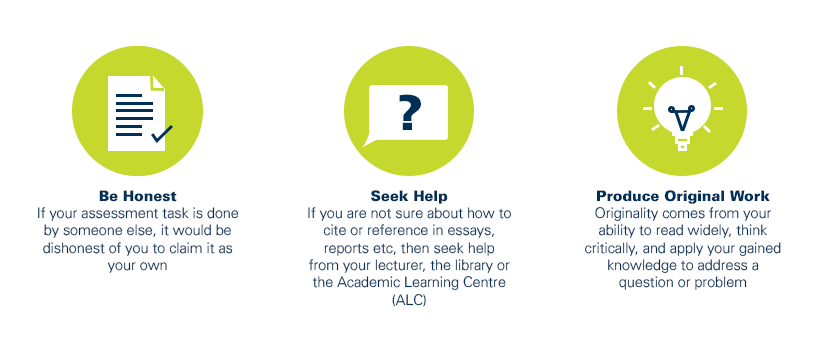
As a CQUniversity student you are expected to act honestly in all aspects of your academic work.
Any assessable work undertaken or submitted for review or assessment must be your own work. Assessable work is any type of work you do to meet the assessment requirements in the unit, including draft work submitted for review and feedback and final work to be assessed.
When you use the ideas, words or data of others in your assessment, you must thoroughly and clearly acknowledge the source of this information by using the correct referencing style for your unit. Using others’ work without proper acknowledgement may be considered a form of intellectual dishonesty.
Participating honestly, respectfully, responsibly, and fairly in your university study ensures the CQUniversity qualification you earn will be valued as a true indication of your individual academic achievement and will continue to receive the respect and recognition it deserves.
As a student, you are responsible for reading and following CQUniversity’s policies, including the Student Academic Integrity Policy and Procedure. This policy sets out CQUniversity’s expectations of you to act with integrity, examples of academic integrity breaches to avoid, the processes used to address alleged breaches of academic integrity, and potential penalties.
What is a breach of academic integrity?
A breach of academic integrity includes but is not limited to plagiarism, self-plagiarism, collusion, cheating, contract cheating, and academic misconduct. The Student Academic Integrity Policy and Procedure defines what these terms mean and gives examples.
Why is academic integrity important?
A breach of academic integrity may result in one or more penalties, including suspension or even expulsion from the University. It can also have negative implications for student visas and future enrolment at CQUniversity or elsewhere. Students who engage in contract cheating also risk being blackmailed by contract cheating services.
Where can I get assistance?
For academic advice and guidance, the Academic Learning Centre (ALC) can support you in becoming confident in completing assessments with integrity and of high standard.
What can you do to act with integrity?