Overview
In this capstone unit you will integrate your knowledge, skills and professional experience in a range of environments in preparation for employment as an oral health therapist. In addition to treating children and adolescents, this course is approved by the National Board to train and educate you to treat adults of all ages. You will be required to attend a two-week compulsory intensive / residential school prior to the commencement of clinical placement. You will have the opportunity to demonstrate safety and competence in total patient care over a range of preventive and operative clinical procedures with patients including those who are medically compromised, with special needs and the elderly. You will also consolidate your clinical judgment skills in identifying patients who require referral for complex care outside your scope of practice. You will improve your clinical reasoning skills in a supportive environment aimed to increase your confidence through reflective and self-directed learning. On successful completion of this unit you will be able to communicate information regarding oral health in oral and written forms utilising appropriate interpersonal and team communication skills, professional attitudes and ethical behaviours.
Details
Pre-requisites or Co-requisites
Pre-requisite: ORAL12004 Advanced Oral Health Practice, ORAL12005 Paediatric Dentistry for the Oral Health Therapist and ORAL12006 Oral Health Clinical Practice 2. Co-requisite: ALLH13011 Rural and Remote Practice for Health Professionals.
Important note: Students enrolled in a subsequent unit who failed their pre-requisite unit, should drop the subsequent unit before the census date or within 10 working days of Fail grade notification. Students who do not drop the unit in this timeframe cannot later drop the unit without academic and financial liability. See details in the Assessment Policy and Procedure (Higher Education Coursework).
Offerings For Term 1 - 2026
Attendance Requirements
All on-campus students are expected to attend scheduled classes - in some units, these classes are identified as a mandatory (pass/fail) component and attendance is compulsory. International students, on a student visa, must maintain a full time study load and meet both attendance and academic progress requirements in each study period (satisfactory attendance for International students is defined as maintaining at least an 80% attendance record).
Recommended Student Time Commitment
Each 18-credit Undergraduate unit at CQUniversity requires an overall time commitment of an average of 37.5 hours of study per week, making a total of 450 hours for the unit.
Class Timetable
Assessment Overview
Assessment Grading
This is a graded unit: your overall grade will be calculated from the marks or grades for each assessment task, based on the relative weightings shown in the table above. You must obtain an overall mark for the unit of at least 50%, or an overall grade of 'pass' in order to pass the unit. If any 'pass/fail' tasks are shown in the table above they must also be completed successfully ('pass' grade). You must also meet any minimum mark requirements specified for a particular assessment task, as detailed in the 'assessment task' section (note that in some instances, the minimum mark for a task may be greater than 50%). Consult the University's Grades and Results Policy for more details of interim results and final grades.
All University policies are available on the CQUniversity Policy site.
You may wish to view these policies:
- Grades and Results Policy
- Assessment Policy and Procedure (Higher Education Coursework)
- Review of Grade Procedure
- Student Academic Integrity Policy and Procedure
- Academic Progression Policy and Procedure
- Student Refund and Credit Balance Policy and Procedure
- Complaints Policy and Procedure
- Information and Communications Technology Acceptable Use Policy and Procedure
This list is not an exhaustive list of all University policies. The full list of University policies are available on the CQUniversity Policy site.
Feedback, Recommendations and Responses
Every unit is reviewed for enhancement each year. At the most recent review, the following staff and student feedback items were identified and recommendations were made.
Feedback from Self-reflection and peer discussion.
Concerns were raised about academic integrity in this unit, as most assessment is done online or through assignments, creating a high risk of GenAI use.
It is recommend to incorporate face-to-face assessment to improve academic integrity for this unit.
Feedback from SUTE comments.
Students enjoyed the online recorded lectures, weekly online yarning circles and guest lecturers.
It is recommended to continue the online recorded lectures, weekly online yarning circles and guest lecturers.
Feedback from SUTE comments.
Students would like to learn additional local anaesthetic techniques during the teaching intensive.
The intensive schedule will be reviewed to see if additional local anaesthetic techniques can be incorporated.
- Integrate and apply knowledge, skills and clinical judgement of assessment, preventive and operative procedures with child, adolescent and adult patients in a range of environments
- Provide safe and competent oral health clinical care for patients including identifying patients who require referral pathways for complex care outside your scope of practice
- Advocate for, and promote, oral health to individuals and groups across diverse community settings in a variety of formats
- Recognise and act upon the legal, ethical and safeguarding issues involving dental practitioners and patients as defined by the relevant professional regulatory bodies in Australia and overseas.
All unit profiles in the Bachelor of Oral Health are made available to the Australian Dental Council for on-going accreditation purposes.
Alignment of Assessment Tasks to Learning Outcomes
| Assessment Tasks | Learning Outcomes | |||
|---|---|---|---|---|
| 1 | 2 | 3 | 4 | |
| 1 - In-class Test(s) - 70% | ||||
| 2 - Reflective Practice Assignment - 0% | ||||
| 3 - Online Quiz(zes) - 30% | ||||
| 4 - Professional Practice Placement - 0% | ||||
Alignment of Graduate Attributes to Learning Outcomes
| Graduate Attributes | Learning Outcomes | |||
|---|---|---|---|---|
| 1 | 2 | 3 | 4 | |
| 1 - Communication | ||||
| 2 - Problem Solving | ||||
| 3 - Critical Thinking | ||||
| 4 - Information Literacy | ||||
| 5 - Team Work | ||||
| 6 - Information Technology Competence | ||||
| 7 - Cross Cultural Competence | ||||
| 8 - Ethical practice | ||||
| 9 - Social Innovation | ||||
| 10 - First Nations Knowledges | ||||
| 11 - Aboriginal and Torres Strait Islander Cultures | ||||
Textbooks
Darby & Walsh Dental Hygiene
- Edition: 6th (2024)
- Authors: Pieren, J.A. & Gadbury-Amyot, C.C.
- Elsevier
- St Louis St Louis , Missouri , USA
- ISBN: 9780323877824
Diagnosis and Treatment Planning in Dentistry
- Edition: 4th (2023)
- Authors: Stefanac, S.J. and Nesbit, S.P.
- Elsevier
- St Louis St Louis , Missouri , USA
- ISBN: 9780323809757
Foundations of Periodontics for the Dental Hygienist
- Edition: 6th (2023)
- Authors: Gehrig, J.S & Shin, D.E.
- Jones & Bartlett Learning
- Boston Boston , Massachuse , USA
- ISBN: 9781284261059
Handbook of Dental Therapeutics
- Edition: 1 (2024)
- Authors: Oral and Dental Expert Group
- Cambridge University Press
- Cambridge Cambridge , Cambridge , UK
- ISBN: 9781009057950
Modern Dental Assisting
- Edition: 13th (2021)
- Authors: Bird, D.L. and Robinson, D.S.
- Elsevier
- St Louis St Louis , Missouri , USA
- ISBN: 9780323674935
Mosby's Dental Drug Reference
- Edition: 14th (2024)
- Authors: Jeske, A.H.
- Elsevier
- St, Louis St, Louis , Missouri , USA
- ISBN: 9780443125072
Sturdevant's Art and Science of Operative Dentistry
- Edition: 8th (2025)
- Authors: Andre V. Ritter
- Elsevier
- St. Louis St. Louis , Missouri , USA
- ISBN: 9780443110337
Additional Textbook Information
eBooks of these textbooks are generally available at no cost via the CQUniversity Library.
IT Resources
- CQUniversity Student Email
- Internet
- Unit Website (Moodle)
- Webcam and headset for on-line sessions
All submissions for this unit must use the referencing styles below:
For further information, see the Assessment Tasks.
k.a.hennessy@cqu.edu.au
2 week Intensive
Begin Date: 09 Feb 2026Module/Topic
Introduction to ORAL13001
Mouthguard clinic and laboratory
Oral Health Education
Periodontal Instrumentation
Restorative Dentistry
Sutures
Tooth Whitening
Extractions
Radiography
Local Anaesthetic
Medical Emergencies in the Dental Clinic
Preparation for clinical placements
Chapter
See Moodle for links to additional resources
eReading List
Clinical Resources
Events and Submissions/Topic
Practical sessions during the intensive/residential school
Asmt 2: Weekly Personal Reflective Blog Submission
Asmt 4: Professional Practice Placement Component 1 Safety Audit Task
Asmt 1: In-Class Test 1 Mon 23 February 2026
Week 1
Begin Date: 09 Mar 2026Module/Topic
Professional Responsibilities of the OHT:
- documentation and consent
- infection control
- clinical risk assessments
Chapter
See Moodle for links to additional resources
eReading List
Clinical Resources
Events and Submissions/Topic
Work-integrated learning experiences in public, private general and specialist dental practices
Lectures and case study yarning circle
Individual learning module - Infection Control (online) - upload evidence of completion
Asmt 2: Weekly Personal Reflective Blog Submission
Asmt 3: Online Quiz Part A (Intensive - Week 1) 1am Saturday 14 March - 11.59pm Sunday 22 March 2026
Week 2
Begin Date: 16 Mar 2026Module/Topic
Restorative Dentistry
Chapter
See Moodle for links to additional resources
eReading List
Clinical Resources
Events and Submissions/Topic
Work-integrated learning experiences in public, private general and specialist dental practices
Lectures and case study yarning circle
Asmt 2: Weekly Personal Reflective Blog Submission
Week 3
Begin Date: 23 Mar 2026Module/Topic
Periodontology & Implants
Chapter
See Moodle for links to additional resources
Events and Submissions/Topic
Work-integrated learning experiences in public, private general and specialist dental practices
Lectures and case study yarning circle
Asmt 2: Weekly Personal Reflective Blog Submission
Asmt 3: Online Quiz Part B (Week 2 and 3) 1am Saturday 28 March - 11.59pm Sunday 05 April 2026
Week 4
Begin Date: 30 Mar 2026Module/Topic
Communication for behaviour change
Oral Health Education for Individuals and Groups
Brief Interventions in the Dental Clinic
Chapter
See Moodle for links to additional resources
Dental Board of Australia
Events and Submissions/Topic
Work-integrated learning experiences in public, private general and specialist dental practices
Lectures and case study yarning circle
Development of oral health education lesson plans and social media content
Individual learning modules (upload evidence of completion in Moodle)
- Motivational Interviewing (online)
- Brief Interventions eModule (online)
- Shisha eModule (online)
- Dietary diary and analysis - submit two (2) completed dietary diaries with analysis, including patient information advice
Asmt 2: Weekly Personal Reflective Blog Submission
Week 5
Begin Date: 06 Apr 2026Module/Topic
Person-Centred Care (Part 1)
- Establishing a dental home
- Strategies to address disease in Australia
- Teledentistry
- Oral Pathology
- Referrals
Chapter
See Moodle for links to additional resources
Events and Submissions/Topic
Work-integrated learning experiences in public, private general and specialist dental practices
Lectures and case study yarning circle
Asmt 2: Weekly Personal Reflective Blog Submission
Week 6
Begin Date: 13 Apr 2026Module/Topic
Contemporary orthodontics
Chapter
See Moodle for links to additional resources
Events and Submissions/Topic
Work-integrated learning experiences in public, private and specialist clinics, outreach clinics, community groups, childcare centres and schools
Lectures and case study yarning circle
Asmt 2: Weekly Personal Reflective Blog Submission
Asmt 3: Online Quiz Part C (Week 4-6) 1am Saturday 18 April - 11.59pm Sunday 26 April 2026
Break Week
Begin Date: 20 Apr 2026Module/Topic
Chapter
Events and Submissions/Topic
Week 7
Begin Date: 27 Apr 2026Module/Topic
Acute phase treatment planning and management
- Pulp and periapical disease and treatment considerations for the permanent and primary dentition
- Trauma management
Chapter
See Moodle for links to additional resources
Events and Submissions/Topic
Work-integrated learning experiences in public, private and specialist clinics, outreach clinics, community groups, childcare centres and schools
Lectures and case study yarning circle
Asmt 2: Weekly Personal Reflective Blog Submission
Week 8
Begin Date: 04 May 2026Module/Topic
Developmental Dental Defects
Chapter
See Moodle for links to additional resources
Events and Submissions/Topic
Work-integrated learning experiences in public and private general and specialist dental practice
Lectures and case study yarning circle
Individual learning modules
Asmt 2: Weekly Personal Reflective Blog Submission
Week 9
Begin Date: 11 May 2026Module/Topic
Person-Centred Care (Part 2):
- Older Australians in Residential Care
- Paediatric Clients with Special Needs
Chapter
See Moodle for links to additional resources
Events and Submissions/Topic
Work-integrated learning experiences in public and private general and specialist dental practices and aged care facilities
Lectures and case study yarning circle
Individual learning module - Dementia Training (online) - upload evidence of completion
Asmt 2: Weekly Personal Reflective Blog Submission
Week 10
Begin Date: 18 May 2026Module/Topic
Pharmacology
Chapter
See Moodle for links to additional resources
Events and Submissions/Topic
Work-integrated learning experiences in public and private general and specialist dental practices and aged care facilities
Lectures and case study yarning circle
Asmt 2: Weekly Personal Reflective Blog Submission
Week 11
Begin Date: 25 May 2026Module/Topic
Cultural Competency
Highs and lows of working remotely
Translating Services
Chapter
See Moodle for links to resources
Events and Submissions/Topic
Work-integrated learning experiences in public, private general and specialist dental practices
Lectures and case study yarning circle
Asmt 2: Weekly Personal Reflective Blog Submission
Asmt 3: Online Quiz Part D (Week 8-11) 1am Saturday 30 May - 11.59pm Sunday 07 June 2026
Week 12
Begin Date: 01 Jun 2026Module/Topic
Working in the public sector
Chapter
See Moodle for links to additional resources
Events and Submissions/Topic
Work-integrated learning experiences in public, private general and specialist dental practices
Lectures and case study yarning circle
Individual learning module - Aboriginal and Torres Strait Islander Cultural Practice eLearning Program (online)
Asmt 2: Weekly Personal Reflective Blog Submission
Exam Week
Begin Date: 08 Jun 2026Module/Topic
Chapter
Events and Submissions/Topic
Asmt 1: In-Class Test 2 Wednesday 10 June 2026
Clinical Attire in the Oral Health Clinics and Off-Campus Placements:
All students are required to wear their oral health polo or scrubs plus an outer protective garment - theatre gowns are required for this purpose and gowns will be provided at Queensland Health placements. The outer protective garment (theatre gown) must be placed in a plastic bag after the session or day and washed appropriately. All garments must be freshly laundered and ironed. The outer protective garment (theatre gown) cannot be worn in the Oral Health Prosthetic Laboratory or Simulation Laboratory. All students must wear long black pants and low-heeled closed-in shoes, their protective eyewear, have their hair tied back and wear no jewellery on their hands or arms. Facial hair must be closely trimmed and tidy. A student can be sent home if the clinical attire is not adequate.
Laboratory Attire in the Oral Health Simulation and Prosthetic Laboratories:
All students are required to wear their oral health polo or scrubs. All garments must be freshly laundered and ironed. All students must wear long black pants or scrub pants and low-heeled closed-in shoes, their protective eyewear, have their hair tied back and wear no jewellery on their hands or arms. A student can be sent home if the laboratory attire is not adequate.
Workplace Health and Safety:
Students must abide by infection control policies, guidelines and procedures at each clinical placement. All mandatory requirements for clinical practice must be met before and during the term. Failure to comply will lead to withdrawal from the clinical placements and failure in the Unit.
1 In-class Test(s)
There will be two In-Class Tests throughout the term. Each In-Class Test is worth 50% of this assessment items weight ie 35% of the total unit.
In-Class Test 1: Mon 23 February 2026
As this is a capstone unit, content assessed will include that from previous units, as well as content delivered during the Intensive.
Included in the assessment task will be a section on treatment planning, where you will be able to bring your own resources. Resources must be hardcopy, there will be no computers or digital devices allowed. This may include, but is not limited to, things like:
- templates
- risk assessment tools
- fluoride guidelines
- perio staging and grading and other diagnosis tools
- Mosby’s or your personal drug reference tool
- Therapeutic Guidelines extracts (you can print sections from the online resource)
- dental material selection
You will be given an answer booklet in which to write your responses to the questions. At the end of the assessment, your answer booklet must be returned to the assessor. Only those answers that have been written in your answer booklet will be marked. You must write in pen (black ink only).
NOTE: You are also able to bring your own noise-cancelling head/earphones if you prefer.
If you are unable to undertake the In-Class Test at the set location, time and date you will need to apply for an extension in Moodle (in the support area on the top of the page) and supply supporting documentation as per normal extension requests.
In-Class Test 2: Wednesday 10 June 2026
In this on-campus assessment, you will complete an in-class written assessment focusing on ensuring you are ready to commence clinical placements. As this is a capstone unit, content assessed will include that from previous units, as well as the Diagnosing Dental Pain content delivered during this term.
You will be given an answer booklet in which to write your responses to the questions. At the end of the assessment, your answer booklet must be returned to the assessor. Only those answers that have been written in your answer booklet will be marked. You must write in pen (black ink only).
NOTE: You are also able to bring your own noise-cancelling head/earphones if you prefer.
If you are unable to undertake the In-Class Test at the set location, time and date you will need to apply for an extension in Moodle (in the support area on the top of the page) and supply supporting documentation as per normal extension requests.
Level of GenAI use allowed:
Level 1: You must not use Al at any point during the In-Class tests. You must demonstrate your core skills and knowledge.
The 72-hour grace period does not apply to this assessment.
In-Class Test 1 9am Mon 23 February 2026; In-Class Test 2 9am Wednesday 10 June 2026
In-Class Test 1 results will be returned to students within 2 weeks. In-Class Test 2 results will returned to students with end of unit results, however feedback will be ongoing.
Critical thinking and application of learnt basic clinical concepts into real life situations.
- Integrate and apply knowledge, skills and clinical judgement of assessment, preventive and operative procedures with child, adolescent and adult patients in a range of environments
- Advocate for, and promote, oral health to individuals and groups across diverse community settings in a variety of formats
2 Reflective Practice Assignment
Self-reflection is an important practice for personal and professional development. You will be required to write daily self-reflective entries in your ePortfolio based on your work-integrated learning experiences in ORAL13001.
- Include a brief summary of procedures OR A brief summary of placement.
- Which procedures were performed well? OR Expectation of learning on the placement.
- What procedures could be improved? OR What did you learn today on placement?
- Strategies for improvement OR Strategies to enhance learning on placement.
- What did I learn today.
Additionally, you MUST present at least one mini case study at the Yarning Circle throughout the term. The case study slides and your reflection, including the summary of peer feedback, must be included in your ePortfolio and reflections.
The ePortfolio will only be visible to the unit coordinators and you as the student.
The completion of the personal reflective blog is a compulsory assessment, and each entry must be completed to a satisfactory standard. A separate reflection entry for each placement day is to be recorded. Reflections must be submitted by midnight each Sunday at the end of each week you are rostered at a work-integrated learning placement.
Please be aware that the teaching team will read your weekly reflections. This is used to triangulate data from ORAS to monitor your performance throughout the term. You will not be provided detailed feedback on your reflections as feedback is provided at the time of the student-client interaction. Additionally, reflections are very personal, and this is why they are not given a quantitative grade, nor the level of feedback that would be expected of a quantitative grade.
It is important that you use your reflections to reflect on your own learning. If you have concerns regarding the performance of another student or a supervisor, please use other forms of communication.
Level of GenAI use allowed:
Level 2: You may use Al for planning, idea development, and research. Your final submission should show how you have developed and refined these ideas.
Weekly by midnight Sunday night.
Results will be added to final assessments, however feedback will be ongoing.
The assessment criteria for the self-reflective practice.

- Provide safe and competent oral health clinical care for patients including identifying patients who require referral pathways for complex care outside your scope of practice
- Recognise and act upon the legal, ethical and safeguarding issues involving dental practitioners and patients as defined by the relevant professional regulatory bodies in Australia and overseas.
3 Online Quiz(zes)
This is a capstone unit where you have integrated your knowledge, skills, and professional experience in a range of environments in preparation for employment as an oral health therapist. The online quizzes will be a four-part assessment:
- Part A: Weeks Intensive and Week 1 Content: quiz open 1am Saturday 14 March - 11.59pm Sunday 22 March 2026
- Part B: Week 2 and 3 Content: 1am Saturday 28 March - 11.59pm Sunday 05 April 2026
- Part C: Week 4-6 Content: quiz open 1am Saturday 18 April - 11.59pm Sunday 26 April 2026
- Part D: Week 8-11 Content: quiz open 1am Saturday 30 May - 11.59pm Sunday 07 June 2026
The quizzes will consist of a combination of clinical case questions and questions on other areas related to the clinical practice and work of oral health therapists. The format may be short answers, multiple-choice, or requiring a number of sentences or a short paragraph.
You are allowed one attempt only at each summative online quiz and the quiz must be completed within the allocated time frame.
Open attempts are submitted automatically. This means that if you have technical difficulties, it will save any questions you have already answered.
No more questions can be answered once the time limit expires or when the test closes.
Answers to the online quizzes must be your own work as per CQUniversity Student Academic Integrity Policy and Procedure and specifically you should not use generative AI to answer the questions either in part or fully. Any identified cases of potential collusion will result in a breach of academic integrity case being raised.
There are a number of support and technology mechanisms of which you need to be aware.
- If you experience any technical difficulties accessing or during the quiz, please contact TASAC (Moodle assistance option) on 1300 666 620.
- Notify the unit coordinator as soon as physically possible (same day) with details of the technical issues. If you are able, take a screenshot of any error message received and include that in your email to the unit coordinator.
- If you are unable to undertake the quiz at the set time and date you will need to apply for an extension in Moodle (in the support area on the top of the page and supply supporting documentation as per normal extension requests.
After grading of each quiz, please contact the unit coordinator if you would like to arrange a 10-minute individual quiz feedback session.
Level of GenAI use allowed:
Level 1: You must not use Al at any point during the assessment. You must demonstrate your core skills and knowledge.
The 72-hour grace period does not apply to this assessment.
Four parts to be submitted throughout term as per Moodle.
The online quiz results will be available 2 weeks after the close of each quiz and the final quiz results made available on certification of grades day.
- Integrate and apply knowledge, skills and clinical judgement of assessment, preventive and operative procedures with child, adolescent and adult patients in a range of environments
- Recognise and act upon the legal, ethical and safeguarding issues involving dental practitioners and patients as defined by the relevant professional regulatory bodies in Australia and overseas.
4 Professional Practice Placement
The clinical experiences in ORAL13001 are to consolidate, apply and extend the theory learned in lectures and practical sessions during years 1, 2, and 3 of the course (CB29 - Bachelor Oral Health). Specific hours are determined by each placement site but generally, you are required to be on clinical placement from 8am to 5pm 4 days per week.
The placement site may include
- CQUniversity Oral Health Clinic
- SACCR at CQUniversity Health Clinic
- Residential Care Facilities
- Oral Health Education at childcare centres, schools, community health centres and community groups
- Private Hospitals
- Private Dental Clinics
- Specialist Dental Clinics
- Public Health Districts
A list of contacts and placement site addresses is at the bottom of the Google Drive student roster (link on unit Moodle page).
Completed via the Online Real-time Assessment System.
Results will be returned with end of term grades, however feedback will be ongoing.
There are a number of components in the Professional Practice Placement. Each component must be passed in order to pass the assessment.
Component 1 Safety Audit Task:
This task is scheduled to be completed by the end of the compulsory 2-week intensive prior to the commencement of Term 1. This task is to ensure public safety in clinical procedures prior to re-entering the clinical environment in the third year. Over eight sessions, students are to complete a series of tasks:
- Rubber Dam
- Fissure Sealants
- Class I, II, III and V cavity preparation and adhesive restorations in primary and permanent teeth
- Amalgam Restorations
- Deciduous tooth extraction
- Pulpotomy
- Stainless Steel Crowns
- Hygiene Instrumentation
- Radiation Safety (RSPP) obligations and technique revision
Students are to get photos taken after cavity preparation, prior to restoration placement (ensure students name is on a piece of paper in the image). Tasks are graded against a criterion-referenced rubric. Students must achieve a satisfactory score in all criteria to pass the safety audit.
Re-attempt:
Re-attempt is where you are given a second opportunity to demonstrate your achievement of one or more of the unit’s learning outcomes before you can progress to new learning or participate in subsequent learning activities.
You may be given the opportunity to re-attempt the safety audit under the following conditions:
A maximum of two cavity preparations and/or restorations are unsatisfactory
Note that no re-attempt is possible for the hygiene component, as it is expected that you maintain your debridement skills at home over Term 3 when you transition from second to third year
Note that only one opportunity to do a re-attempt will be given
If you do not pass the safety audit, you will be unable to continue clinical practice in ORAL13001.
Component 2 Clinical Performance:
A criterion-referenced analytical assessment rubric for evaluation of student performance of procedures is provided in the Online Real-time Assessment System (ORAS). ORAS records all work-integrated learning experiences, including a number of assessed student-client interactions and performance of procedures. Placement supervisors are required to complete an entry into ORAS for each student-client interaction assessed.
Each student-client interaction is graded on a rubric, which will reflect a grade of Not Yet Competent (0), Approaching Competent (1), Competent (2), and Highly Competent (3) for each procedure part (see example below). An average grade is given at the end of each student-client interaction assessment for all procedures completed.

In each student-client interaction assessment, there are also Critical Competencies. A Not Yet Competent (NYC) in one or more of the Critical Competencies results in a mark of 0 overall for that student-client interaction.

The data is collated over the term to monitor performance and as a “log” of the procedures and student-client assessments completed by the student. The unit teaching team will assess the data aggregated in ORAS over the period of the term to form a longitudinal comprehensive picture of the achievement and development of competence by the student.
In order to achieve a grade of pass in this component, you are required to:
- Achieve a minimum score of Competent (2) in no less than 90% of the total number of student-client interaction assessments.
- Achieve an average minimum score of Competent (2) in each procedural category. Procedure categories are examinations, hygiene, and restorative procedures.
Procedure relating to ORAS omissions or errors:
Students are responsible for checking ORAS daily. If there are any errors or omissions, they should contact the clinical assessor within 2 working days. If the clinical assessor does not resolve the issue within a further 2 working days, the student should contact the unit coordinator.
To maintain academic integrity, modifications or additions after more than 5 working days will not be considered.
Re-attempt:
Re-attempt is where you are given a second opportunity to demonstrate your achievement of one or more of the unit’s learning outcomes before you can progress to new learning or participate in subsequent learning activities.
If you achieve a minimum score of Competent (2) in 87-90% of all student-client interactions, you will be offered a re-attempt:
- Five additional student-client interactions will be offered on a mutually agreeable day.
- This task is to be completed no later than one week before the release of grades.
- You must achieve an average minimum score of Competent (2) in ALL five student-client interactions.
- These additional sessions will be offered at the CQUniversity Oral Health Clinic based in Rockhampton. It is your responsibility to arrange transport and accommodation if needed to attend these additional sessions.
- Note that only one opportunity to do a re-attempt will be given.
- If you do not pass the re-attempt, you will be unable to pass ORAL13001.
- If you achieve a minimum score of Competent (2) in 90% of all student-client interactions, however, you do not achieve an average minimum score of Competent (2) in one procedural category, you will be offered a re-attempt as per the conditions above. The five additional student-client interactions will be offered in the procedural category you did not achieve.
If you achieve a minimum score of Competent (2) in 90% of all student-client interactions, however, you do not achieve an average minimum score of Competent (2) in more than one procedural category, you will NOT be offered a re-attempt.
Patient Safety
If there is a breach of patient safety, a student may be removed from patient contact and be required to undertake remediation. The student must then pass a safety audit prior to re-entering the clinical environment.
If you do not pass the safety audit, you will be unable to return to operative clinical practice. Therefore, you will not be able to meet the learning outcomes for ORAL13001 and will receive a failing grade for the unit. There is no opportunity for a re-attempt. This will mean you will need to reattempt the unit at the next offering and that your graduation will be delayed.
Component 3 Attendance:
Full attendance at the 2 week intensive sessions, held prior to university official commencement is compulsory. If attendance requirements for the compulsory 2 week intensive are not met, you will be unable to proceed into term 1 clinical placement.
Attendance at clinical placements is compulsory. You are required to attend a minimum of 95% of rostered clinical placement days. This allows you approximately 2-3 days of absence without penalty. Absences are required to be supported with a medical certificate or negotiated with the Unit Coordinator/s in advance. Absences are to be made up at operational convenience.
A pass for satisfactory attendance is defined as maintaining and fulfilling the 95% clinical placement attendance for the days rostered during the term. Not meeting attendance requirements may result in a placement outstanding until the next available unit offering, which may delay your progress through the course and graduation.
Who to contact if you are sick
If you require an extension for this assessment, please refer to the Assessment Policy and Procedure (Higher Education Coursework)
Level of GenAI use allowed: N/A
The 72-hour grace period does not apply to this assessment.
- Provide safe and competent oral health clinical care for patients including identifying patients who require referral pathways for complex care outside your scope of practice
- Advocate for, and promote, oral health to individuals and groups across diverse community settings in a variety of formats
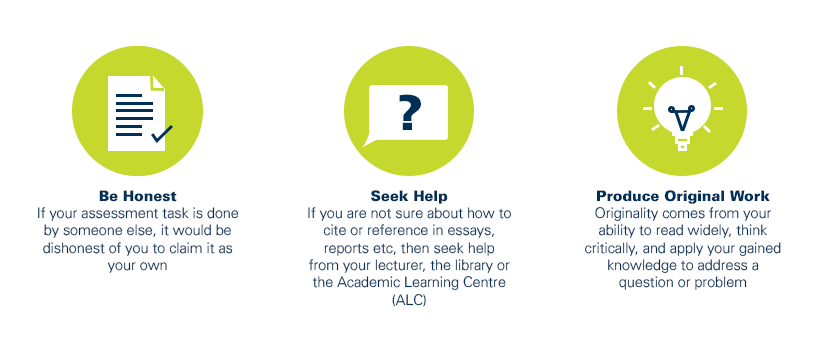
As a CQUniversity student you are expected to act honestly in all aspects of your academic work.
Any assessable work undertaken or submitted for review or assessment must be your own work. Assessable work is any type of work you do to meet the assessment requirements in the unit, including draft work submitted for review and feedback and final work to be assessed.
When you use the ideas, words or data of others in your assessment, you must thoroughly and clearly acknowledge the source of this information by using the correct referencing style for your unit. Using others’ work without proper acknowledgement may be considered a form of intellectual dishonesty.
Participating honestly, respectfully, responsibly, and fairly in your university study ensures the CQUniversity qualification you earn will be valued as a true indication of your individual academic achievement and will continue to receive the respect and recognition it deserves.
As a student, you are responsible for reading and following CQUniversity’s policies, including the Student Academic Integrity Policy and Procedure. This policy sets out CQUniversity’s expectations of you to act with integrity, examples of academic integrity breaches to avoid, the processes used to address alleged breaches of academic integrity, and potential penalties.
What is a breach of academic integrity?
A breach of academic integrity includes but is not limited to plagiarism, self-plagiarism, collusion, cheating, contract cheating, and academic misconduct. The Student Academic Integrity Policy and Procedure defines what these terms mean and gives examples.
Why is academic integrity important?
A breach of academic integrity may result in one or more penalties, including suspension or even expulsion from the University. It can also have negative implications for student visas and future enrolment at CQUniversity or elsewhere. Students who engage in contract cheating also risk being blackmailed by contract cheating services.
Where can I get assistance?
For academic advice and guidance, the Academic Learning Centre (ALC) can support you in becoming confident in completing assessments with integrity and of high standard.
What can you do to act with integrity?