Overview
In this unit, you will study current approaches for the prevention, treatment and management of dental diseases such as dental caries (including root caries), periodontal diseases and non carious tooth structure loss. By recording and considering the patient’s medical, dental and social history you will be able to diagnose dental diseases and develop an appropriate treatment plan. You will use your clinical judgment skills with a wide range of patients, including children and adults, medically compromised patients, people with special needs and the elderly.
Details
Pre-requisites or Co-requisites
Prerequisites: ORAL11003 Introduction to Oral Disease ORAL11005 Oral Anatomy 2; AND ORAL11006 Introduction to Oral Health Practice; AND Co-requisites: ORAL12002 Oral Health Pre Clinical Practice 1; AND ORAL12003 Oral Health Clinical Practice 1; AND ALLH12006 Evidence Based Practice for Health Professionals BMSC11001 Human Anatomy and Physiology 2
Important note: Students enrolled in a subsequent unit who failed their pre-requisite unit, should drop the subsequent unit before the census date or within 10 working days of Fail grade notification. Students who do not drop the unit in this timeframe cannot later drop the unit without academic and financial liability. See details in the Assessment Policy and Procedure (Higher Education Coursework).
Offerings For Term 1 - 2026
Attendance Requirements
All on-campus students are expected to attend scheduled classes - in some units, these classes are identified as a mandatory (pass/fail) component and attendance is compulsory. International students, on a student visa, must maintain a full time study load and meet both attendance and academic progress requirements in each study period (satisfactory attendance for International students is defined as maintaining at least an 80% attendance record).
Recommended Student Time Commitment
Each 6-credit Undergraduate unit at CQUniversity requires an overall time commitment of an average of 12.5 hours of study per week, making a total of 150 hours for the unit.
Class Timetable
Assessment Overview
Assessment Grading
This is a graded unit: your overall grade will be calculated from the marks or grades for each assessment task, based on the relative weightings shown in the table above. You must obtain an overall mark for the unit of at least 50%, or an overall grade of 'pass' in order to pass the unit. If any 'pass/fail' tasks are shown in the table above they must also be completed successfully ('pass' grade). You must also meet any minimum mark requirements specified for a particular assessment task, as detailed in the 'assessment task' section (note that in some instances, the minimum mark for a task may be greater than 50%). Consult the University's Grades and Results Policy for more details of interim results and final grades.
All University policies are available on the CQUniversity Policy site.
You may wish to view these policies:
- Grades and Results Policy
- Assessment Policy and Procedure (Higher Education Coursework)
- Review of Grade Procedure
- Student Academic Integrity Policy and Procedure
- Academic Progression Policy and Procedure
- Student Refund and Credit Balance Policy and Procedure
- Complaints Policy and Procedure
- Information and Communications Technology Acceptable Use Policy and Procedure
This list is not an exhaustive list of all University policies. The full list of University policies are available on the CQUniversity Policy site.
Feedback, Recommendations and Responses
Every unit is reviewed for enhancement each year. At the most recent review, the following staff and student feedback items were identified and recommendations were made.
Feedback from SUTE and In-class feedback
Students felt overwhelmed by the volume of readings and suggested a clearer weekly breakdown with prioritised content
It is recommended to review the volume of weekly content.
Feedback from SUTE
The informal group assessment 'Question and Answer' session was a positive and engaging experience
It is recommended to continue using the current format of the 'Question and Answer' session to support group assessment learning.
- Explain the processes of assessment, prevention and management of dental diseases, including non-carious tooth structure loss, dental caries (including root caries), and periodontal diseases on patients of all ages
- Develop a diagnosis and appropriate treatment plan for patients of all ages, including medical compromised and special needs patients
- Advocate for, and promote, oral health to individuals and groups across diverse community settings in a variety of formats
- Recognise and act upon the legal, ethical, and safeguarding issues involving dental practitioners and patients as defined by the relevant professional regulatory bodies in Australia and overseas.
All unit profiles in the Bachelor of Oral Health are made available to the Australian Dental Council for on-going accreditation purposes.
Alignment of Assessment Tasks to Learning Outcomes
| Assessment Tasks | Learning Outcomes | |||
|---|---|---|---|---|
| 1 | 2 | 3 | 4 | |
| 1 - Group Work - 20% | ||||
| 2 - Online Quiz(zes) - 40% | ||||
| 3 - Case Study - 40% | ||||
Alignment of Graduate Attributes to Learning Outcomes
| Graduate Attributes | Learning Outcomes | |||
|---|---|---|---|---|
| 1 | 2 | 3 | 4 | |
| 1 - Communication | ||||
| 2 - Problem Solving | ||||
| 3 - Critical Thinking | ||||
| 4 - Information Literacy | ||||
| 5 - Team Work | ||||
| 6 - Information Technology Competence | ||||
| 7 - Cross Cultural Competence | ||||
| 8 - Ethical practice | ||||
| 9 - Social Innovation | ||||
| 10 - First Nations Knowledges | ||||
| 11 - Aboriginal and Torres Strait Islander Cultures | ||||
Textbooks
Diagnosis and Treatment Planning in Dentistry
- Edition: 4th (2024)
- Authors: Stephen J. Stefanac and Samuel P. Nesbit
- Elsevier
- St Louis St Louis , Missouri , USA
- ISBN: 9780323809788
Paperback ISBN: 9780323809757
eBook ISBN: 9780323809788- Binding: eBook
Foundations of Periodontics for the Dental Hygienist
- Edition: 6th (2024)
- Authors: Gehrig, J.S and Shin, D.E.
- Lippincott Williams & Wilkins
- Philadelphia Philadelphia , Pennsylvania , USA
- ISBN: 9781284291520
Print ISBN 9781284261059, 1284261050
eText ISBN 9781284291520, 1284291529- Binding: eBook
Handbook of Dental Therapeutics
- 1st Edition (2024)
- Authors: Teoh, L., Moses, G., & McCullough, M.
- Cambridge University Press
- ISBN: ISBN-13 : 978-1009060059
IT Resources
- CQUniversity Student Email
- Internet
- Unit Website (Moodle)
- Webcam and headset for on-line sessions
All submissions for this unit must use the referencing styles below:
For further information, see the Assessment Tasks.
n.rayner@cqu.edu.au
Intensive (2 weeks prior to commencement of the official term)
Begin Date: 16 Feb 2026Module/Topic
Ethical and legal considerations
Patient evaluation and assessment
Chapter
See Moodle for links to additional resources
Stefanac, Stephen J. & Nesbit, Samuel P. (2024) Diagnosis and Treatment Planning in Dentistry 4th Ed., Mosby Elsevier.
- Chapter 7 - Ethical and Legal Considerations When Treatment Planning
- Chapter 1 - Patient Evaluation and Assessment
- Chapter 3 - Evidence Based Treatment Planning
Events and Submissions/Topic
Compulsory two week residential intensive (2 weeks prior to the commencement of Term 1)
Week 1
Begin Date: 09 Mar 2026Module/Topic
Detecting dental disease
- Caries management system
Chapter
See Moodle for links to additional resources
Stefanac, Stephen J. & Nesbit, Samuel P. (2024) Diagnosis and Treatment Planning in Dentistry 4th Ed., Mosby Elsevier.
- Chapter 10 - The Disease Control Phase of Treatment
Events and Submissions/Topic
Week 2
Begin Date: 16 Mar 2026Module/Topic
Detecting dental disease
- Dental disease risk assessment
Chapter
See Moodle for links to additional resources
Events and Submissions/Topic
Week 3
Begin Date: 23 Mar 2026Module/Topic
Developing a problems list and diagnosis
Common diagnoses in dentistry
Introduction to diagnostic radiography
Chapter
See Moodle for links to additional resources
Stefanac, Stephen J. & Nesbit, Samuel P. (2024) Diagnosis and Treatment Planning in Dentistry 4th Ed., Mosby Elsevier.
- Chapter 2 - Common Diagnoses in Dentistry
Events and Submissions/Topic
Week 4
Begin Date: 30 Mar 2026Module/Topic
Developing the treatment plan
Interprofessional practice
Chapter
See Moodle for links to additional resources
Stefanac, Stephen J. & Nesbit, Samuel P. (2024) Diagnosis and Treatment Planning in Dentistry 4th Ed., Mosby Elsevier.
- Chapter 5 - Developing the Treatment Plan
- Chapter 6 - Interprofessional Treatment Planning
- Chapter 8 to 12 - Phases of the Treatment Plan
Events and Submissions/Topic
Week 5
Begin Date: 06 Apr 2026Module/Topic
Disease control phase
Communication for behaviour change
Health education and health promotion
Chapter
See Moodle for links to additional resources
Stefanac, Stephen J. & Nesbit, Samuel P. (2024) Diagnosis and Treatment Planning in Dentistry 4th Ed., Mosby Elsevier.
- Chapter 19 - Patients Who Are Motivationally or Financially Challenged
Events and Submissions/Topic
Week 6
Begin Date: 13 Apr 2026Module/Topic
Treatment planning for the client experiencing substance abuse
Brief interventions in the clinical environment
Chapter
See Moodle for links to additional resources
Stefanac, Stephen J. & Nesbit, Samuel P. (2024) Diagnosis and Treatment Planning in Dentistry 4th Ed., Mosby Elsevier.
- Chapter 14 - Patients Who Are Substance Dependent
Events and Submissions/Topic
Assessment 2 - Online Quiz A.
Break Week
Begin Date: 20 Apr 2026Module/Topic
Chapter
Events and Submissions/Topic
Week 7
Begin Date: 27 Apr 2026Module/Topic
Systemic phase considerations
Chapter
See Moodle for links to additional resources
Stefanac, Stephen J. & Nesbit, Samuel P. (2024) Diagnosis and Treatment Planning in Dentistry 4th Ed., Mosby Elsevier.
- Chapter 8 - Systemic Phase of Treatment
- Chapter 13 - Patients With Special Needs
Oral and Dental Expert Group (2019) Therapeutic Guidelines: Oral and Dental Version 3. Melbourne: Therapeutic Guidelines Limited.
Events and Submissions/Topic
Week 8
Begin Date: 04 May 2026Module/Topic
Treatment planning for the geriatric client
Chapter
See Moodle for links to additional resources
Stefanac, Stephen J. & Nesbit, Samuel P. (2024) Diagnosis and Treatment Planning in Dentistry 4th Ed., Mosby Elsevier.
- Chapter 18 - Geriatric Patients
Events and Submissions/Topic
Week 9
Begin Date: 11 May 2026Module/Topic
Treatment planning for unique client populations
Clients experiencing anxiety, fear or a phobia
Clients with a disability
Clients with a psychological disorder
Chapter
See Moodle for links to additional resources
Stefanac, Stephen J. & Nesbit, Samuel P. (2024) Diagnosis and Treatment Planning in Dentistry 4th Ed., Mosby Elsevier.
- Chapter 4 - Treatment Planning for Unique Patient Populations
- Chapter 13 - Patients with Special Needs
- Chapter 15 - Patients with Anxiety, Fear, or a Phobia of Dental Care
- Chapter 16 - Patients with a Psychological Disorder
- Chapter 19 - Patients who are Motivationally Compromised or Financially Limited
Events and Submissions/Topic
Week 10
Begin Date: 18 May 2026Module/Topic
Treatment planning for the child and adolescent client
Chapter
See Moodle for links to additional resources
Stefanac, Stephen J. & Nesbit, Samuel P. (2024) Diagnosis and Treatment Planning in Dentistry 4th Ed., Mosby Elsevier.
- Chapter 17 - Adolescents Patients
Events and Submissions/Topic
Assessment 1 (Part A) due for submission
Week 11
Begin Date: 25 May 2026Module/Topic
Treatment planning for clients of all ages
Chapter
See Moodle for links to additional resources
Events and Submissions/Topic
Assessment 1 (Part B) due for submission
Assessment 1 (Part C) due for submission
Mandatory attendance at the Q&A session
Week 12
Begin Date: 01 Jun 2026Module/Topic
Revision
Chapter
Events and Submissions/Topic
Assessment 1. Online Quiz - B.
Individual Case Study Report Due: Week 12 Monday (1 June 2026) 11:45 pm AEST
Exam Week
Begin Date: 08 Jun 2026Module/Topic
Chapter
Events and Submissions/Topic
1 Group Work
PART A – Oral Health Strategy Presentation - (Group Project consists of 2 tasks)
PART A - Task 1: Topic Selection and Research (12 marks)
Objective: Explore a topic of interest and examine its impact on oral health. You will present a comprehensive oral health strategy that is tailored to a chosen population group or specific topic, including systemic phase management, prevention strategies, and treatment planning considerations.
Group Formation: You will form groups of 4-5 students and notify the unit coordinator of your group members and 3 possible topics. Your group will then schedule a time after week 2 with the unit coordinator to confirm the topic. As you complete your assessment, it is important that you understand the complexities of group work, as this will be useful for interprofessional practice throughout your career.
PART A - Task 2: Group Oral Presentation (12 marks)
Format: Create a 15-minute pre-recorded presentation (e.g., narrated PowerPoint, video, or e-poster).
Audience: Oral health professionals and peers.
Content: Present a comprehensive oral health strategy tailored to a specific population group or topic selected.
Participation: All group members must contribute verbally.
Assessment Criteria: Content, clarity, depth of research, relevance to clinical practice, visual presentation and engagement.
Submission and Due Dates: Group Presentation: One student from each group must submit an electronic copy of their group research rapid-fire presentation slides and recording (mp4 format) by Monday, Week 10 at 11:45 pm.
PART B – Clinical Application assessment - (Individual Component consists of 3 tasks)
PART B - Task 3: Individual communication and presentation skills in group oral presentation (6 marks)
Objective: Deliver and record a group oral presentation for oral health professionals and peers.
Content: You will present a comprehensive oral health strategy tailored to a selected population group or specific topic.
PART B - Task 4: Choose one of the following 2 options linked to your group topic (10 Marks)
Option 1: Oral Health Advocacy Plan
Objective: You will develop a 1–2-page written advocacy plan for promoting oral health related to your group topic in a specific community setting.
Content:
- Target Population: Define the group and setting, include relevant demographics or access issues
- Key Messages and Delivery Format: 2-3 concise messages and how they will be delivered (eg. poster, workshop, social media, radio)
- Barriers and Strategies: Identify barriers (eg. cost, language, access, health literacy) and propose practical strategies to overcomes.
- Stakeholders/Partnerships: Who you will engage
- Implementation: Brief steps
- Evaluation: 2-3 measurable indicators (eg. attendance, pre/post evaluation, referrals initiated)
- Evidence Based: Reference 2-3 sources (clinical guidelines, public health frameworks, local health data)
Option 2: Clinical Decision-Making Flowchart
Objective: You will create and explain a flowchart or decision tree outlining the clinical management pathway for a patient with the condition discussed in your group presentation.
Content:
- Flowchart/Decision Tree: Clearly show assessment steps, risk factors, treatment options, and referral pathways. Include decision points (e.g., “If high risk → refer to specialist”).
- Written Explanation (1–2 pages)
- Rationale for Each Step: Explain why each assessment, treatment, or referral decision is included.
- Evidence Base: Briefly reference clinical guidelines or research supporting the pathway.
- Risk Factor Impact: Discuss how identified risk factors influence treatment decisions.
- Referral Justification: Explain when and why referrals are necessary (e.g., specialist care, multidisciplinary team).
- Patient-Centered Considerations
- Address how cultural, social, or financial factors might affect decisions.
- Suggest strategies for patient education and informed consent at key points.
- Visual + Narrative Integration
- Flowchart should be clear and professional (digital or hand-drawn, then scanned).
- Written explanation should complement the visual, not just repeat it.
PART B - Task 5: Peer Engagement and Feedback (6 marks)
Objective: Engage with other groups’ presentations and provide constructive feedback.
Requirements: You will complete and submit a peer evaluation form for one other group. You will use the rubric template provided must be used to complete the peer evaluation to your nominated group. Note you must provide constructive written feedback. This feedback will be anonymous given back to the group. Attendance and engagement at the Q&A session is mandatory for you to pass this assessment. Questions can be submitted prior to the face-to-face session.
Submission and Due Dates: Part B must be submitted electronically via Moodle by Sunday Week 11 at 11:59pm.
PART C – Self and Peer Assessment (SPA) - (Individual Component consists of 1 task) (5 marks)
You will reflect on your own contribution and evaluate your peers and complete the Self and Peer Assessment via Moodle by Sunday, Week 11 at 11:59pm.
Use of generative AI (for example ChatGPT) for the completion of assessment tasks, is not permitted in this unit.
The 72-hour grace period does not apply to this assessment.
Week 10 and Week 11.
Results will be made available on certification of grades day.
The final grade for this assessment consists of both a group grade and an individual grade.
- Part A (Group Work): Two examiners will evaluate Part A. The grade will be the average of their marks.
- Part B (Individual Work): One examiner will mark Part B.
- Part C: Graded in the Self and Peer Assessment (SPA) on Moodle.
Assessment Criteria Headings
Part A (Group Work): 24 Marks
- Research Content
- Presentation Development
- Group Communication - Structure and Organisation
- Length of presentation
Part B (Individual Work): 22 Marks
- Individual Oral Presentation Communication Skills
- Individual Component - Content and Relevance, Critical Thinking and Written Communication
- Constructive Feedback and Engagement in Question-and-Answer Session (attendance is mandatory)
Part C (Self and Peer Assessment): 5 Marks
- Explain the processes of assessment, prevention and management of dental diseases, including non-carious tooth structure loss, dental caries (including root caries), and periodontal diseases on patients of all ages
- Advocate for, and promote, oral health to individuals and groups across diverse community settings in a variety of formats
2 Online Quiz(zes)
- Quiz A - Week 6
- Quiz B - Week 12
Your assessment is to be your own individual work and not a result of collaboration with other students. Any identified cases of potential collusion will result in a breach of academic integrity case being raised.
- You are allowed one attempt only at each summative online quiz(zes) and must be completed within the allocated time frame.
- Open attempts are submitted automatically. This means that if you have technical difficulties, it will save any questions you have already answered.
- Use of generative AI (for example ChatGPT) for the completion of assessment tasks, is not permitted in this unit.
There are a number of support and technology mechanisms of which you need to be aware.
- If you experience any technical difficulties accessing or during the in-class test, please contact TASAC (Moodle assistance option) on 1300 666 620.
- Notify the unit coordinator as soon as physically possible (same day) with details of the technical issues. If you are able, take a screenshot of any error message received and include that in your email to the unit coordinator.
- If you are unable to undertake the in-class test at the set time and date you will need to apply for an extension in Moodle (in the support area on the top of the page and supply supporting documentation as per normal extension requests.
Use of generative AI (for example ChatGPT) for the completion of assessment tasks, is not permitted in this unit.
Week 6 and Week 12. Time and date to be advised by unit coordinator.
Quiz A results will be available at the end of Week 8 and Quiz B results made available on certification of grades day.
- Explain the processes of assessment, prevention and management of dental diseases, including non-carious tooth structure loss, dental caries (including root caries), and periodontal diseases on patients of all ages
- Develop a diagnosis and appropriate treatment plan for patients of all ages, including medical compromised and special needs patients
- Advocate for, and promote, oral health to individuals and groups across diverse community settings in a variety of formats
- Recognise and act upon the legal, ethical, and safeguarding issues involving dental practitioners and patients as defined by the relevant professional regulatory bodies in Australia and overseas.
3 Case Study
You are required to complete an individual written patient case study report. You will choose a case study from those provided by the unit coordinator. The report must demonstrate your ability to critically appraise published literature and apply evidence-based knowledge to justify your clinical decisions. This includes explaining the rationale behind your treatment plan and aligning it with relevant clinical pathways, protocols, and guidelines. Your work should go beyond describing the case; it should reflect critical thinking and integration of current best practices supported by credible sources.
The report must include:
- Identification of patient case study selected.
- Identify Disease Risk Factors: Determine the factors that increase the patient’s risk of developing dental diseases.
- Formulate a Risk Assessment: Problems List, and Diagnosis/Diagnoses: Assess the patient’s risk, list the identified problems, and provide a diagnosis or multiple diagnoses.
- Develop a Treatment Plan: Create a comprehensive treatment plan that includes further investigations, prognosis (patient and tooth level), patient and clinician modifiers, treatment goals, and objectives.
- Explain the Rationale: Justify the risk assessment, prognosis, diagnosis, and treatment plan according to the treatment phases.
- Consultation and Referrals: Provide information regarding consultations with other professionals and any necessary referrals. When preparing the report the student is required to appraise published literature and apply evidence-based knowledge in terms of justifying the treatment decisions as well as relevant pathways, protocols and guidelines.
Use of generative AI (for example ChatGPT) for the completion of assessment tasks, is not permitted in this unit.
Week 12 Monday (1 June 2026) 11:45 pm AEST
Individual written feedback will be provided by the certification of grades date.
This assessment will be marked on the following criteria headings:
- Analysis - Patient history
- Analysis - Further Investigations
- Analysis - Clinical Examination Findings
- Diagnosis - Problem list, diagnosis and prognosis
- Dental Disease Risk Assessments
- Treatment Planning - Options and prognosis
- Treatment Planning - Patient-centred care
- Evidence Based Justification
- Treatment Plan - Phasing and Sequencing
- Organisation
- Referencing
- Grammar, spelling and writing mechanics
- Develop a diagnosis and appropriate treatment plan for patients of all ages, including medical compromised and special needs patients
- Recognise and act upon the legal, ethical, and safeguarding issues involving dental practitioners and patients as defined by the relevant professional regulatory bodies in Australia and overseas.
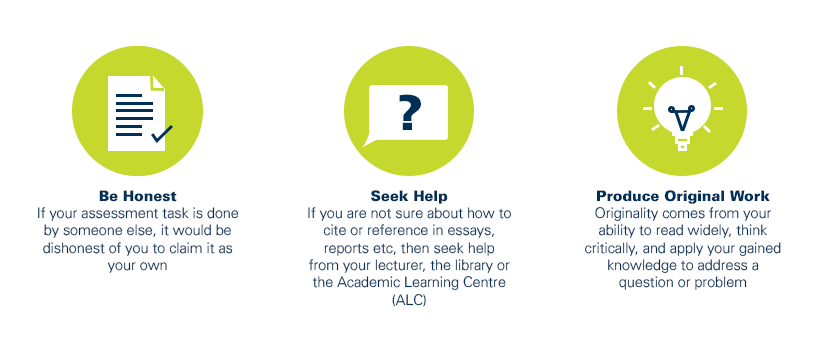
As a CQUniversity student you are expected to act honestly in all aspects of your academic work.
Any assessable work undertaken or submitted for review or assessment must be your own work. Assessable work is any type of work you do to meet the assessment requirements in the unit, including draft work submitted for review and feedback and final work to be assessed.
When you use the ideas, words or data of others in your assessment, you must thoroughly and clearly acknowledge the source of this information by using the correct referencing style for your unit. Using others’ work without proper acknowledgement may be considered a form of intellectual dishonesty.
Participating honestly, respectfully, responsibly, and fairly in your university study ensures the CQUniversity qualification you earn will be valued as a true indication of your individual academic achievement and will continue to receive the respect and recognition it deserves.
As a student, you are responsible for reading and following CQUniversity’s policies, including the Student Academic Integrity Policy and Procedure. This policy sets out CQUniversity’s expectations of you to act with integrity, examples of academic integrity breaches to avoid, the processes used to address alleged breaches of academic integrity, and potential penalties.
What is a breach of academic integrity?
A breach of academic integrity includes but is not limited to plagiarism, self-plagiarism, collusion, cheating, contract cheating, and academic misconduct. The Student Academic Integrity Policy and Procedure defines what these terms mean and gives examples.
Why is academic integrity important?
A breach of academic integrity may result in one or more penalties, including suspension or even expulsion from the University. It can also have negative implications for student visas and future enrolment at CQUniversity or elsewhere. Students who engage in contract cheating also risk being blackmailed by contract cheating services.
Where can I get assistance?
For academic advice and guidance, the Academic Learning Centre (ALC) can support you in becoming confident in completing assessments with integrity and of high standard.
What can you do to act with integrity?