Overview
In this graduate clinical unit, you will build on knowledge and attitudes using best available evidence developed during your studies to competently perform diagnostic scans in areas appropriate for attainment of graduate competency to the 'Level of Competent Sonographer', as defined by the Professional Competency Framework for Sonographers adopted by the Australasian Sonographers Association and the Australian Sonographer Accreditation Register. You will evaluate findings to formulate a differential diagnosis and initiate further investigation when appropriate. You will demonstrate reflective practice to expand your core knowledge and experience. You will also behave professionally using interpersonal skills relevant to sonographic practice in accordance with CQUniversity postgraduate attributes and Australian Sonographer Accreditation Registry accreditation requirements.
Details
Pre-requisites or Co-requisites
PrerequisiteMEDS13006 Medical Sonography Clinical Course 2 Medical Sonography Clinical Course 2 must have been successfully completed within the previous twelve months. Should this time limit have elapsed the student must successfully complete one (or more) technical skill, professional behaviour and diagnostic knowledge-based assessment (s) after a period of technical skill / knowledge revision, as determined by the discipline lead or designate.
Important note: Students enrolled in a subsequent unit who failed their pre-requisite unit, should drop the subsequent unit before the census date or within 10 working days of Fail grade notification. Students who do not drop the unit in this timeframe cannot later drop the unit without academic and financial liability. See details in the Assessment Policy and Procedure (Higher Education Coursework).
Offerings For Term 1 - 2026
Attendance Requirements
All on-campus students are expected to attend scheduled classes - in some units, these classes are identified as a mandatory (pass/fail) component and attendance is compulsory. International students, on a student visa, must maintain a full time study load and meet both attendance and academic progress requirements in each study period (satisfactory attendance for International students is defined as maintaining at least an 80% attendance record).
Recommended Student Time Commitment
Each 18-credit Postgraduate unit at CQUniversity requires an overall time commitment of an average of 37.5 hours of study per week, making a total of 450 hours for the unit.
Class Timetable
Assessment Overview
Assessment Grading
This is a pass/fail (non-graded) unit. To pass the unit, you must pass all of the individual assessment tasks shown in the table above.
All University policies are available on the CQUniversity Policy site.
You may wish to view these policies:
- Grades and Results Policy
- Assessment Policy and Procedure (Higher Education Coursework)
- Review of Grade Procedure
- Student Academic Integrity Policy and Procedure
- Academic Progression Policy and Procedure
- Student Refund and Credit Balance Policy and Procedure
- Complaints Policy and Procedure
- Information and Communications Technology Acceptable Use Policy and Procedure
This list is not an exhaustive list of all University policies. The full list of University policies are available on the CQUniversity Policy site.
Feedback, Recommendations and Responses
Every unit is reviewed for enhancement each year. At the most recent review, the following staff and student feedback items were identified and recommendations were made.
Feedback from Unit evaluation
A large amount of new learning material was introduced in 2025, but satisfaction scores for learning materials decreased, possibly due to delivery format or relevance.
Review the structure and delivery of learning materials. Consider consolidating content and shifting from written Moodle content to more interactive delivery.
Feedback from Unit evaluation
Some students may have perceived that Assessment 4 was repetitive.
Review Assessment 4 design to maintain focus on reflective practice and increase student engagement.
Feedback from Unit evaluation
Students struggled to understand the importance and relevance of reflective practice and Assessment 4.
Clarify and highlight the professional relevance of reflective practice within both assessment documentation and tutorial discussions.
- Complete individualised diagnostic ultrasound examinations in specified areas which meet the recognised standard of graduate level sonographer according to the Professional Competency Standard for Sonographers and the Australian Sonographer Accreditation Registry accreditation requirements.
- Evaluate sonographic findings and formulate appropriate sonographic protocols to solve complex diagnostic problems.
- Display professional behavior, teamwork and communication skills consistent with safe sonographic practice in accordance with the CQUniversity postgraduate attributes, the Professional Competency Framework for Sonographers, and Australian Sonographer Accreditation Registry accreditation requirements.
- Critically reflect and improve upon own professional practice and sonographer psychomotor skills
The learning outcomes for this unit relate to the requirements of general sonography courses under the Australasian Sonography Accreditation Registry (ASAR), Standards for the Accreditation of Sonographer Courses (SASC):
Foundation Units of Competence 1-5
Critical Practice Units of Competence 6, 7, 9, 10, 12 & 13
Alignment of Assessment Tasks to Learning Outcomes
| Assessment Tasks | Learning Outcomes | |||
|---|---|---|---|---|
| 1 | 2 | 3 | 4 | |
| 1 - Practical Assessment - 0% | ||||
| 2 - Professional Practice Placement - 0% | ||||
| 3 - Direct observation of procedural skills (DOPs) - 0% | ||||
| 4 - Reflective Practice Assignment - 0% | ||||
Alignment of Graduate Attributes to Learning Outcomes
| Graduate Attributes | Learning Outcomes | |||
|---|---|---|---|---|
| 1 | 2 | 3 | 4 | |
| 1 - Knowledge | ||||
| 2 - Communication | ||||
| 3 - Cognitive, technical and creative skills | ||||
| 4 - Research | ||||
| 5 - Self-management | ||||
| 6 - Ethical and Professional Responsibility | ||||
| 7 - Leadership | ||||
| 8 - First Nations Knowledges | ||||
| 9 - Aboriginal and Torres Strait Islander Cultures | ||||
Textbooks
There are no required textbooks.
IT Resources
- CQUniversity Student Email
- Internet
- Unit Website (Moodle)
All submissions for this unit must use the referencing style: Vancouver
For further information, see the Assessment Tasks.
g.zhang@cqu.edu.au
Week 1
Begin Date: 09 Feb 2026Module/Topic
Clinical Placement begins 4 weeks before Term 1 commences.
Chapter
Events and Submissions/Topic
This unit consists of 19 weeks / 760 hours of clinical placement from Monday 9th February 2026 until Friday 19th June 2026 inclusive or otherwise agreed with the unit coordinator.
Upload the Clinical Placement Checklist on Moodle by 5pm AEDT / 4PM AEST Friday Week 1 of your clinical placement.
Week 2
Begin Date: 16 Feb 2026Module/Topic
Chapter
Events and Submissions/Topic
Week 3
Begin Date: 23 Feb 2026Module/Topic
Chapter
Events and Submissions/Topic
Week 4
Begin Date: 02 Mar 2026Module/Topic
Chapter
Events and Submissions/Topic
Week 5
Begin Date: 09 Mar 2026Module/Topic
Chapter
Events and Submissions/Topic
Clinical Logbook and Attendance due 5PM AEDT / 4PM AEST Monday Week 5.
Week 6
Begin Date: 16 Mar 2026Module/Topic
Chapter
Events and Submissions/Topic
Week 7
Begin Date: 23 Mar 2026Module/Topic
Chapter
Events and Submissions/Topic
Week 8
Begin Date: 30 Mar 2026Module/Topic
Chapter
Events and Submissions/Topic
Week 9
Begin Date: 06 Apr 2026Module/Topic
Chapter
Events and Submissions/Topic
Clinical Logbook and Attendance due 5PM AEST Monday Week 9.
Week 10
Begin Date: 13 Apr 2026Module/Topic
Chapter
Events and Submissions/Topic
Mid GAPA due 5PM AEST Monday Week 10.
Week 11
Begin Date: 20 Apr 2026Module/Topic
Chapter
Events and Submissions/Topic
Week 12
Begin Date: 27 Apr 2026Module/Topic
Chapter
Events and Submissions/Topic
Week 13
Begin Date: 04 May 2026Module/Topic
Chapter
Events and Submissions/Topic
Clinical Logbook and Attendance due 5pm AEST Monday Week 13.
Week 14
Begin Date: 11 May 2026Module/Topic
Chapter
Events and Submissions/Topic
Week 15
Begin Date: 18 May 2026Module/Topic
Chapter
Events and Submissions/Topic
Week 16
Begin Date: 25 May 2026Module/Topic
Chapter
Events and Submissions/Topic
Week 17
Begin Date: 01 Jun 2026Module/Topic
Chapter
Events and Submissions/Topic
Clinical Logbook and Attendance due 5pm AEST Monday Week 17.
Week 18
Begin Date: 08 Jun 2026Module/Topic
Chapter
Events and Submissions/Topic
Week 19
Begin Date: 15 Jun 2026Module/Topic
Chapter
Events and Submissions/Topic
Clinical Logbook and Attendance, Practical Assessments and End GAPA due 5pm AEST Monday after your placement is completed.
The unit coordinator for this unit is Gina Zhang. Gina is based at the Sydney campus and can be contacted via email g.zhang@cqu.edu.au (preferred method of contact) or phone 0458 974 753.
It is important to check your student email and Moodle regularly to be aware of unit updates. Ensure that your email correspondence is via your CQU student email.
The clinical placement team are an integral part of the staffing in this course. They are Lead Clinical Academic, Julie Cahill (Brisbane), Industry Partnership Manager, Michele Whealy, and the Work Integrated Learning (WIL) officer Vanessa Henderson. The contact details of the clinical placement team are on the unit Moodle site.
The schedule for the Zoom tutorials in this unit will be available on Moodle.
There are no specified texts for this unit. However, it is advised to take your academic texts with you while on clinical placement to enable you to revise and complete tasks set by your clinical supervisor and this unit.
This unit requires you to attend a minimum of 19 weeks of clinical placement, with a minimum of 760 hours from the 9th February to the 19th June inclusive or as otherwise agreed upon with the unit coordinator. This unit and associated placement extends beyond the standard University term dates.
You will have been allocated a specific clinical facility (or facilities) to attend for the placement. You must attend for your allocated placement for the entirety of each working day, including the last day of placement, unless alternative arrangements have been agreed upon by both the unit coordinator and clinical supervisor.
There may be public holidays during your clinical placement which can be entered as 8 hours on your clinical attendance form and do not need to be 'made up'.
Any absences must be reported to the site supervisor and the unit coordinator as soon as possible. Medical certificates are required for any sick leave taken. Any lost hours due to absences (other than public holidays) must be made up. Please advise the unit coordinator if you need to extend your placement to complete unit requirements. If you are experiencing difficulty meeting unit assessment requirements you should inform the unit coordinator and request for an extension via the Moodle site.
You will require regular internet access, word processing and document scanning technology to complete assessment requirements. Clinical sites may not provide computer and internet access so it is your responsibility to provide your own.
Please note this important information from the University Assessment Policy and Procedure (Higher Education Coursework) 4.41. Students who fail a single assessment in a pass/fail unit or a pass/fail component in a graded unit will be deemed to have failed that unit unless the unit profile includes provision for students to re-attempt a failed assessment task and the student passes the re-attempted assessment.
1 Practical Assessment
This practical assessment examines your readiness to become a graduate level sonographer through the observation of your performance. You will demonstrate your ability to perform an ultrasound examination with minimal intervention, guidance or correction by the assessor. The criteria assessed are that of the core minimum requirements for an accredited entry level graduate as defined by the Professional Competency Framework for Sonographers October 2021. The Australian Sonographers Accreditation Register (ASAR) requires graduate competencies in six (6) domains of practice.
There are six (6) competency domains that are assessed:
- Vascular Arterial (Carotid, Aorta including Iliac, Renal Arteries or Leg Arteries)
- Testes
- Breast (Female)
- Musculoskeletal (Shoulder)
- Abdomen
- Obstetric (18-22 Week Morphology OR 3rd Trimester Growth) AND Gynaecology (Female Pelvis Transabdominal and Transvaginal)
You must attempt to achieve the required competency level as described in the assessment criteria for three (3) of the six (6) competency domains. You must complete the remaining three (3) competency domains in MEDS20017.
The assessment must be attempted before the end of your clinical placement block.
Note: Before you can attempt a competency, you must log a minimum of ten (10) cases for that particular study. For example, if you intend on attempting a testes competency, you must have logged a minimum of ten (10) testes studies.
Your clinical supervisor, or a delegate, will assess you using the standardised forms available in the Assessments tile on the unit Moodle site. Print these forms and read them carefully so you understand the criteria that will be used to assess your sonographic skills and relevant theoretical knowledge. You should provide printed copies to your clinical supervisor at the commencement of your placement and discuss the best time to complete this assessment. The form can also be electronically emailed to your clinical supervisor if preferred. After the assessment ask for feedback so you can focus on improving your weaker areas.
Note: Your assessor must be a sonographer with a minimum of 2 years post-graduate qualification.
If you do not meet the required competency level on your first attempt, you must seek detailed feedback from your assessor to critically reflect on and develop a strategy to improve your performance on the re-attempt. You must share your plan for improvement with your assessor and then re-attempt the assessment before the end of the clinical placement block.
If you received a fail on your first attempt, you are permitted 1 (one) re-attempt in the domain that was failed with no more than 2 (two) attempts per domain. If a re-attempt is needed, submit the assessment documents from both attempts.
Level of GenAI use allowed. Level 1: You must not use AI at any point during this assessment. You must demonstrate your core skills and knowledge.
The 72 hour grace period does not apply to this assessment.
Due by Monday 22nd June 2026 5pm AEST. If you are on a non-standard placement block, it is due on the Monday following the completion of your clinical placement. The completed assessment forms must be submitted through the unit Moodle site. It is recommended the forms are submitted as soon as you have completed the assessment.
Feedback will be provided to you by your clinical supervisor and assessments will be collated by the unit coordinator following completion of the assessment. If assessment requirements are not met the unit coordinator will follow up.
To successfully complete the competency you must demonstrate a Graduate level by achieving Level 3 on all assessment areas.
You can choose one (1) of the six (6) competency domains to be completed at an Advanced Beginner Level, allowing for circumstances where you may not have as much clinical exposure to a specific scan. If you undertake a domain at an Advanced Beginner Level, to pass this competency, you must achieve Level 3 in patient communication and Level 2 or above in all other assessment areas. If you are intending on completing the Obstetric and Gynaecology domain at Advanced Beginner Level, you can only attempt Part A: Obstetric OR Part B: Female Pelvis at Advanced Beginner Level. Both parts cannot be attempted at Advanced Beginner Level. One part of the Obstetric and Gynaecology domain must be completed at Graduate level.
You are permitted one (1) re-attempt in the competency domain that was failed with no more than two (2) attempts per domain. If you fail two (2) attempts for a competency domain, this will result in a fail for this assessment and this unit. (A fail in any assessment in MEDS20016 will result in a fail for the unit).
To pass this assessment:
- You must achieve the required competency level in three (3) of the six (6) competency domains
- The assessment forms need to be completed and signed by your assessor before you submit in the unit Moodle site.
1. Childs J, Thoirs K, Quinton A, Osborne B, Edwards C, Stoodley P, et al. Professional Competency Framework for Sonographers [Internet]. 2021 Oct [cited 2022 Nov 18]. Available from: https://doi.org/10.6084/m9.figshare.17148035.v2
- Complete individualised diagnostic ultrasound examinations in specified areas which meet the recognised standard of graduate level sonographer according to the Professional Competency Standard for Sonographers and the Australian Sonographer Accreditation Registry accreditation requirements.
- Evaluate sonographic findings and formulate appropriate sonographic protocols to solve complex diagnostic problems.
- Display professional behavior, teamwork and communication skills consistent with safe sonographic practice in accordance with the CQUniversity postgraduate attributes, the Professional Competency Framework for Sonographers, and Australian Sonographer Accreditation Registry accreditation requirements.
2 Professional Practice Placement
As a healthcare professional, your attendance is relied upon for the provision of quality patient care. Your absence impacts service delivery and safe patient care. Achieving graduate level competency as a sonographer takes time, and guidelines indicate most students will take a minimum of 2000 hours and some may take longer. This logbook serves as a record of your clinical hours and the depth and breadth of experience you gained during placement. It shows how your skills have developed across different examination types. You should regularly review this record to help set learning goals that will support your achievement of the unit outcomes.
PART A: Clinical Placement Checklist
Your clinical supervisor/s will need to complete the Clinical Placement Checklist to confirm that they understand the assessment requirements for this unit. The Clinical Placement Checklist must be completed by your clinical supervisor/s and uploaded onto Moodle within the first week of your clinical placement block.
All WIL Mandatory Checks must be completed and verified on SONIA before the start of your placement to be eligible to undertake this unit. It is your responsibility to ensure your SONIA checks remain current throughout the unit. If you are not WIL compliant or become non-compliant during this unit, you will be removed from your clinical placement until such time that you become WIL compliant. Expired checks may delay the completion of this unit, MEDS20017, your OSCE, and ultimately your graduation.
PART B: Clinical Logbook and Attendance
For this assessment, you must record all the cases and hours you have completed during placement on the Clinical Log Book.
Please read the Clinical Log Book Instructions document carefully.
The 'Verify Hours' sheet of the document must be printed, verified, and signed by your clinical site supervisor (preferred), radiologist or a sonographer delegated by your clinical supervisor on a weekly basis. You must submit these documents along with your Excel spreadsheet every 4 weeks and at the end of the placement.
Each day you are to enter the following details into the document: the date, hours worked, any leave taken and leave type. On the electronic spreadsheet you are to enter the initials of your supervising sonographer each day for your hours.
You are required to record all ultrasound examinations you have either completed, partially performed or observed. Students are required to maintain a weekly log of cases performed to ensure accurate record keeping of all case studies observed or participated in whilst on clinical placement.
Each case is categorised into one of the following domains:
· Abdomen
· Superficial Structures
· Breast (female)
· Obstetrics and Gynaecology
· Vascular
· Musculoskeletal
· Other
Record the type of examination by choosing the correct examination. Please note, obstetrics and gynaecology are ONE domain of practice but are separated entities in the logbook only for clarification of your records.
You must fill in the date performed, patient ID number, ultrasound examination, participation (observe, partial or complete), indication for examination, differential diagnosis (DDx), reflection/comment and the case supervisors' initials.
You must attend 100% of your clinical placement to meet the minimum requirements of 19 weeks of clinical placement and 760 clinical attendance hours for this unit. Please note, both conditions must be met; completing 760 hours in less than 19 weeks is not sufficient. The required hours for the clinical unit are a minimum, not a maximum. Some students may require longer clinical placement hours to reach graduate level competency.
Any absences for a part or full day of placement (other than sick leave) or variance to the allocated clinical placement block dates are not permitted unless discussed prior with and approved by your unit coordinator and subsequently by your clinical supervisor. Failure to have approval for leave may result in a fail for this assessment and this unit. (A fail in any assessment in MEDS20016 will result in a fail for the unit).
Public holidays can be logged as 8 hours worked and do not need to be made up.
If you are unable to attend your scheduled shift due to illness, you must inform your clinical supervisor and unit coordinator immediately and provide valid supporting documentation explaining the reason for your absence during your clinical placement. Absences must also be logged on SONIA.
Any absence for part or all of a working day must be made up after or during the clinical placement (e.g. Saturdays, extension of work day or week). You will need to discuss with your clinical placement site whether they can accommodate this for you. If you attend outside of your normal rostered hours you must still be under direct supervision. You must include any absences, lateness or early departures on the Clinical Log Book.
Reflection
You must also complete the reflection component of the document at the end of your clinical placement hours. In each reflection, address the following topics:
- What was your expectation before your placement?
- What was your experience during placement (regarding supervision, clinical work, overall workload – academic and clinical, etc)?
- Major achievements (clinical, academic, other) during your placement
- Goals for next clinical unit
The Clinical Placement Checklist and Clinical Log Book Excel spreadsheet are available in the Assessment tile on the unit Moodle site.
OPTIONAL: Outside Clinical Placement Hours
You can record the studies you completed and hours worked outside of clinical placement between the end of year 3 term 2 and before the commencement of year 4 term 1 in the Clinical Log Book.
These hours can only be used towards your clinical hours in exceptional circumstances where there is an unexpected shortfall of your clinical placement hours. It is at the unit coordinator's discretion whether the hours can contribute towards your assessment requirement for this unit. See Moodle unit for further details and requirements in relation to insurance and university approval.
Note: Outside of clinical placement hours must be verified (signed) by an ASAR accredited sonographer, radiologist or or sonologist with the appropriate ultrasound qualification. Details of your insurance or employment must be entered onto the Clinical Log Book if you are intending on completing outside of clinical placement hours.
Level of GenAI use allowed. Level 1: You must not use AI at any point during this assessment. You must demonstrate your core skills and knowledge.
The 72 hour grace period does not apply to this assessment.
Your completed Clinical Placement Checklist must be uploaded by 5pm AEDT / 4PM AEST Friday Week 1 of placement. Draft submission for the Clinical Log Book is due every 4 weeks on Monday 5pm (Sydney time) weeks 5, 9, 13, and 17 of placement. The final submission is due by 5pm AEST on Monday 22nd June 2026. If you are completing placement in non-standard dates, it is due by 5pm AEST on the Monday following the completion of your clinical placement. The completed assessment form must be submitted through the unit Moodle site. It is recommended you submit this as soon as you have completed your placement.
Final clinical logbook numbers and attendance hours will be collated by the unit coordinator following the completion of the assessment. If assessment conditions are not met the unit coordinator will follow up.
To pass this assessment you must achieve the following minimum requirements by the end of this clinical placement:
1. Complete all WIL Mandatory Checks prior to the start of placement and ensure WIL Compliance is maintained throughout the placement.
2. Upload your completed Clinical Placement Checklist form by 5pm AEDT (Sydney time) Friday Week 1 of placement.
3. Complete three (3) of the six (6) requirements below. The remaining three (3) domains must be completed in Clinical Unit 4. Please note, only completely performed studies are counted towards this requirement. Observe or partially completed studies will not be counted towards this requirement.
- Abdomen - 10 complete studies
- Testes - 10 complete studies
- Breast (female) - 10 complete studies
- Obstetrics (2nd trimester 18-22 week morphology or 3rd trimester growth scan) - 10 complete studies AND Gynaecology (female pelvis transabdominal and transvaginal) - 10 complete studies
- Vascular (carotid, aorta including iliac, renal arteries or leg arteries) - 10 complete studies
- Musculoskeletal (shoulder) - 10 complete studies
4. Complete a minimum of 19 weeks of placement and 760 hours of clinical placement attendance.
5. Document your clinical placement attendance and case logs accurately in your Clinical Log Book. Ensure your hours have been verified and signed every week and the entirety of the form has been completed, including the reflection, otherwise it will not be marked. Any days away from your clinical site must also be documented.
- Display professional behavior, teamwork and communication skills consistent with safe sonographic practice in accordance with the CQUniversity postgraduate attributes, the Professional Competency Framework for Sonographers, and Australian Sonographer Accreditation Registry accreditation requirements.
3 Direct observation of procedural skills (DOPs)
As a medical sonography student, you are provided access to a professional workplace to gain clinical hands-on experience. It is expected that you conduct yourself in a manner that reflects the behaviours and attributes of a healthcare professional and presents a positive image to the staff and patients at the clinical facility. As a medical sonography student in Australia you are required to abide by the Code of Conduct for Medical Sonographers. Professional behaviour, particularly in terms of teamwork and empathy, is a key factor considered by clinical sites when employing sonographers.
This assessment is based on the 'Holistic Matrix' component of the Professional Competency Framework for Sonographers that is fundamental for sonographic practice.1 You will be assessed on your ability to communicate professionally with patients and staff of diverse cultural backgrounds, demonstrate respect to all, and function as a reliable, well organised members of the healthcare team.
Your clinical supervisor, or delegate, will be observing your daily performance, and/or gathering feedback from supervising sonographers. These observations and feedback are based on your demonstrated knowledge, skills and behaviours over a period of time and are not limited to a specific scan or patient case. These observations and feedback are then used to complete the Global Assessment of Professional Attributes (GAPA) form provided.
Note: Your assessor must be a sonographer with a minimum of 2 years post-graduate qualification.
There are four (4) sections of the GAPA form:
- Section 1: Applied Knowledge
- Section 2: Psychomotor Skills (Scanning Skills) and Standard of Work
- Section 3: Professionalism.
- Section 4: Privacy and Confidentiality
In each section there are multiple observed behaviours that you are required to demonstrate throughout your placement. Your assessor will score your performance based on the frequency and extent you demonstrate each of these behaviours. Your assessor is encouraged to provide comments to expand this scoring feedback.
The assessment occurs twice during the placement.
1. The first occurs at the mid-placement point, the end of week 9. The mid-placement GAPA is formative, which provides you and your unit coordinator with formal documented feedback on your performance without affecting your final grade.
A formative GAPA may be completed by your clinical supervisor at any time, before or after the mid-placement GAPA if there are concerns with your performance. This formative GAPA will be emailed directly to the unit coordinator. If the mid-placement GAPA or any other formative GAPA is assessed as unsatisfactory, feedback will be provided to you, and you are expected to use that feedback to improve your performance.
2. The second or end-of-placement GAPA occurs towards the end of Week 19, the final week of the placement. The end-of-placement GAPA is summative and your final grade depends on how well you meet the performance targets listed in the assessment criteria.
The GAPA forms are available in the Assessment tile on the unit Moodle site. Print these forms and read them carefully so you understand the criteria that will be used to assess your performance. You should provide printed copies to your clinical supervisor at the commencement of your placement. The forms can also be electronically emailed to your clinical supervisor if preferred.
After each GAPA find an appropriate time to discuss the score and comments with your clinical supervisor. You and your clinical supervisor will both need to sign and date the forms. Your clinical supervisor will provide you a copy of the completed assessment forms. You will need to submit this through the unit Moodle site.
It is your responsibility to remind your clinical supervisor, at least a week in advance, to complete the assessment and schedule a meeting with him/her afterwards to discuss it before the assessment due date. This allows your supervisor to collect feedback and arrange for an alternate assessor if necessary.
If there are extenuating circumstances that prevent you from being assessed in time before the assessment due date, you must inform the unit coordinator in a timely manner and request an extension through the Moodle site.
It is your responsibility to ensure regular access to technology needed to submit the assessment by the due date. Failure to meet the requirements listed in the assessment criteria by the due dates, without an approved extension, will result in failing the assessment and the unit. (A fail in any assessment in MEDS20016 will result in a fail for this unit).
If at any stage during this placement you breach privacy and confidentially of stakeholders (including clinical placement sites, patients, staff, university, and fellow students) this will constitute an immediate fail for this clinical unit and will be treated as student misconduct.
Occasionally, clinical sites may report student behavior that jeopardizes the reputation of the clinical site or university, or poses risks to patient and staff safety and well-being. In such instances, the student will be promptly notified and required to cease attendance at the clinical site. They will then need to discuss their position with the unit coordinator and the Head of Course. Depending on the circumstances, this may lead to a fail grade for the assessment (and subsequently for the unit) and the initiation of Student Conduct procedures, in alignment with university policies.
Level of GenAI use allowed. Level 1: You must not use AI at any point during this assessment. You must demonstrate your core skills and knowledge.
The 72 hour grace period does not apply to this assessment.
1. Childs J, Thoirs K, Quinton A, Osborne B, Edwards C, Stoodley P, et al. Professional Competency Framework for Sonographers [Internet]. 2021 Oct [cited 2022 Nov 18]. Available from: https://doi.org/10.6084/m9.figshare.17148035.v2
Draft submission of the mid-placement GAPA is due by 5pm AEST Monday Week 10 of placement. Submission of the end-of-placement GAPA is due by 5pm AEST on the Monday following the end of your placement.
Assessments will be collated by the unit coordinator. Feedback regarding the GAPA will be provided to you by your clinical supervisor. If the assessment conditions are not met, the unit coordinator will follow up.
There are 33 behaviours you are required to demonstrate during placement and are listed in the GAPA form.
These required behaviours are grouped into four (4) sections:
- Section 1: Applied Knowledge has five (5) required behaviours
- Section 2: Psychomotor Skills (Scanning Skills) and Standard of Work has twelve (12) required behaviours
- Section 3: Professionalism has sixteen (15) required behaviours
- Section 4: Privacy and Confidentiality (1)
You have demonstrated satisfactory performance if you achieved a Level 2 or above for ALL 33 behaviours, which is either Level 2 - Advanced Beginner or Level 3 - Competent.
If you demonstrated unsatisfactory performance in the mid-placement GAPA or at any stage of clinical placement, you will be deemed as a student at risk of failing and you will given a chance to improve. Any ‘student at risk’ will be notified by the unit coordinator who will provide formative feedback. After consultation with your clinical supervisor, key performance indicators (KPIs) will be set and are required to be achieved within a given timeframe. If there is not sufficient demonstrable improvement and these KPIs are not met within the given time frame, this will result in a fail for your second GAPA and therefore a fail for this assessment and the unit. (A fail in any assessment in MEDS20016 will result in a fail for the unit).
If you demonstrate unsatisfactory performance in the end-of-placement GAPA or at any other stage of the clinical placement, this will result in a fail for this assessment and the unit. (A fail in any assessment in MEDS20016 will result in a fail for the unit).
Occasionally, a student's behaviour is beyond acceptable risk to clinical sites. The clinical supervisor may contact CQUniversity if this occurs. A GAPA may be requested at this time (which could be at any time of the placement). If the outcome of this GAPA is unsatisfactory, and/or the clinical site feedback indicates that they can no longer host a student due to the risk incurred, this will constitute a fail of the unit.
To pass this assessment:
- Both the mid-placement and end-of-placement GAPAs must be completed and submitted by the due dates.
- You must demonstrate satisfactory performance (achieve Level 2 or above in all 33 behaviours) in the end-of-placement GAPA.
- Complete individualised diagnostic ultrasound examinations in specified areas which meet the recognised standard of graduate level sonographer according to the Professional Competency Standard for Sonographers and the Australian Sonographer Accreditation Registry accreditation requirements.
- Critically reflect and improve upon own professional practice and sonographer psychomotor skills
4 Reflective Practice Assignment
Reflective practice is an essential skill for sonographers, enabling them to critically evaluate clinical experiences, identify areas for improvement, and integrate evidence-based practice into patient care. In the clinical environment, reflection is often shaped through discussion with colleagues, supervisors, and multidisciplinary team members. The aim of this assessment is promote deep reflective practice, encourage peer learning and shared clinical insight, and develop communication, teamwork and professional reasoning skills.
PART A: Group Presentation
Students will work in groups of 2-3. Groups may be self-selected or allocated by the unit coordinator. You will be required to select a date to deliver your group presentation in a Zoom session. As a group, you will present a reflective discussion based on one shared theme, drawing on individual placement experiences. You will choose to reflect on one (1) of the following themes.
Theme 1: Challenging Patient Interactions
Theme 2: Complex Ultrasound Examinations
Once your group has decided on a presentation theme, you must post it in the ‘Group Presentation Theme’ forum. In your post, include the full names of all group members followed by your chosen theme. For example:
Group Members: John Smith, Jane Doe, Joe Bloggs
Chosen Theme: First Trimester Fetal Demise
Themes are allocated on a first come, first served basis. The first group to post a theme will retain it. Any group that selects the same theme but posts later will be required to choose an alternative. To avoid duplication and ensure fair allocation, themes should be posted as early as possible and no later than one week prior to your scheduled presentation date. Failure to post within this timeframe may limit your choice of themes.
In the presentation, your group must provide a brief overview of the chosen theme and explain its relevance to final-year students and new graduates. Each student in the group is required to present a short reflection on a placement experience they found challenging. This should include a discussion of the factors that contributed to the challenge, what was managed well and what could have been improved. As a group, compare and contrast your experiences, highlighting any similarities or differences. The group discussion should incorporate reflection on clinical reasoning and decision-making, relevant emotional, ethical and/or professional considerations. The group must also share at a least one relevant journal article and discuss the key takeaway/s that either supported, challenged or extended your reflections. Explain how this evidence may influence your future clinical practice.
Prepare a PowerPoint for your group presentation. The first slide should be the title page, including the unit name, assessment title, chosen theme, name of all group members and the presentation date. Your final slide should list all the references used in your presentation. Any ultrasound images included in your presentation must be deidentified without omitting the clinical site name and date.
The time limit for your presentation is 10 minutes.
Your PowerPoint must be uploaded via the unit Moodle site 24 hours before your presentation session. Leave the PowerPoint in draft submission on Moodle if not all documents for this assessment have been uploaded yet.
PART B: Peer Engagement
Clinical reflection is strengthened through questioning, discussion and shared insight. Choose a session to attend in which you are not presenting. Ask a question for at least two different presentations during the session. The questions should aim to either clarify clinical reasoning, explore alternative approaches, link practice to evidence or prompt deeper reflection. Each question must be unique and not already asked by another student during that presentation. You will need to complete a reflective participation log, recording the questions posed, a brief summary of the discussions followed and an overall reflection on what you learned during the Zoom session and how this insight may inform your future practice.
You must upload this reflective participation log through the unit Moodle site within 48 hours after the presentation session. Leave the reflective participation log in draft submission on Moodle if not all documents for this assessment have been uploaded yet. Before you upload the reflective participation log ensure that you have adequately filled it out.
Final Submission
Once you have uploaded all the documents necessary to meet the assessment requirements, 'submit' your files.
Level of GenAI use allowed. Level 2: You may use AI for planning, idea development and research. Your final submission should show how you have developed and refined these ideas.
The 72-hour grace period does not apply to this assessment.
Your PowerPoint must be uploaded 24 hours before your scheduled presentation session. Your Reflective Participation Log must be uploaded within 48 hours after the Zoom session you attended.
Assessments will be collated by the unit coordinator. If the assessment requirements are not met, the unit coordinator will follow up.
To pass this assessment you must meet the following requirements.
- Upload your PowerPoint 24 hours before your allocated Zoom session.
- Upload your Reflective Participation Log within 48 hours after your allocated Zoom session.
- Satisfactorily demonstrate all the requirements in the marking criterion for Assessment 4.
- Critically reflect and improve upon own professional practice and sonographer psychomotor skills
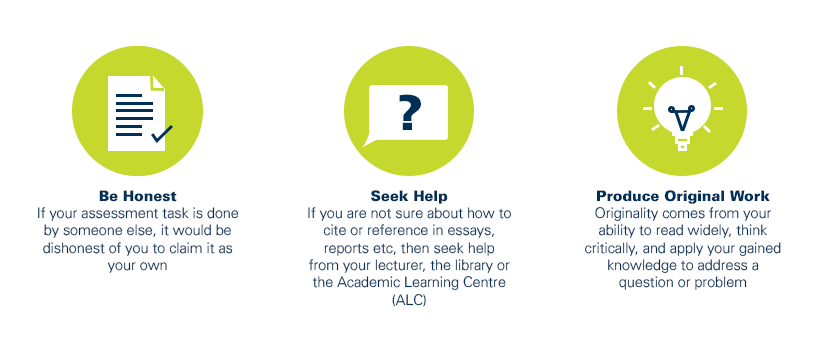
As a CQUniversity student you are expected to act honestly in all aspects of your academic work.
Any assessable work undertaken or submitted for review or assessment must be your own work. Assessable work is any type of work you do to meet the assessment requirements in the unit, including draft work submitted for review and feedback and final work to be assessed.
When you use the ideas, words or data of others in your assessment, you must thoroughly and clearly acknowledge the source of this information by using the correct referencing style for your unit. Using others’ work without proper acknowledgement may be considered a form of intellectual dishonesty.
Participating honestly, respectfully, responsibly, and fairly in your university study ensures the CQUniversity qualification you earn will be valued as a true indication of your individual academic achievement and will continue to receive the respect and recognition it deserves.
As a student, you are responsible for reading and following CQUniversity’s policies, including the Student Academic Integrity Policy and Procedure. This policy sets out CQUniversity’s expectations of you to act with integrity, examples of academic integrity breaches to avoid, the processes used to address alleged breaches of academic integrity, and potential penalties.
What is a breach of academic integrity?
A breach of academic integrity includes but is not limited to plagiarism, self-plagiarism, collusion, cheating, contract cheating, and academic misconduct. The Student Academic Integrity Policy and Procedure defines what these terms mean and gives examples.
Why is academic integrity important?
A breach of academic integrity may result in one or more penalties, including suspension or even expulsion from the University. It can also have negative implications for student visas and future enrolment at CQUniversity or elsewhere. Students who engage in contract cheating also risk being blackmailed by contract cheating services.
Where can I get assistance?
For academic advice and guidance, the Academic Learning Centre (ALC) can support you in becoming confident in completing assessments with integrity and of high standard.
What can you do to act with integrity?