Overview
Radiography and computed tomography are part of a much larger process of diagnosing and monitoring patient conditions. In this unit you will expand your theory knowledge of diagnostic tools to include other imaging modalities such as sonography and magnetic resonance imaging as well as some non-imaging diagnostic tests. You will examine a variety of diagnostic work-up algorithms using an evidence-based approach. You will discuss appropriateness criteria for various diagnostic protocols for a range of patient presentations.
Details
Pre-requisites or Co-requisites
Prerequisites: MEDI11001 Fundamentals of the Imaging Professions MEDI12011 Medical Imaging Clinical Experience 1 MEDI13002 Imaging Procedures 3 MEDI13006 Imaging Procedures 4
Important note: Students enrolled in a subsequent unit who failed their pre-requisite unit, should drop the subsequent unit before the census date or within 10 working days of Fail grade notification. Students who do not drop the unit in this timeframe cannot later drop the unit without academic and financial liability. See details in the Assessment Policy and Procedure (Higher Education Coursework).
Offerings For Term 2 - 2026
Attendance Requirements
All on-campus students are expected to attend scheduled classes - in some units, these classes are identified as a mandatory (pass/fail) component and attendance is compulsory. International students, on a student visa, must maintain a full time study load and meet both attendance and academic progress requirements in each study period (satisfactory attendance for International students is defined as maintaining at least an 80% attendance record).
Recommended Student Time Commitment
Each 6-credit Undergraduate unit at CQUniversity requires an overall time commitment of an average of 12.5 hours of study per week, making a total of 150 hours for the unit.
Class Timetable
Assessment Overview
Assessment Grading
This is a graded unit: your overall grade will be calculated from the marks or grades for each assessment task, based on the relative weightings shown in the table above. You must obtain an overall mark for the unit of at least 50%, or an overall grade of 'pass' in order to pass the unit. If any 'pass/fail' tasks are shown in the table above they must also be completed successfully ('pass' grade). You must also meet any minimum mark requirements specified for a particular assessment task, as detailed in the 'assessment task' section (note that in some instances, the minimum mark for a task may be greater than 50%). Consult the University's Grades and Results Policy for more details of interim results and final grades.
All University policies are available on the CQUniversity Policy site.
You may wish to view these policies:
- Grades and Results Policy
- Assessment Policy and Procedure (Higher Education Coursework)
- Review of Grade Procedure
- Student Academic Integrity Policy and Procedure
- Academic Progression Policy and Procedure
- Student Refund and Credit Balance Policy and Procedure
- Complaints Policy and Procedure
- Information and Communications Technology Acceptable Use Policy and Procedure
This list is not an exhaustive list of all University policies. The full list of University policies are available on the CQUniversity Policy site.
Feedback, Recommendations and Responses
Every unit is reviewed for enhancement each year. At the most recent review, the following staff and student feedback items were identified and recommendations were made.
Feedback from Unit coordinator reflection Informal student feedback
Reduced online engagement and delayed assessment submission occurred when clinical placement commenced concurrently from Week 6.
Invest in complementary strategies beyond the unit Moodle site to reinforce the importance of consistent online engagement and timely assessment completion during the concurrent clinical placement unit.
Feedback from Unit coordinator reflection
Student participation in optional weekly drop-in sessions was low.
Consider introducing fortnightly optional drop-in sessions to support students.
Feedback from Unit coordinator reflection
The average scores for the essay and e-poster assessments were skewed towards higher grade percentages.
Review the assessment tasks and scoring rubrics to ensure performance descriptors provide clearer discrimination between levels of performance.
Feedback from Unit coordinator reflection
As the voice‑over PowerPoint component for the e-poster assessment was optional, it was not consistently submitted by students, which limited opportunities to clearly interpret and contextualise the key information presented within the e‑poster.
Invest in enhancements to the e-poster by incorporating either a structured written abstract or a short recorded voice‑over presentation with marks explicitly allocated to this element in the rubric.
- Discuss the relative merits and limitations of various imaging modalities in the detection and monitoring of traumatic injuries and disease processes
- Critically appraise scientific literature, professional standards and practice guidelines regarding imaging pathways
- Discuss the rationale for and the factors impacting the formulation and use of formalised imaging pathways in clinical practice
- Discuss the impacts of the clinician's selection and implementation of imaging pathway standards and guidelines on the patient's healthcare journey
- Present findings and recommendations for best practice to a discipline-specific audience
This unit links to the following professional capabilities of the medical radiation practitioner (March, 2020) as detailed by the Medical Radiation Practice Board of Australia:
Domain 1: Medical Radiation Practitioner:
- 3. Understand and apply the different methods of imaging and treatment.
- 4. Confirm the procedure according to clinical indicators.
- 5. Assess the patient's/client's capacity to receive care.
Domain 1A: Diagnostic Radiographer
- 1. Perform projection radiography examinations in a range of settings.
- 2. Perform fluoroscopy and angiography examinations in a range of settings.
- 3. Perform diagnostic computed tomography (CT) imaging.
Domain 2: Professional and ethical practitioner
- 1. Practice in an ethical and professional manner, consistent with relevant legislation and regulatory requirements.
- 2. Provide each patient/client with dignity and care.
- 3. Take responsibility and accountability for professional decisions.
- 4. Advocate on behalf of the patient/client when appropriate.
- 5. Seek opportunities to progress the profession.
Domain 3: Communicator and collaborator
- 2. Collaborate with other health practitioners
Domain 4:
- 1. Resolve challenges through application of critical thinking and reflective practice.
Domain 5: Radiation safety and risk manager:
- 1. Perform and provide safe radiation risk practice.
Alignment of Assessment Tasks to Learning Outcomes
| Assessment Tasks | Learning Outcomes | ||||
|---|---|---|---|---|---|
| 1 | 2 | 3 | 4 | 5 | |
| 1 - Online Test - 15% | |||||
| 2 - Written Assessment - 35% | |||||
| 3 - Presentation - 50% | |||||
Alignment of Graduate Attributes to Learning Outcomes
| Graduate Attributes | Learning Outcomes | ||||
|---|---|---|---|---|---|
| 1 | 2 | 3 | 4 | 5 | |
| 1 - Communication | |||||
| 2 - Problem Solving | |||||
| 3 - Critical Thinking | |||||
| 4 - Information Literacy | |||||
| 5 - Team Work | |||||
| 6 - Information Technology Competence | |||||
| 7 - Cross Cultural Competence | |||||
| 8 - Ethical practice | |||||
| 9 - Social Innovation | |||||
| 10 - First Nations Knowledges | |||||
| 11 - Aboriginal and Torres Strait Islander Cultures | |||||
Textbooks
There are no required textbooks.
IT Resources
- CQUniversity Student Email
- Internet
- Unit Website (Moodle)
All submissions for this unit must use the referencing style: Vancouver
For further information, see the Assessment Tasks.
r.d.kumar@cqu.edu.au
Week 1
Begin Date: 13 Jul 2026Module/Topic
Evidence based practice (EBP) in medical imaging
- Basics of EBP in medical imaging
- Types of evidence
- Diagnostic accuracy (sensitivity and specificity)
- Critical appraisal of literature
Chapter
Refer to Moodle for readings list
Events and Submissions/Topic
Drop-in session 1: Welcome, unit expectations and planning
Week 2
Begin Date: 20 Jul 2026Module/Topic
Clinical practice guidelines (CPGs) and imaging pathways
- Structure and purpose of CPGs
- Appropriateness criteria
- Appraising CPGs
- Imaging pathways in clinical practice
- Pathway formation
- Impact on patient journey
Chapter
Refer to Moodle for readings list
Events and Submissions/Topic
Week 3
Begin Date: 27 Jul 2026Module/Topic
Imaging modalities - Selection, merits and limitations
- X-ray, CT, MRI and ultrasound
- Comparative strengths and limitations
- Risk, availability and appropriateness
Chapter
Refer to Moodle for readings list
Events and Submissions/Topic
Drop-in session 2: Student Q&A and clarification
Week 4
Begin Date: 03 Aug 2026Module/Topic
Non-Imaging diagnostic tests in imaging pathways
- Role of pathology, ECG and functional tests
- Integration with imaging pathways
Chapter
Refer to Moodle for readings list
Events and Submissions/Topic
Week 5
Begin Date: 10 Aug 2026Module/Topic
Clinical decision rules and advanced imaging
- Clinical decision rules (e.g. Ottawa, Wells)
- PET-CT in diagnostic pathways
- Pathway decision-making
- Impact on patient outcomes
Chapter
Refer to Moodle for readings list
Events and Submissions/Topic
Drop-in session 3: Staying on track and planning ahead
Week 6
Begin Date: 17 Aug 2026Module/Topic
Clinical pathways - Trauma
- Imaging pathways for acute injury
- Modality selection and sequencing
- Risk and appropriateness
Chapter
Refer to Moodle for readings list
Events and Submissions/Topic
Vacation Week
Begin Date: 24 Aug 2026Module/Topic
University break week
Chapter
Events and Submissions/Topic
Week 7
Begin Date: 31 Aug 2026Module/Topic
Clinical pathways - Disease and patient journey
- Imaging pathways for disease (acute and chronic)
- Diagnosis versus monitoring
- Patient-centred decision making
Chapter
Refer to Moodle for readings list
Events and Submissions/Topic
Drop-in session 4: Student Q&A and clarification
Week 8
Begin Date: 07 Sep 2026Module/Topic
Emerging technologies in medical imaging
- Artificial intelligence (AI) and emerging imaging technologies
- Integration into imaging pathways
- Impact on future clinical practice
Chapter
Refer to Moodle for readings list
Events and Submissions/Topic
Week 9
Begin Date: 14 Sep 2026Module/Topic
e-Poster and recorded pitch development - Part 1
- Selecting pathology/disease topic
- Identifying CPG and/or clinical pathway
- Conducting literature searches
- Identifying emerging medical imaging technologies
Chapter
Events and Submissions/Topic
Drop-in session 5: Student Q&A and clarification
Week 10
Begin Date: 21 Sep 2026Module/Topic
e-Poster and recorded pitch development - Part 2
- Translating evidence into structured content
- Building core components of e-poster and PowerPoint slides (for recorded pitch)
Chapter
Events and Submissions/Topic
Week 11
Begin Date: 28 Sep 2026Module/Topic
e-Poster and recorded pitch development - Part 3
- Enhancing visual design, analysis and clarity of e-Poster & recorded pitch content
Chapter
Events and Submissions/Topic
Drop-in session 6: Student Q&A and clarification
Week 12
Begin Date: 05 Oct 2026Module/Topic
e-Poster and recorded pitch finalisation and submission
- Refinement of e-Poster content and layout
- Final editing and referencing
- Recording and delivering of pitch
Chapter
Events and Submissions/Topic
The unit MEDI13008 Imaging Pathways in the Diagnostic Process is a 6 credit unit, which equates to an expected student workload of approximately 150 hours for the term. On average, you should aim to spend 10-12 hours per week to engaging with unit content, completing learning activities, participating in drop-in tutorial sessions and progressing toward assessment tasks. The study workload may vary depending on the week and your individual working pace, however, consistent and proactive engagement is essential to achieve the unit learning outcomes and successfully prepare for all the assessments, including the final e-Poster and recorded pitch submission in Week 12.
If you are also enrolled in MEDI13005 Medical Imaging Clinical Placement 3 - When planning your workload, ensure that you account for both units and adapt a structured and proactive approach to time management. Maintaining steady progress across both units will rely on your ability to balance commitments, remain organised and stay consistently engaged in both academic and clinical environments.
1 Online Test
Test overview
You are required to complete an online test via the unit Moodle page on Thursday 6th August 2026. This test will assess your understanding and application of concepts from Weeks 1-3 of the unit.
The test questions are aligned with the posted weekly learning goals and include a representative sampling of the material from Weeks 1-3. You can expect a mix of quiz-style questions (e.g. multiple choice, fill-in the blank, matching etc.) and written response questions where marks will be assigned based on the number of key points required.
Academic integrity requirements
You must uphold the standards of academic integrity throughout this assessment.
- During the test, you may refer to your study notes, textbook and the unit Moodle site. If you use content from these sources, you must paraphrase or quote and cite appropriately. Direct copying without quotation and citation is not permitted.
- No additional research is required so do not access any external websites, databases or journals.
- You must not consult with any other person via any means, or accept any input or assistance from any other person regarding the test questions and responses.
- You must not communicate, verbally, non-verbally or digitally, with any other student during the test.
- Your question responses must be your own effort without assistance in any form.
- You must not access or use artificial intelligence ('AI') resources in any way.
- You must not use any resources such as homework assistance sites or similar platforms that provide direct answers to the submitted questions.
- Both during and after the test, you must not record by any means, give access to or share any of the test questions or your test responses with any other person.
- You must not provide assistance in any way to any other student during their test, whether it is before, during or after your own test.
At the start of your test you will be required to make a declaration that you understand these rules of academic integrity and that you agree to abide by them. Any indications of possible breach of academic integrity will be investigated and formally reported.
AI scale for this task: 1 NO AI. You must not use AI at any point during the assessment. You must demonstrate your core skills and knowledge.
Test due date and extensions
The test availability period is from 8:00 am to 8:00 pm AEST on Thursday 6th August 2026.
- The test is time-limited to 30 minutes. Once started, the test must be completed within this time.
- If you begin the test less than 30 minutes before 8:00 pm AEST on Thursday 6th August 2026, you will have less than 30 minutes to complete it. The test will automatically close at 8:00 pm AEST.
As per the Assessment Policy and Procedure, this test must be completed at the timetabled date and time. There is no opportunity to apply a late penalty. The 72 hour grace period does not apply to this assessment. In the absence of a formally approved extension, you cannot complete this test at a later time. You will receive a mark of zero for the assessment if you have not submitted by the date and time of your scheduled test.
Week 4 Thursday (6 Aug 2026) 8:00 pm AEST
Results will be available 2 weeks after the test due date.
Question responses will be scored on the following criteria:
- Correct use of scientific terminology
- Correct selection and application of core concepts to the specific content of the question
- Clarity, correctness, relevance and completeness of the response in addressing the question that was asked
- Evidence of critical thinking in application of concepts to specific circumstances.
The number of marks for each question are allocated based on the depth and breadth of the required response, and will be indicated on each quiz.
- Critically appraise scientific literature, professional standards and practice guidelines regarding imaging pathways
- Discuss the rationale for and the factors impacting the formulation and use of formalised imaging pathways in clinical practice
2 Written Assessment
Assessment overview
The purpose of this assessment is for you to develop and demonstrate your ability to critically evaluate imaging modalities and clinical decision-making in radiographic practice. It also supports your development as a reflective, evidence-informed practitioner by strengthening your understanding of how imaging decisions influence the patient's overall healthcare journey and outcomes.
You will write a 1000-1500 word essay based on one of four provided patient scenarios, each representing a different clinical presentation. In your essay, you will examine the role of medical imaging in the detection, diagnosis and monitoring of traumatic injuries and disease processes and critically analyse how the selection of imaging pathways and clinical practice guidelines (CPGs) impacts patient outcomes. Your essay must address the following:
- select one patient scenario from the four provided
- identify and justify an appropriate clinical imaging pathway or CPG for the scenario
- evaluate the available medical imaging equipment and modalities relevant to the case
- discuss the advantages, disadvantages and potential risks for the imaging options
- reflect on how the clinician's decisions influence the patient's diagnosis, treatment and overall healthcare experience
- support your discussion using scientific literature, professional standards and clinical guidelines
You must submit the essay in the form of a word document. Further details on the assignment will be provided on the unit Moodle site.
Academic integrity requirements
You must uphold the standards of academic integrity in this assessment.
- Your essay must be your own original work. You must not consult with or receive assistance from any other person regarding the content or presentation of your essay. Your final submission must clearly demonstrate your own critical thinking and academic writing skills.
- You may use AI tools to generate graphic representations of numerical data and/or access writing feedback tools such as Grammarly to assist with clarity and structure of your academic writing.
- You may use AI tools to find external sources that are relevant to your learning and to provide summaries of those information sources. However, you must verify the accuracy of any summarised content before using it in your work.
- All external sources, including but not limited to those identified or summarised using AI tools must be properly acknowledged using correct in-text citations and a reference list.
- If you use content generated by AI in your assignment, you must paraphrase or quote it appropriately, use quotation marks for any directly copied text and provide full citations for all AI tools and sources used.
- You must not use AI tools to write full paragraphs or complete the essay on your behalf.
- You must not submit work that is not your own or that has been generated entirely or in part by AI.
- You must not use any resources such as homework assistance sites or similar platforms that provide direct answers to the assessment tasks.
AI scale for this task: 3 AI Collaboration. You may use AI for to assist with specific tasks such as drafting text, refining and evaluating your work. You must critically evaluate and modify any Al-generated content you use.
Any indications of possible breach of academic integrity will be investigated and formally reported.
Week 8 Tuesday (8 Sept 2026) 5:00 pm AEST
Results will be available 2 weeks after the due date.
You will be assessed on the following criteria:
- Selection and justification of choice of clinical pathway or CPG
- Critical analysis of impact of clinician's decisions on patient's journey and outcomes
- In-depth discussion regarding advantages, limitations, risks and availability of relevant imaging modalities
- Clear, coherent and professional academic communication and academic writing
- Adherence to assignment instructions, including structure, word limit and formatting
- Accurate and consistent referencing with appropriate paraphrasing and use of high quality evidence no older than 5 years to support your discussion.
Marking guidance will be provided on the unit Moodle site.
- Discuss the relative merits and limitations of various imaging modalities in the detection and monitoring of traumatic injuries and disease processes
- Discuss the impacts of the clinician's selection and implementation of imaging pathway standards and guidelines on the patient's healthcare journey
3 Presentation
Assessment overview
As a healthcare professional, you are expected to contribute to the advancement of your discipline and support the professional development of your colleagues. This assignment is designed to strengthen your ability to locate, evaluate and apply high-quality evidence and to communicate your findings effectively to a professional audience.
In this task, you will select a pathology or disease that has not been covered in this unit. Using systematic literature search strategies, you will:
- locate a relevant Clinical Practice Guide (CPG) or Clinical pathway that incorporates diagnostic imaging in the investigation of your chosen condition
- identify and review current research literature (e.g. peer-reviewed journal articles) related to the diagnostic process
You will synthesise this evidence into a:
- conference style e-Poster
- recorded 5-minute pitch explaining and defending your e-Poster
Both components must be academically rigorous, visually engaging, clearly structured and effectively communicate key insights to a discipline-specific audience.
Your e-Poster must include the following components:
- overview of the CPG or clinical pathway
- overview of the patient’s journey relative to the chosen CPG or clinical pathway
- discussion of the role of the imaging and non-imaging diagnostic tests recommended in the CPG or clinical pathway
- evaluation of the imaging and non-imaging diagnostic tests
- overview of a new or emerging medical imaging technology that relates to your chosen pathology/disease and was not part of the selected CPG or clinical pathway
- critical appraisal of the CPG or clinical pathway
- evidence-based argument for or against inclusion of the emerging medical imaging technology in the chosen CPG or clinical pathway
- Future research recommendations
You will submit a recorded pitch (5 minutes) using PowerPoint presentation to accompany your e-Poster. This simulates a professional conference presentation. The purpose of the pitch is to communicate, justify and expand on your e-Poster content for a professional audience. Your pitch must:
- be no longer than 5 minutes
- clearly summarise key points from your e-Poster (do not read directly)
- demonstrate depth of understanding and critical thinking
- be supported by high-quality evidence based references
- use clear professional language and pacing
- maintain audience engagement such as emphasis, clarity, structure etc.
Marks will be allocated to the e-Poster and recorded pitch separately with an additional component assessing how effectively the two elements are integrated to form a cohesive presentation. Further details on the assignment including the details of the content, formatting requirements and the marking guide will be provided on the unit Moodle site.
Academic integrity requirements
You must uphold the standards of academic integrity in this assessment.
- Your e-Poster and recorded pitch must be your own original work. You must not consult with or receive assistance from any other person regarding the content or presentation of your e-Poster or recorded pitch. Your final submission must clearly demonstrate your own critical thinking and academic writing skills.
- You may use AI tools to generate graphic representations of numerical data and/or access writing feedback tools such as Grammarly to assist with clarity and structure of your academic writing.
- You may use AI tools to find external sources that are relevant to your learning and to provide summaries of those information sources. However, you must verify the accuracy of any summarised content before using it in your work.
- All external sources, including but not limited to those identified or summarised using AI tools must be properly acknowledged using correct in-text citations and a reference list.
- If you use content generated by AI in your assignment, you must paraphrase or quote it appropriately, use quotation marks for any directly copied text and provide full citations for all AI tools and sources used.
- You must not use AI tools to write full paragraphs or complete the e-Poster or recorded pitch on your behalf.
- You must not submit work that is not your own or that has been generated entirely or in part by AI.
- You must not use any resources such as homework assistance sites or similar platforms that provide direct answers to the assessment tasks.
AI scale for this task: 3 AI Collaboration. You may use AI for to assist with specific tasks such as drafting text, refining and evaluating your work. You must critically evaluate and modify any Al-generated content you use.
Any indications of possible breach of academic integrity will be investigated and formally reported.
Week 12 Tuesday (6 Oct 2026) 5:00 pm AEST
Results will be available 2 weeks after the due date.
Content (e-Poster & Recorded Pitch)
- Completeness of all required components as outlined in the task description (e-Poster and pitch alignment)
- Accuracy and currency of information presented
- Relevance, quality and appropriateness of selected literature (CPG and research evidence)
- Demonstration of critical thinking, including the ability to evaluate the CPG/clinical pathway
- Analysis of diagnostic tests (imaging and non-imaging)
- Critically assess the role of emerging diagnostic technology
- Integrate discussion within the context of the patient journey
- Depth and sophistication of analysis across both the poster and the verbal explanation
- Evidence of understanding beyond description, particularly in the recorded pitch
Communication (e-Poster & Recorded Pitch)
- Correct and consistent use of discipline-specific terminology
- Clarity, conciseness, and accuracy of written (poster) and verbal (pitch) communication
- Logical organisation and flow of ideas across both formats
- Effectiveness of the recorded pitch in: Summarising key points (without reading directly from the poster)
- Demonstrating engagement, clarity and professional delivery
- Communicating complex ideas clearly within the time limit
- Appropriate use of multiple communication modes, including: Visual design and layout (e-Poster)
- Verbal explanation and delivery (Recorded Pitch)
Integration of e-Poster and Recorded Pitch
- Alignment between the e-Poster content and the recorded pitch
- Ability of the pitch to complement and extend (not repeat) the poster
- Consistency of key messages, terminology and evidence across both formats
- Cohesive presentation of ideas demonstrating a unified understanding of the topic
Format and Presentation
- Adherence to e-Poster formatting requirements (structure, layout, readability, visual quality)
- Professional presentation suitable for a conference audience
- Adherence to the 5-minute recorded pitch requirement (timing, clarity, coherence)
- Accurate and consistent use of referencing style, including in-text citations and reference list
- Appropriate acknowledgement of all external sources, including any AI-assisted content (where applicable)
- Discuss the relative merits and limitations of various imaging modalities in the detection and monitoring of traumatic injuries and disease processes
- Critically appraise scientific literature, professional standards and practice guidelines regarding imaging pathways
- Discuss the rationale for and the factors impacting the formulation and use of formalised imaging pathways in clinical practice
- Present findings and recommendations for best practice to a discipline-specific audience
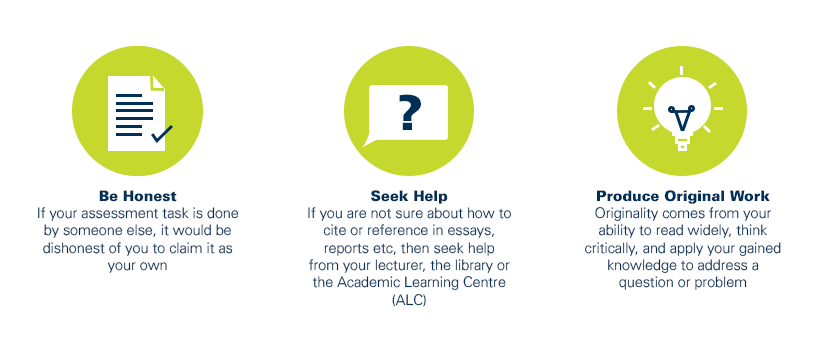
As a CQUniversity student you are expected to act honestly in all aspects of your academic work.
Any assessable work undertaken or submitted for review or assessment must be your own work. Assessable work is any type of work you do to meet the assessment requirements in the unit, including draft work submitted for review and feedback and final work to be assessed.
When you use the ideas, words or data of others in your assessment, you must thoroughly and clearly acknowledge the source of this information by using the correct referencing style for your unit. Using others’ work without proper acknowledgement may be considered a form of intellectual dishonesty.
Participating honestly, respectfully, responsibly, and fairly in your university study ensures the CQUniversity qualification you earn will be valued as a true indication of your individual academic achievement and will continue to receive the respect and recognition it deserves.
As a student, you are responsible for reading and following CQUniversity’s policies, including the Student Academic Integrity Policy and Procedure. This policy sets out CQUniversity’s expectations of you to act with integrity, examples of academic integrity breaches to avoid, the processes used to address alleged breaches of academic integrity, and potential penalties.
What is a breach of academic integrity?
A breach of academic integrity includes but is not limited to plagiarism, self-plagiarism, collusion, cheating, contract cheating, and academic misconduct. The Student Academic Integrity Policy and Procedure defines what these terms mean and gives examples.
Why is academic integrity important?
A breach of academic integrity may result in one or more penalties, including suspension or even expulsion from the University. It can also have negative implications for student visas and future enrolment at CQUniversity or elsewhere. Students who engage in contract cheating also risk being blackmailed by contract cheating services.
Where can I get assistance?
For academic advice and guidance, the Academic Learning Centre (ALC) can support you in becoming confident in completing assessments with integrity and of high standard.
What can you do to act with integrity?