Overview
In this unit, you will extend your professional knowledge and skills through tutorials and a 30 day placement (inclusive of 5 single days) with children in the year prior to commencing school. You will participate in tutorials to build both theoretical and practical knowledge of the strategies that teachers use to create positive learning environments. Drawing on a body of research, including neuroscience, you will examine strategies to support young children to manage their behaviour and respond appropriately to the behaviour of others. Pedagogies that support children's engagement with and learning in STEM and physical and health education will be implemented during the professional placement. Through critical reflection, you will monitor your professional learning and the strategies that were used to guide children’s behaviour and create a safe and supportive learning environment for all children. You will apply an ethical decision-making framework to examine an incident/s and explore or defend the ethical and professional reasoning underpinning your actions or those you observed in this situation.
Details
Pre-requisites or Co-requisites
Pre-requisite: Students must successfully complete EDEC28004 & EDEC28005 prior to completing this unit
Important note: Students enrolled in a subsequent unit who failed their pre-requisite unit, should drop the subsequent unit before the census date or within 10 working days of Fail grade notification. Students who do not drop the unit in this timeframe cannot later drop the unit without academic and financial liability. See details in the Assessment Policy and Procedure (Higher Education Coursework).
Offerings For Term 2 - 2026
Attendance Requirements
All on-campus students are expected to attend scheduled classes - in some units, these classes are identified as a mandatory (pass/fail) component and attendance is compulsory. International students, on a student visa, must maintain a full time study load and meet both attendance and academic progress requirements in each study period (satisfactory attendance for International students is defined as maintaining at least an 80% attendance record).
Recommended Student Time Commitment
Each 6-credit Postgraduate unit at CQUniversity requires an overall time commitment of an average of 12.5 hours of study per week, making a total of 150 hours for the unit.
Class Timetable
Assessment Overview
Assessment Grading
This is a pass/fail (non-graded) unit. To pass the unit, you must pass all of the individual assessment tasks shown in the table above.
All University policies are available on the CQUniversity Policy site.
You may wish to view these policies:
- Grades and Results Policy
- Assessment Policy and Procedure (Higher Education Coursework)
- Review of Grade Procedure
- Student Academic Integrity Policy and Procedure
- Academic Progression Policy and Procedure
- Student Refund and Credit Balance Policy and Procedure
- Complaints Policy and Procedure
- Information and Communications Technology Acceptable Use Policy and Procedure
This list is not an exhaustive list of all University policies. The full list of University policies are available on the CQUniversity Policy site.
- Plan developmentally appropriate experiences that promote physical activity, play, the acquisition of fundamental movement skills, positive attitudes to physical activity and health and the safety of children
- Use system and/or centre policies and knowledge of strategies for creating safe supportive learning environments and guiding behaviour to plan proactively for learning
- Select strategies that facilitate positive interactions, promote wellbeing, belonging and learning and facilitate the continuation of centre routines
- Plan and implement learning experiences including experiences that support children's engagement with STEM and that promote the engagement and participation of the full range of learners and are responsive to their characteristics, stage of development and social, cultural and linguistic backgrounds
- Interpret observed behaviour to identify possible causes and apply responsive strategies that maintain and develop classroom relationships and engaged learning
- Demonstrate professional responsibility through adherence to placement guidelines, codes of conduct, codes of ethics and legislative, administrative and organisational policies and processes for teachers at the professional experience site
- Critically reflect on enacted practices for guiding children’s behaviour and creating a safe and supportive learning environment for all children and justify choices with links to the Code of Ethics for Early Childhood
- Analyse professional practice to make professional reasoning explicit and ethically defensible.
This unit contributes to meeting the curriculum content requirements outlined by the Australian Children's Education & Care Quality Authority (ACECQA).
Alignment of Assessment Tasks to Learning Outcomes
| Assessment Tasks | Learning Outcomes | |||||||
|---|---|---|---|---|---|---|---|---|
| 1 | 2 | 3 | 4 | 5 | 6 | 7 | 8 | |
| 1 - Written Assessment - 0% | ||||||||
| 2 - Professional Practice Placement - 0% | ||||||||
| 3 - Written Assessment - 0% | ||||||||
Alignment of Graduate Attributes to Learning Outcomes
| Graduate Attributes | Learning Outcomes | |||||||
|---|---|---|---|---|---|---|---|---|
| 1 | 2 | 3 | 4 | 5 | 6 | 7 | 8 | |
| 1 - Knowledge | ||||||||
| 2 - Communication | ||||||||
| 3 - Cognitive, technical and creative skills | ||||||||
| 4 - Research | ||||||||
| 5 - Self-management | ||||||||
| 6 - Ethical and Professional Responsibility | ||||||||
| 7 - Leadership | ||||||||
| 8 - First Nations Knowledges | ||||||||
| 9 - Aboriginal and Torres Strait Islander Cultures | ||||||||
Textbooks
There are no required textbooks.
IT Resources
- CQUniversity Student Email
- Internet
- Unit Website (Moodle)
All submissions for this unit must use the referencing style: American Psychological Association 7th Edition (APA 7th edition)
For further information, see the Assessment Tasks.
l.stacchiotti@cqu.edu.au
m.g.wyland@cqu.edu.au
Week 1
Begin Date: 13 Jul 2026Module/Topic
Supporting children’s belonging and health, physical development and wellbeing
Chapter
Each topic will include topic specific readings. The references listed below provide broad guidance.
References:
ACECQA, (2018). Supporting children to regulate their own behaviour.
ACECQA, (2023). Inappropriate discipline: Information Sheet.
ACECQA, (2013). Transitions, moving In, moving up and moving on.
Arthur, L., Beecher, B., Death, E., Dockett, S., & Farmer, S. (2025). Programming and Planning in Early Childhood Settings. Cengage AU.
Australian Government Department of Education. (2022). Belonging, being and becoming: The early years learning framework for Australia (V2.0). https://www.acecqa.gov.au/sites/default/files/2023-01/EYLF-2022-V2.0.pdf
Bailey, B (2015). Conscious Discipline Building Resilient Classrooms, Loving Guidance, Inc.
Curtis, D., & Carter. M. (2014). Designs for Living and Learning: Transforming Early Childhood Environments. Redleaf, MN.
Curtis, D., & Carter, M. (2008) Learning together with young children: A curriculum framework for reflective teachers.Redleaf, MN.
Churchill, R., Keddie, A., Moss, J., Nagel, M., Shaw, K., Mackay, J., Letts, W., McGill, M., Batt, J., Beckman, K., Apps, T., & Grainger, P. (2021). Teaching: Making a difference. John Wiley & Sons Ltd.
Dolby (2017). The Circle of Security: Roadmap to building supportive relationships.
Early Childhood Australia Early Childhood Australia. (2021). Finding the balance: Play-based learning and intentional teaching.
Edwards, C., Gandini, L., & Forman, G. (1998). The hundred languages of children: The Reggio Emilia approach advanced reflections. Bloomsbury Publishing USA.
Giamminuti, S. (2013). Dancing with Reggio Emilia: metaphors of quality. Pademelon Press.
Giamminuti, S., Cagliari, P., Giudici, C., & Strozzi, P. (2023). The Role of the Pedagogista in Reggio Emilia. Routledge.
Jones, E. (2012). The emergence of emergent curriculum. Young Children (March).
Early Childhood Australia, (2016). Code of Ethics.
Kindergarten Union (2013). Guiding children's behaviour.
Merewether, J., (2018). Listening to young children outdoors with pedagogical documentation. International Journal of Early Years Education, 26(3), 259-277.
Pelo, A. (2013). The Goodness of Rain. Exchange Press.
Porter, L. (2016). Young Children's Behaviour. Routledge.
Shearer, A. & Lenihan, S. (2011). Intentional teaching, child-centred curriculum and the EYLF. Research Gate.
Newman, L., & Pollnitz, L., & Australian Early Childhood Association. (2002). Ethics in action: introducing the ethical response cycle. Watson, ACT: Australian Early Childhood.
Helpful Websites:
AITSL: Focus on Create and maintain supportive and safe learning environments
Australian Children’s Education and Care Quality Authority: Guide to the National Quality Framework Early Childhood Australia
Queensland Curriculum and Assessment Authority Kindy
Victorian Government – Early Childhood
Practice principles for teaching birth to 8 years_ Victoria
Abecedarian Studies
Reggio Australia
The Education Hub (NZ)
https://www.mindsetworks.com/science/
https://www.youtube.com/watch?v=hiiEeMN7vbQ
Early Childhood Australia Code of Ethics
Events and Submissions/Topic
Week 2
Begin Date: 20 Jul 2026Module/Topic
Motor skill acquisition and play and games as a source of physical and social learning and development
Strategies for supporting the development of fundamental movement skills
Chapter
Each topic will include topic specific readings.
References:
ACECQA, (2018). Supporting children to regulate their own behaviour.
ACECQA, (2023). Inappropriate discipline: Information Sheet.
ACECQA, (2013). Transitions, moving In, moving up and moving on.
Arthur, L., Beecher, B., Death, E., Dockett, S., & Farmer, S. (2025). Programming and Planning in Early Childhood Settings. Cengage AU.
Australian Government Department of Education. (2022). Belonging, being and becoming: The early years learning framework for Australia (V2.0). https://www.acecqa.gov.au/sites/default/files/2023-01/EYLF-2022-V2.0.pdf
Bailey, B (2015). Conscious Discipline Building Resilient Classrooms, Loving Guidance, Inc.
Curtis, D., & Carter. M. (2014). Designs for Living and Learning: Transforming Early Childhood Environments. Redleaf, MN.
Curtis, D., & Carter, M. (2008) Learning together with young children: A curriculum framework for reflective teachers.Redleaf, MN.
Churchill, R., Keddie, A., Moss, J., Nagel, M., Shaw, K., Mackay, J., Letts, W., McGill, M., Batt, J., Beckman, K., Apps, T., & Grainger, P. (2021). Teaching: Making a difference. John Wiley & Sons Ltd.
Dolby (2017). The Circle of Security: Roadmap to building supportive relationships.
Early Childhood Australia Early Childhood Australia. (2021). Finding the balance: Play-based learning and intentional teaching.
Edwards, C., Gandini, L., & Forman, G. (1998). The hundred languages of children: The Reggio Emilia approach advanced reflections. Bloomsbury Publishing USA.
Giamminuti, S. (2013). Dancing with Reggio Emilia: metaphors of quality. Pademelon Press.
Giamminuti, S., Cagliari, P., Giudici, C., & Strozzi, P. (2023). The Role of the Pedagogista in Reggio Emilia. Routledge.
Jones, E. (2012). The emergence of emergent curriculum. Young Children (March).
Early Childhood Australia, (2016). Code of Ethics.
Kindergarten Union (2013). Guiding children's behaviour.
Merewether, J., (2018). Listening to young children outdoors with pedagogical documentation. International Journal of Early Years Education, 26(3), 259-277.
Pelo, A. (2013). The Goodness of Rain. Exchange Press.
Porter, L. (2016). Young Children's Behaviour. Routledge.
Shearer, A. & Lenihan, S. (2011). Intentional teaching, child-centred curriculum and the EYLF. Research Gate.
Newman, L., & Pollnitz, L., & Australian Early Childhood Association. (2002). Ethics in action:
introducing the ethical response cycle. Watson, ACT: Australian Early Childhood.
Helpful Websites:
AITSL: Focus on Create and maintain supportive and safe learning environments
Australian Children’s Education and Care Quality Authority: Guide to the National Quality Framework Early Childhood Australia
Queensland Curriculum and Assessment Authority Kindy
Victorian Government – Early Childhood
Practice principles for teaching birth to 8 years_ Victoria
Abecedarian Studies
Reggio Australia
The Education Hub (NZ)
https://www.mindsetworks.com/science/
https://www.youtube.com/watch?v=hiiEeMN7vbQ
Early Childhood Australia Code of Ethics
Events and Submissions/Topic
Week 3
Begin Date: 27 Jul 2026Module/Topic
Supporting health literacies and
Learning about healthy lifestyles
Safe teaching practices - Risk assessment
Chapter
Each topic will include topic specific readings.
References:
ACECQA, (2018). Supporting children to regulate their own behaviour.
ACECQA, (2023). Inappropriate discipline: Information Sheet.
ACECQA, (2013). Transitions, moving In, moving up and moving on.
Arthur, L., Beecher, B., Death, E., Dockett, S., & Farmer, S. (2025). Programming and Planning in Early Childhood Settings. Cengage AU.
Australian Government Department of Education. (2022). Belonging, being and becoming: The early years learning framework for Australia (V2.0). https://www.acecqa.gov.au/sites/default/files/2023-01/EYLF-2022-V2.0.pdf
Bailey, B (2015). Conscious Discipline Building Resilient Classrooms, Loving Guidance, Inc.
Curtis, D., & Carter. M. (2014). Designs for Living and Learning: Transforming Early Childhood Environments. Redleaf, MN.
Curtis, D., & Carter, M. (2008) Learning together with young children: A curriculum framework for reflective teachers.Redleaf, MN.
Churchill, R., Keddie, A., Moss, J., Nagel, M., Shaw, K., Mackay, J., Letts, W., McGill, M., Batt, J., Beckman, K., Apps, T., & Grainger, P. (2021). Teaching: Making a difference. John Wiley & Sons Ltd.
Dolby (2017). The Circle of Security: Roadmap to building supportive relationships.
Early Childhood Australia Early Childhood Australia. (2021). Finding the balance: Play-based learning and intentional teaching.
Edwards, C., Gandini, L., & Forman, G. (1998). The hundred languages of children: The Reggio Emilia approach advanced reflections. Bloomsbury Publishing USA.
Giamminuti, S. (2013). Dancing with Reggio Emilia: metaphors of quality. Pademelon Press.
Giamminuti, S., Cagliari, P., Giudici, C., & Strozzi, P. (2023). The Role of the Pedagogista in Reggio Emilia. Routledge.
Jones, E. (2012). The emergence of emergent curriculum. Young Children (March).
Early Childhood Australia, (2016). Code of Ethics.
Kindergarten Union (2013). Guiding children's behaviour.
Merewether, J., (2018). Listening to young children outdoors with pedagogical documentation. International Journal of Early Years Education, 26(3), 259-277.
Pelo, A. (2013). The Goodness of Rain. Exchange Press.
Porter, L. (2016). Young Children's Behaviour. Routledge.
Shearer, A. & Lenihan, S. (2011). Intentional teaching, child-centred curriculum and the EYLF. Research Gate.
Newman, L., & Pollnitz, L., & Australian Early Childhood Association. (2002). Ethics in action:
introducing the ethical response cycle. Watson, ACT: Australian Early Childhood.
Helpful Websites:
AITSL: Focus on Create and maintain supportive and safe learning environments
Australian Children’s Education and Care Quality Authority: Guide to the National Quality Framework Early Childhood Australia
Queensland Curriculum and Assessment Authority Kindy
Victorian Government – Early Childhood
Practice principles for teaching birth to 8 years_ Victoria
Abecedarian Studies
Reggio Australia
The Education Hub (NZ)
https://www.mindsetworks.com/science/
https://www.youtube.com/watch?v=hiiEeMN7vbQ
Early Childhood Australia Code of Ethics
Events and Submissions/Topic
Week 4
Begin Date: 03 Aug 2026Module/Topic
Guiding behaviour in early childhood contexts and developing
Developing a behaviour plan for an individual
Supporting a growth mindset – resilience (link to outcome 4) and social emotional development
Developing a vision of intent for building relationships with young children - developing our interactions with children and supporting children to engage in interactions
Chapter
Each topic will include topic specific readings.
References:
ACECQA, (2018). Supporting children to regulate their own behaviour.
ACECQA, (2023). Inappropriate discipline: Information Sheet.
ACECQA, (2013). Transitions, moving In, moving up and moving on.
Arthur, L., Beecher, B., Death, E., Dockett, S., & Farmer, S. (2025). Programming and Planning in Early Childhood Settings. Cengage AU.
Australian Government Department of Education. (2022). Belonging, being and becoming: The early years learning framework for Australia (V2.0). https://www.acecqa.gov.au/sites/default/files/2023-01/EYLF-2022-V2.0.pdf
Bailey, B (2015). Conscious Discipline Building Resilient Classrooms, Loving Guidance, Inc.
Curtis, D., & Carter. M. (2014). Designs for Living and Learning: Transforming Early Childhood Environments. Redleaf, MN.
Curtis, D., & Carter, M. (2008) Learning together with young children: A curriculum framework for reflective teachers.Redleaf, MN.
Churchill, R., Keddie, A., Moss, J., Nagel, M., Shaw, K., Mackay, J., Letts, W., McGill, M., Batt, J., Beckman, K., Apps, T., & Grainger, P. (2021). Teaching: Making a difference. John Wiley & Sons Ltd.
Dolby (2017). The Circle of Security: Roadmap to building supportive relationships.
Early Childhood Australia Early Childhood Australia. (2021). Finding the balance: Play-based learning and intentional teaching.
Edwards, C., Gandini, L., & Forman, G. (1998). The hundred languages of children: The Reggio Emilia approach advanced reflections. Bloomsbury Publishing USA.
Giamminuti, S. (2013). Dancing with Reggio Emilia: metaphors of quality. Pademelon Press.
Giamminuti, S., Cagliari, P., Giudici, C., & Strozzi, P. (2023). The Role of the Pedagogista in Reggio Emilia. Routledge.
Jones, E. (2012). The emergence of emergent curriculum. Young Children (March).
Early Childhood Australia, (2016). Code of Ethics.
Kindergarten Union (2013). Guiding children's behaviour.
Merewether, J., (2018). Listening to young children outdoors with pedagogical documentation. International Journal of Early Years Education, 26(3), 259-277.
Pelo, A. (2013). The Goodness of Rain. Exchange Press.
Porter, L. (2016). Young Children's Behaviour. Routledge.
Shearer, A. & Lenihan, S. (2011). Intentional teaching, child-centred curriculum and the EYLF. Research Gate.
Newman, L., & Pollnitz, L., & Australian Early Childhood Association. (2002). Ethics in action:
introducing the ethical response cycle. Watson, ACT: Australian Early Childhood.
Helpful Websites:
AITSL: Focus on Create and maintain supportive and safe learning environments
Australian Children’s Education and Care Quality Authority: Guide to the National Quality Framework Early Childhood Australia
Queensland Curriculum and Assessment Authority Kindy
Victorian Government – Early Childhood
Practice principles for teaching birth to 8 years_ Victoria
Abecedarian Studies
Reggio Australia
The Education Hub (NZ)
https://www.mindsetworks.com/science/
https://www.youtube.com/watch?v=hiiEeMN7vbQ
Early Childhood Australia Code of Ethics
Events and Submissions/Topic
Week 5
Begin Date: 10 Aug 2026Module/Topic
Features of positive learning environments: The environment as the third teacher (Interactional and temporal environments) and how environments can support children
Building spaces intentionally – creating an environmental plan
Identify aesthetics as important in the design of learning environments
Chapter
Each topic will include topic specific readings.
References:
ACECQA, (2018). Supporting children to regulate their own behaviour.
ACECQA, (2023). Inappropriate discipline: Information Sheet.
ACECQA, (2013). Transitions, moving In, moving up and moving on.
Arthur, L., Beecher, B., Death, E., Dockett, S., & Farmer, S. (2025). Programming and Planning in Early Childhood Settings. Cengage AU.
Australian Government Department of Education. (2022). Belonging, being and becoming: The early years learning framework for Australia (V2.0). https://www.acecqa.gov.au/sites/default/files/2023-01/EYLF-2022-V2.0.pdf
Bailey, B (2015). Conscious Discipline Building Resilient Classrooms, Loving Guidance, Inc.
Curtis, D., & Carter. M. (2014). Designs for Living and Learning: Transforming Early Childhood Environments. Redleaf, MN.
Curtis, D., & Carter, M. (2008) Learning together with young children: A curriculum framework for reflective teachers.Redleaf, MN.
Churchill, R., Keddie, A., Moss, J., Nagel, M., Shaw, K., Mackay, J., Letts, W., McGill, M., Batt, J., Beckman, K., Apps, T., & Grainger, P. (2021). Teaching: Making a difference. John Wiley & Sons Ltd.
Dolby (2017). The Circle of Security: Roadmap to building supportive relationships.
Early Childhood Australia Early Childhood Australia. (2021). Finding the balance: Play-based learning and intentional teaching.
Edwards, C., Gandini, L., & Forman, G. (1998). The hundred languages of children: The Reggio Emilia approach advanced reflections. Bloomsbury Publishing USA.
Giamminuti, S. (2013). Dancing with Reggio Emilia: metaphors of quality. Pademelon Press.
Giamminuti, S., Cagliari, P., Giudici, C., & Strozzi, P. (2023). The Role of the Pedagogista in Reggio Emilia. Routledge.
Jones, E. (2012). The emergence of emergent curriculum. Young Children (March).
Early Childhood Australia, (2016). Code of Ethics.
Kindergarten Union (2013). Guiding children's behaviour.
Merewether, J., (2018). Listening to young children outdoors with pedagogical documentation. International Journal of Early Years Education, 26(3), 259-277.
Pelo, A. (2013). The Goodness of Rain. Exchange Press.
Porter, L. (2016). Young Children's Behaviour. Routledge.
Shearer, A. & Lenihan, S. (2011). Intentional teaching, child-centred curriculum and the EYLF. Research Gate.
Newman, L., & Pollnitz, L., & Australian Early Childhood Association. (2002). Ethics in action:
introducing the ethical response cycle. Watson, ACT: Australian Early Childhood.
Helpful Websites:
AITSL: Focus on Create and maintain supportive and safe learning environments
Australian Children’s Education and Care Quality Authority: Guide to the National Quality Framework Early Childhood Australia
Queensland Curriculum and Assessment Authority Kindy
Victorian Government – Early Childhood
Practice principles for teaching birth to 8 years_ Victoria
Abecedarian Studies
Reggio Australia
The Education Hub (NZ)
https://www.mindsetworks.com/science/
https://www.youtube.com/watch?v=hiiEeMN7vbQ
Early Childhood Australia Code of Ethics
Events and Submissions/Topic
Week 6
Begin Date: 17 Aug 2026Module/Topic
Week 6 - 9
Curriculum planning, programming and documentation including alignment to the relevant learning framework
Constructing a learning experience and associated planning
Curriculum decision making long and shorter term planning
Identifying spaces/opportunities for intentional teaching
Further work on constructing a lesson plan/learning experience
Collecting information to make informed judgements about children and their learning
Interpreting data
Documentation
Chapter
Each topic will include topic specific readings.
References:
ACECQA, (2018). Supporting children to regulate their own behaviour.
ACECQA, (2023). Inappropriate discipline: Information Sheet.
ACECQA, (2013). Transitions, moving In, moving up and moving on.
Arthur, L., Beecher, B., Death, E., Dockett, S., & Farmer, S. (2025). Programming and Planning in Early Childhood Settings. Cengage AU.
Australian Government Department of Education. (2022). Belonging, being and becoming: The early years learning framework for Australia (V2.0). https://www.acecqa.gov.au/sites/default/files/2023-01/EYLF-2022-V2.0.pdf
Bailey, B (2015). Conscious Discipline Building Resilient Classrooms, Loving Guidance, Inc.
Curtis, D., & Carter. M. (2014). Designs for Living and Learning: Transforming Early Childhood Environments. Redleaf, MN.
Curtis, D., & Carter, M. (2008) Learning together with young children: A curriculum framework for reflective teachers.Redleaf, MN.
Churchill, R., Keddie, A., Moss, J., Nagel, M., Shaw, K., Mackay, J., Letts, W., McGill, M., Batt, J., Beckman, K., Apps, T., & Grainger, P. (2021). Teaching: Making a difference. John Wiley & Sons Ltd.
Dolby (2017). The Circle of Security: Roadmap to building supportive relationships.
Early Childhood Australia Early Childhood Australia. (2021). Finding the balance: Play-based learning and intentional teaching.
Edwards, C., Gandini, L., & Forman, G. (1998). The hundred languages of children: The Reggio Emilia approach advanced reflections. Bloomsbury Publishing USA.
Giamminuti, S. (2013). Dancing with Reggio Emilia: metaphors of quality. Pademelon Press.
Giamminuti, S., Cagliari, P., Giudici, C., & Strozzi, P. (2023). The Role of the Pedagogista in Reggio Emilia. Routledge.
Jones, E. (2012). The emergence of emergent curriculum. Young Children (March).
Early Childhood Australia, (2016). Code of Ethics.
Kindergarten Union (2013). Guiding children's behaviour.
Merewether, J., (2018). Listening to young children outdoors with pedagogical documentation. International Journal of Early Years Education, 26(3), 259-277.
Pelo, A. (2013). The Goodness of Rain. Exchange Press.
Porter, L. (2016). Young Children's Behaviour. Routledge.
Shearer, A. & Lenihan, S. (2011). Intentional teaching, child-centred curriculum and the EYLF. Research Gate.
Newman, L., & Pollnitz, L., & Australian Early Childhood Association. (2002). Ethics in action:
introducing the ethical response cycle. Watson, ACT: Australian Early Childhood.
Helpful Websites:
AITSL: Focus on Create and maintain supportive and safe learning environments
Australian Children’s Education and Care Quality Authority: Guide to the National Quality Framework Early Childhood Australia
Queensland Curriculum and Assessment Authority Kindy
Victorian Government – Early Childhood
Practice principles for teaching birth to 8 years_ Victoria
Abecedarian Studies
Reggio Australia
The Education Hub (NZ)
https://www.mindsetworks.com/science/
https://www.youtube.com/watch?v=hiiEeMN7vbQ
Early Childhood Australia Code of Ethics
Events and Submissions/Topic
Vacation Week
Begin Date: 24 Aug 2026Module/Topic
Chapter
Events and Submissions/Topic
Week 7
Begin Date: 31 Aug 2026Module/Topic
Week 6 - 9
Curriculum planning, programming and documentation including alignment to the relevant learning framework
Constructing a learning experience and associated planning
Curriculum decision making long and shorter term planning
Identifying spaces/opportunities for intentional teaching
Further work on constructing a lesson plan/learning experience
Collecting information to make informed judgements about children and their learning
Interpreting data
Documentation
Chapter
Each topic will include topic specific readings.
References:
ACECQA, (2018). Supporting children to regulate their own behaviour.
ACECQA, (2023). Inappropriate discipline: Information Sheet.
ACECQA, (2013). Transitions, moving In, moving up and moving on.
Arthur, L., Beecher, B., Death, E., Dockett, S., & Farmer, S. (2025). Programming and Planning in Early Childhood Settings. Cengage AU.
Australian Government Department of Education. (2022). Belonging, being and becoming: The early years learning framework for Australia (V2.0). https://www.acecqa.gov.au/sites/default/files/2023-01/EYLF-2022-V2.0.pdf
Bailey, B (2015). Conscious Discipline Building Resilient Classrooms, Loving Guidance, Inc.
Curtis, D., & Carter. M. (2014). Designs for Living and Learning: Transforming Early Childhood Environments. Redleaf, MN.
Curtis, D., & Carter, M. (2008) Learning together with young children: A curriculum framework for reflective teachers.Redleaf, MN.
Churchill, R., Keddie, A., Moss, J., Nagel, M., Shaw, K., Mackay, J., Letts, W., McGill, M., Batt, J., Beckman, K., Apps, T., & Grainger, P. (2021). Teaching: Making a difference. John Wiley & Sons Ltd.
Dolby (2017). The Circle of Security: Roadmap to building supportive relationships.
Early Childhood Australia Early Childhood Australia. (2021). Finding the balance: Play-based learning and intentional teaching.
Edwards, C., Gandini, L., & Forman, G. (1998). The hundred languages of children: The Reggio Emilia approach advanced reflections. Bloomsbury Publishing USA.
Giamminuti, S. (2013). Dancing with Reggio Emilia: metaphors of quality. Pademelon Press.
Giamminuti, S., Cagliari, P., Giudici, C., & Strozzi, P. (2023). The Role of the Pedagogista in Reggio Emilia. Routledge.
Jones, E. (2012). The emergence of emergent curriculum. Young Children (March).
Early Childhood Australia, (2016). Code of Ethics.
Kindergarten Union (2013). Guiding children's behaviour.
Merewether, J., (2018). Listening to young children outdoors with pedagogical documentation. International Journal of Early Years Education, 26(3), 259-277.
Pelo, A. (2013). The Goodness of Rain. Exchange Press.
Porter, L. (2016). Young Children's Behaviour. Routledge.
Shearer, A. & Lenihan, S. (2011). Intentional teaching, child-centred curriculum and the EYLF. Research Gate.
Newman, L., & Pollnitz, L., & Australian Early Childhood Association. (2002). Ethics in action:
introducing the ethical response cycle. Watson, ACT: Australian Early Childhood.
Helpful Websites:
AITSL: Focus on Create and maintain supportive and safe learning environments
Australian Children’s Education and Care Quality Authority: Guide to the National Quality Framework Early Childhood Australia
Queensland Curriculum and Assessment Authority Kindy
Victorian Government – Early Childhood
Practice principles for teaching birth to 8 years_ Victoria
Abecedarian Studies
Reggio Australia
The Education Hub (NZ)
https://www.mindsetworks.com/science/
https://www.youtube.com/watch?v=hiiEeMN7vbQ
Early Childhood Australia Code of Ethics
Events and Submissions/Topic
Week 8
Begin Date: 07 Sep 2026Module/Topic
Week 6 - 9
Curriculum planning, programming and documentation including alignment to the relevant learning framework
Constructing a learning experience and associated planning
Curriculum decision making long and shorter term planning
Identifying spaces/opportunities for intentional teaching
Further work on constructing a lesson plan/learning experience
Collecting information to make informed judgements about children and their learning
Interpreting data
Documentation
Chapter
Each topic will include topic specific readings.
References:
ACECQA, (2018). Supporting children to regulate their own behaviour.
ACECQA, (2023). Inappropriate discipline: Information Sheet.
ACECQA, (2013). Transitions, moving In, moving up and moving on.
Arthur, L., Beecher, B., Death, E., Dockett, S., & Farmer, S. (2025). Programming and Planning in Early Childhood Settings. Cengage AU.
Australian Government Department of Education. (2022). Belonging, being and becoming: The early years learning framework for Australia (V2.0). https://www.acecqa.gov.au/sites/default/files/2023-01/EYLF-2022-V2.0.pdf
Bailey, B (2015). Conscious Discipline Building Resilient Classrooms, Loving Guidance, Inc.
Curtis, D., & Carter. M. (2014). Designs for Living and Learning: Transforming Early Childhood Environments. Redleaf, MN.
Curtis, D., & Carter, M. (2008) Learning together with young children: A curriculum framework for reflective teachers.Redleaf, MN.
Churchill, R., Keddie, A., Moss, J., Nagel, M., Shaw, K., Mackay, J., Letts, W., McGill, M., Batt, J., Beckman, K., Apps, T., & Grainger, P. (2021). Teaching: Making a difference. John Wiley & Sons Ltd.
Dolby (2017). The Circle of Security: Roadmap to building supportive relationships.
Early Childhood Australia Early Childhood Australia. (2021). Finding the balance: Play-based learning and intentional teaching.
Edwards, C., Gandini, L., & Forman, G. (1998). The hundred languages of children: The Reggio Emilia approach advanced reflections. Bloomsbury Publishing USA.
Giamminuti, S. (2013). Dancing with Reggio Emilia: metaphors of quality. Pademelon Press.
Giamminuti, S., Cagliari, P., Giudici, C., & Strozzi, P. (2023). The Role of the Pedagogista in Reggio Emilia. Routledge.
Jones, E. (2012). The emergence of emergent curriculum. Young Children (March).
Early Childhood Australia, (2016). Code of Ethics.
Kindergarten Union (2013). Guiding children's behaviour.
Merewether, J., (2018). Listening to young children outdoors with pedagogical documentation. International Journal of Early Years Education, 26(3), 259-277.
Pelo, A. (2013). The Goodness of Rain. Exchange Press.
Porter, L. (2016). Young Children's Behaviour. Routledge.
Shearer, A. & Lenihan, S. (2011). Intentional teaching, child-centred curriculum and the EYLF. Research Gate.
Newman, L., & Pollnitz, L., & Australian Early Childhood Association. (2002). Ethics in action:
introducing the ethical response cycle. Watson, ACT: Australian Early Childhood.
Helpful Websites:
AITSL: Focus on Create and maintain supportive and safe learning environments
Australian Children’s Education and Care Quality Authority: Guide to the National Quality Framework Early Childhood Australia
Queensland Curriculum and Assessment Authority Kindy
Victorian Government – Early Childhood
Practice principles for teaching birth to 8 years_ Victoria
Abecedarian Studies
Reggio Australia
The Education Hub (NZ)
https://www.mindsetworks.com/science/
https://www.youtube.com/watch?v=hiiEeMN7vbQ
Early Childhood Australia Code of Ethics
Events and Submissions/Topic
Week 9
Begin Date: 14 Sep 2026Module/Topic
Week 6 - 9
Curriculum planning, programming and documentation including alignment to the relevant learning framework
Constructing a learning experience and associated planning
Curriculum decision making long and shorter term planning
Identifying spaces/opportunities for intentional teaching
Further work on constructing a lesson plan/learning experience
Collecting information to make informed judgements about children and their learning
Interpreting data
Documentation
Chapter
Each topic will include topic specific readings.
References:
ACECQA, (2018). Supporting children to regulate their own behaviour.
ACECQA, (2023). Inappropriate discipline: Information Sheet.
ACECQA, (2013). Transitions, moving In, moving up and moving on.
Arthur, L., Beecher, B., Death, E., Dockett, S., & Farmer, S. (2025). Programming and Planning in Early Childhood Settings. Cengage AU.
Australian Government Department of Education. (2022). Belonging, being and becoming: The early years learning framework for Australia (V2.0). https://www.acecqa.gov.au/sites/default/files/2023-01/EYLF-2022-V2.0.pdf
Bailey, B (2015). Conscious Discipline Building Resilient Classrooms, Loving Guidance, Inc.
Curtis, D., & Carter. M. (2014). Designs for Living and Learning: Transforming Early Childhood Environments. Redleaf, MN.
Curtis, D., & Carter, M. (2008) Learning together with young children: A curriculum framework for reflective teachers.Redleaf, MN.
Churchill, R., Keddie, A., Moss, J., Nagel, M., Shaw, K., Mackay, J., Letts, W., McGill, M., Batt, J., Beckman, K., Apps, T., & Grainger, P. (2021). Teaching: Making a difference. John Wiley & Sons Ltd.
Dolby (2017). The Circle of Security: Roadmap to building supportive relationships.
Early Childhood Australia Early Childhood Australia. (2021). Finding the balance: Play-based learning and intentional teaching.
Edwards, C., Gandini, L., & Forman, G. (1998). The hundred languages of children: The Reggio Emilia approach advanced reflections. Bloomsbury Publishing USA.
Giamminuti, S. (2013). Dancing with Reggio Emilia: metaphors of quality. Pademelon Press.
Giamminuti, S., Cagliari, P., Giudici, C., & Strozzi, P. (2023). The Role of the Pedagogista in Reggio Emilia. Routledge.
Jones, E. (2012). The emergence of emergent curriculum. Young Children (March).
Early Childhood Australia, (2016). Code of Ethics.
Kindergarten Union (2013). Guiding children's behaviour.
Merewether, J., (2018). Listening to young children outdoors with pedagogical documentation. International Journal of Early Years Education, 26(3), 259-277.
Pelo, A. (2013). The Goodness of Rain. Exchange Press.
Porter, L. (2016). Young Children's Behaviour. Routledge.
Shearer, A. & Lenihan, S. (2011). Intentional teaching, child-centred curriculum and the EYLF. Research Gate.
Newman, L., & Pollnitz, L., & Australian Early Childhood Association. (2002). Ethics in action:
introducing the ethical response cycle. Watson, ACT: Australian Early Childhood.
Helpful Websites:
AITSL: Focus on Create and maintain supportive and safe learning environments
Australian Children’s Education and Care Quality Authority: Guide to the National Quality Framework Early Childhood Australia
Queensland Curriculum and Assessment Authority Kindy
Victorian Government – Early Childhood
Practice principles for teaching birth to 8 years_ Victoria
Abecedarian Studies
Reggio Australia
The Education Hub (NZ)
https://www.mindsetworks.com/science/
https://www.youtube.com/watch?v=hiiEeMN7vbQ
Early Childhood Australia Code of Ethics
Events and Submissions/Topic
Week 10
Begin Date: 21 Sep 2026Module/Topic
Routines and transitions – including considering transition to school and the documentation that is provided to parents and the school
Early intervention
Chapter
Each topic will include topic specific readings.
References:
ACECQA, (2018). Supporting children to regulate their own behaviour.
ACECQA, (2023). Inappropriate discipline: Information Sheet.
ACECQA, (2013). Transitions, moving In, moving up and moving on.
Arthur, L., Beecher, B., Death, E., Dockett, S., & Farmer, S. (2025). Programming and Planning in Early Childhood Settings. Cengage AU.
Australian Government Department of Education. (2022). Belonging, being and becoming: The early years learning framework for Australia (V2.0). https://www.acecqa.gov.au/sites/default/files/2023-01/EYLF-2022-V2.0.pdf
Bailey, B (2015). Conscious Discipline Building Resilient Classrooms, Loving Guidance, Inc.
Curtis, D., & Carter. M. (2014). Designs for Living and Learning: Transforming Early Childhood Environments. Redleaf, MN.
Curtis, D., & Carter, M. (2008) Learning together with young children: A curriculum framework for reflective teachers.Redleaf, MN.
Churchill, R., Keddie, A., Moss, J., Nagel, M., Shaw, K., Mackay, J., Letts, W., McGill, M., Batt, J., Beckman, K., Apps, T., & Grainger, P. (2021). Teaching: Making a difference. John Wiley & Sons Ltd.
Dolby (2017). The Circle of Security: Roadmap to building supportive relationships.
Early Childhood Australia Early Childhood Australia. (2021). Finding the balance: Play-based learning and intentional teaching.
Edwards, C., Gandini, L., & Forman, G. (1998). The hundred languages of children: The Reggio Emilia approach advanced reflections. Bloomsbury Publishing USA.
Giamminuti, S. (2013). Dancing with Reggio Emilia: metaphors of quality. Pademelon Press.
Giamminuti, S., Cagliari, P., Giudici, C., & Strozzi, P. (2023). The Role of the Pedagogista in Reggio Emilia. Routledge.
Jones, E. (2012). The emergence of emergent curriculum. Young Children (March).
Early Childhood Australia, (2016). Code of Ethics.
Kindergarten Union (2013). Guiding children's behaviour.
Merewether, J., (2018). Listening to young children outdoors with pedagogical documentation. International Journal of Early Years Education, 26(3), 259-277.
Pelo, A. (2013). The Goodness of Rain. Exchange Press.
Porter, L. (2016). Young Children's Behaviour. Routledge.
Shearer, A. & Lenihan, S. (2011). Intentional teaching, child-centred curriculum and the EYLF. Research Gate.
Newman, L., & Pollnitz, L., & Australian Early Childhood Association. (2002). Ethics in action:
introducing the ethical response cycle. Watson, ACT: Australian Early Childhood.
Helpful Websites:
AITSL: Focus on Create and maintain supportive and safe learning environments
Australian Children’s Education and Care Quality Authority: Guide to the National Quality Framework Early Childhood Australia
Queensland Curriculum and Assessment Authority Kindy
Victorian Government – Early Childhood
Practice principles for teaching birth to 8 years_ Victoria
Abecedarian Studies
Reggio Australia
The Education Hub (NZ)
https://www.mindsetworks.com/science/
https://www.youtube.com/watch?v=hiiEeMN7vbQ
Early Childhood Australia Code of Ethics
Events and Submissions/Topic
Week 11
Begin Date: 28 Sep 2026Module/Topic
Reflection as central to improving teaching
Professional Goal setting and ethical behaviour with young children and families
Revisiting the ECA Code of Ethics and applying an ethical framework to a dilemma
Chapter
Each topic will include topic specific readings.
References:
ACECQA, (2018). Supporting children to regulate their own behaviour.
ACECQA, (2023). Inappropriate discipline: Information Sheet.
ACECQA, (2013). Transitions, moving In, moving up and moving on.
Arthur, L., Beecher, B., Death, E., Dockett, S., & Farmer, S. (2025). Programming and Planning in Early Childhood Settings. Cengage AU.
Australian Government Department of Education. (2022). Belonging, being and becoming: The early years learning framework for Australia (V2.0). https://www.acecqa.gov.au/sites/default/files/2023-01/EYLF-2022-V2.0.pdf
Bailey, B (2015). Conscious Discipline Building Resilient Classrooms, Loving Guidance, Inc.
Curtis, D., & Carter. M. (2014). Designs for Living and Learning: Transforming Early Childhood Environments. Redleaf, MN.
Curtis, D., & Carter, M. (2008) Learning together with young children: A curriculum framework for reflective teachers.Redleaf, MN.
Churchill, R., Keddie, A., Moss, J., Nagel, M., Shaw, K., Mackay, J., Letts, W., McGill, M., Batt, J., Beckman, K., Apps, T., & Grainger, P. (2021). Teaching: Making a difference. John Wiley & Sons Ltd.
Dolby (2017). The Circle of Security: Roadmap to building supportive relationships.
Early Childhood Australia Early Childhood Australia. (2021). Finding the balance: Play-based learning and intentional teaching.
Edwards, C., Gandini, L., & Forman, G. (1998). The hundred languages of children: The Reggio Emilia approach advanced reflections. Bloomsbury Publishing USA.
Giamminuti, S. (2013). Dancing with Reggio Emilia: metaphors of quality. Pademelon Press.
Giamminuti, S., Cagliari, P., Giudici, C., & Strozzi, P. (2023). The Role of the Pedagogista in Reggio Emilia. Routledge.
Jones, E. (2012). The emergence of emergent curriculum. Young Children (March).
Early Childhood Australia, (2016). Code of Ethics.
Kindergarten Union (2013). Guiding children's behaviour.
Merewether, J., (2018). Listening to young children outdoors with pedagogical documentation. International Journal of Early Years Education, 26(3), 259-277.
Pelo, A. (2013). The Goodness of Rain. Exchange Press.
Porter, L. (2016). Young Children's Behaviour. Routledge.
Shearer, A. & Lenihan, S. (2011). Intentional teaching, child-centred curriculum and the EYLF. Research Gate.
Newman, L., & Pollnitz, L., & Australian Early Childhood Association. (2002). Ethics in action:
introducing the ethical response cycle. Watson, ACT: Australian Early Childhood.
Helpful Websites:
AITSL: Focus on Create and maintain supportive and safe learning environments
Australian Children’s Education and Care Quality Authority: Guide to the National Quality Framework Early Childhood Australia
Queensland Curriculum and Assessment Authority Kindy
Victorian Government – Early Childhood
Practice principles for teaching birth to 8 years_ Victoria
Abecedarian Studies
Reggio Australia
The Education Hub (NZ)
https://www.mindsetworks.com/science/
https://www.youtube.com/watch?v=hiiEeMN7vbQ
Early Childhood Australia Code of Ethics
Events and Submissions/Topic
Week 12
Begin Date: 05 Oct 2026Module/Topic
Drop in sessions
Chapter
Each topic will include topic specific readings.
References:
ACECQA, (2018). Supporting children to regulate their own behaviour.
ACECQA, (2023). Inappropriate discipline: Information Sheet.
ACECQA, (2013). Transitions, moving In, moving up and moving on.
Arthur, L., Beecher, B., Death, E., Dockett, S., & Farmer, S. (2025). Programming and Planning in Early Childhood Settings. Cengage AU.
Australian Government Department of Education. (2022). Belonging, being and becoming: The early years learning framework for Australia (V2.0). https://www.acecqa.gov.au/sites/default/files/2023-01/EYLF-2022-V2.0.pdf
Bailey, B (2015). Conscious Discipline Building Resilient Classrooms, Loving Guidance, Inc.
Curtis, D., & Carter. M. (2014). Designs for Living and Learning: Transforming Early Childhood Environments. Redleaf, MN.
Curtis, D., & Carter, M. (2008) Learning together with young children: A curriculum framework for reflective teachers.Redleaf, MN.
Churchill, R., Keddie, A., Moss, J., Nagel, M., Shaw, K., Mackay, J., Letts, W., McGill, M., Batt, J., Beckman, K., Apps, T., & Grainger, P. (2021). Teaching: Making a difference. John Wiley & Sons Ltd.
Dolby (2017). The Circle of Security: Roadmap to building supportive relationships.
Early Childhood Australia Early Childhood Australia. (2021). Finding the balance: Play-based learning and intentional teaching.
Edwards, C., Gandini, L., & Forman, G. (1998). The hundred languages of children: The Reggio Emilia approach advanced reflections. Bloomsbury Publishing USA.
Giamminuti, S. (2013). Dancing with Reggio Emilia: metaphors of quality. Pademelon Press.
Giamminuti, S., Cagliari, P., Giudici, C., & Strozzi, P. (2023). The Role of the Pedagogista in Reggio Emilia. Routledge.
Jones, E. (2012). The emergence of emergent curriculum. Young Children (March).
Early Childhood Australia, (2016). Code of Ethics.
Kindergarten Union (2013). Guiding children's behaviour.
Merewether, J., (2018). Listening to young children outdoors with pedagogical documentation. International Journal of Early Years Education, 26(3), 259-277.
Pelo, A. (2013). The Goodness of Rain. Exchange Press.
Porter, L. (2016). Young Children's Behaviour. Routledge.
Shearer, A. & Lenihan, S. (2011). Intentional teaching, child-centred curriculum and the EYLF. Research Gate.
Newman, L., & Pollnitz, L., & Australian Early Childhood Association. (2002). Ethics in action:
introducing the ethical response cycle. Watson, ACT: Australian Early Childhood.
Helpful Websites:
AITSL: Focus on Create and maintain supportive and safe learning environments
Australian Children’s Education and Care Quality Authority: Guide to the National Quality Framework Early Childhood Australia
Queensland Curriculum and Assessment Authority Kindy
Victorian Government – Early Childhood
Practice principles for teaching birth to 8 years_ Victoria
Abecedarian Studies
Reggio Australia
The Education Hub (NZ)
https://www.mindsetworks.com/science/
https://www.youtube.com/watch?v=hiiEeMN7vbQ
Early Childhood Australia Code of Ethics
Events and Submissions/Topic
Exam Week
Begin Date: 12 Oct 2026Module/Topic
Chapter
Events and Submissions/Topic
Vacation/Exam Week
Begin Date: 19 Oct 2026Module/Topic
Chapter
Events and Submissions/Topic
1 Written Assessment
Weighting: 50%
Due: 28 August 2026, 11:45 pm AEST
Word Count: 1500 words maximum
You will design two learning experiences that encourage young children to investigate movement through exploration, awareness, and refinement, while nurturing a sense of agency, coordination, curiosity, and embodied learning through play. These two learning experiences should be informed by the physical, social, emotional, and cognitive development of children as outlined in the Early Years Learning Framework (AGDE, 2022), or the relevant State or Territory framework used with children in the year prior to school.
These projects should be designed to support and extend children’s balance, coordination, movement awareness, spatial understanding, and dialogue with materials and resources that encourage exploration, curiosity, and active engagement through play. In addition, the learning experiences should engage children through playful inquiry, movement exploration, and collaborative participation, while fostering confidence, wellbeing, and meaningful relationships with movement and physical expression.
You are also required to explain how children will be supported in transitioning from the planned movement experience into another learning experience, daily ritual, or routine. The plan must include a risk assessment of the physical environment in which the experiences may take place. Consideration should be given to the intentional use of equipment, environmental safety, and children’s varying capabilities, confidence levels, and movement experiences.
You are also required to identify links to the learning outcomes outlined in the Early Years Learning Framework (AGDE, 2022), or the relevant State or Territory framework for children aged 4–5 years, as well as connections to relevant academic literature.
As you develop your projects, think carefully about how children’s participation and engagement will be supported through intentional teaching, responsive interactions, and opportunities for co-regulation, collaboration, and encouragement.
AI: level 3
You may use AI to assist with this task, such as drafting text, refining, and evaluating your work. You must critically evaluate and modify any AI-generated content.
Any misuse or failure to disclose information regarding AI tools will be considered a breach of academic integrity.
Disclosure: Include a short note on your assessment cover page listing any AI tools used, which sections they were used in, and how they were used. Also, list the AI tool(s) in your reference list, following APA 7 style.
Vacation Week Friday (28 Aug 2026) 11:45 pm AEST
The assignment will be returned following marking and moderation.
Plan learning experiences that are responsive to children’s emerging capabilities and promote movement exploration, play, confidence, wellbeing, and safe participation. Use system and/or centre policies, alongside strategies for creating safe and supportive learning environments, to proactively support participation, engagement, and co-regulation throughout the learning experiences.
No submission method provided.
- Plan developmentally appropriate experiences that promote physical activity, play, the acquisition of fundamental movement skills, positive attitudes to physical activity and health and the safety of children
- Use system and/or centre policies and knowledge of strategies for creating safe supportive learning environments and guiding behaviour to plan proactively for learning
2 Professional Practice Placement
a) Completion of placement compliance form. You will access and complete this form through the SONIA placement system. Once you have agreed to each of the statements and submitted the form, it will be available to download through SONIA. A copy of this completed form needs to be uploaded to the assessment link in Moodle (DATE).
b) Compulsory Online Quiz. You will complete a 15 question quiz based on the content from the unit (weeks 1-5). To pass this task and proceed to placement, 100% (that is 15 out of 15) needs to be achieved. You can take the quiz as many times as needed to achieve 100%. Failure to complete the quiz will result in cancellation of your placement.
c) Compulsory Placement Attendance Record and Final Report. Your fully completed and signed Attendance Record by your Supervising Teacher/Educator and a downloaded copy from SONIA of the signed off Final Report by your Supervising Teacher/Educator & University Supervisor needs to be uploaded in Moodle.
- You will need to complete the mandatory training pertaining to child safety. Information about how this is to be completed will be communicated to you in tutorials and on the Moodle site.
- You will undertake a 30 day supervised placement in a setting (for children in the year prior to starting school) and complete all tasks outlined in the Information and Guidelines Booklet for Professional Practice Component. The 30 day placement is inclusive of 5 single placement days.
The placement will be organised by the relevant University Professional Practice Coordinator. An up-to-date working portfolio must be maintained throughout the placement. Explicit guidance about the organisation of the portfolio is provided in the Information and Guidelines booklet. The working portfolio should include a copy of the each of the requirements outlined in the booklet. In addition, you will need to include records of all observations, planning, evaluation and reflection conducted throughout the placement. The teacher, in consultation with the university, will complete both an interim and a Final Summative Report.
The placement date aligns with the Professional Placement Calendar
- Use system and/or centre policies and knowledge of strategies for creating safe supportive learning environments and guiding behaviour to plan proactively for learning
- Select strategies that facilitate positive interactions, promote wellbeing, belonging and learning and facilitate the continuation of centre routines
- Plan and implement learning experiences including experiences that support children's engagement with STEM and that promote the engagement and participation of the full range of learners and are responsive to their characteristics, stage of development and social, cultural and linguistic backgrounds
- Interpret observed behaviour to identify possible causes and apply responsive strategies that maintain and develop classroom relationships and engaged learning and contribute to support early intervention
- Demonstrate professional responsibility through adherence to placement guidelines, codes of conduct, codes of ethics and legislative, administrative and organisational policies and processes for teachers at the professional experience site.
- Use system and/or centre policies and knowledge of strategies for creating safe supportive learning environments and guiding behaviour to plan proactively for learning
- Select strategies that facilitate positive interactions, promote wellbeing, belonging and learning and facilitate the continuation of centre routines
- Plan and implement learning experiences including experiences that support children's engagement with STEM and that promote the engagement and participation of the full range of learners and are responsive to their characteristics, stage of development and social, cultural and linguistic backgrounds
- Interpret observed behaviour to identify possible causes and apply responsive strategies that maintain and develop classroom relationships and engaged learning
- Demonstrate professional responsibility through adherence to placement guidelines, codes of conduct, codes of ethics and legislative, administrative and organisational policies and processes for teachers at the professional experience site
3 Written Assessment
Weighting: 50%
Due: 2 weeks after placement completion
Word Count: 1500 words
Part A:
Critically reflect on the practices you used to accompany children through emotions, relationships, and social interactions, while creating a safe and supportive learning environment for all children. You need to pay particular attention to how your actions reflect a commitment to children’s agency and rights and the building of secure and respectful relationships. Consider also, how partnerships with families supported your capacity to accompany children through emotions, relationships, and behaviours with empathy and respect. Your reflection will be supported with links to the literature examined in the unit and the feedback you received from the teacher/educator about your growing capacities to support children’s emotional wellbeing and social interactions in respectful and responsive ways.
Part B:
Select at least one incident or experience that prompted critical reflection or collegial discussion during your Professional Practice placement. Apply an ethical response framework to examine this issue in further detail and explore or defend the ethical and professional reasoning underpinning your actions or those you observed in this situation.
AI: level 3
You may use AI to assist with this task, such as drafting text, refining, and evaluating your work. You must critically evaluate and modify any AI-generated content.
Any misuse or failure to disclose information regarding AI tools will be considered a breach of academic integrity.
Disclosure: Include a short note on your assessment cover page listing any AI tools used, which sections they were used in, and how they were used. Also, list the AI tool(s) in your reference list, following APA 7 style.
Following completion of placement
Following moderation
Critically reflect on practices you enacted to guide children’s behaviour and create a safe and supportive learning environment for all children and justify your actions with links to the Code of Ethics for Early childhood. Analyse professional practice to make professional reasoning explicit and ethically defensible.
72-Hour Extension
The 72-Hour grace period applies to this assessment
If you need longer than 72 hours, you'll still need to use the normal Assessment Extension System process.
No submission method provided.
- Critically reflect on enacted practices for guiding children’s behaviour and creating a safe and supportive learning environment for all children and justify choices with links to the Code of Ethics for Early Childhood
- Analyse professional practice to make professional reasoning explicit and ethically defensible.
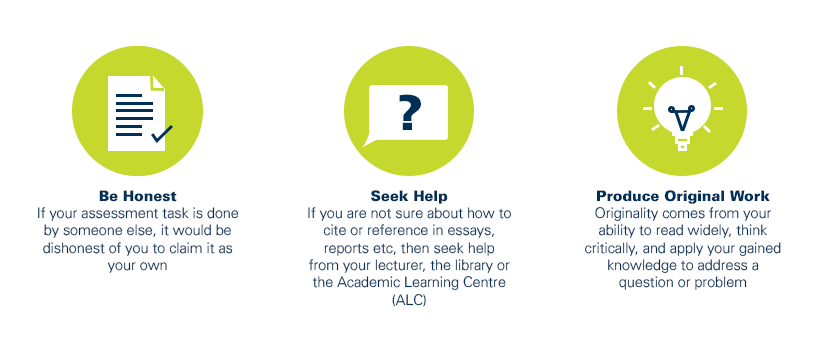
As a CQUniversity student you are expected to act honestly in all aspects of your academic work.
Any assessable work undertaken or submitted for review or assessment must be your own work. Assessable work is any type of work you do to meet the assessment requirements in the unit, including draft work submitted for review and feedback and final work to be assessed.
When you use the ideas, words or data of others in your assessment, you must thoroughly and clearly acknowledge the source of this information by using the correct referencing style for your unit. Using others’ work without proper acknowledgement may be considered a form of intellectual dishonesty.
Participating honestly, respectfully, responsibly, and fairly in your university study ensures the CQUniversity qualification you earn will be valued as a true indication of your individual academic achievement and will continue to receive the respect and recognition it deserves.
As a student, you are responsible for reading and following CQUniversity’s policies, including the Student Academic Integrity Policy and Procedure. This policy sets out CQUniversity’s expectations of you to act with integrity, examples of academic integrity breaches to avoid, the processes used to address alleged breaches of academic integrity, and potential penalties.
What is a breach of academic integrity?
A breach of academic integrity includes but is not limited to plagiarism, self-plagiarism, collusion, cheating, contract cheating, and academic misconduct. The Student Academic Integrity Policy and Procedure defines what these terms mean and gives examples.
Why is academic integrity important?
A breach of academic integrity may result in one or more penalties, including suspension or even expulsion from the University. It can also have negative implications for student visas and future enrolment at CQUniversity or elsewhere. Students who engage in contract cheating also risk being blackmailed by contract cheating services.
Where can I get assistance?
For academic advice and guidance, the Academic Learning Centre (ALC) can support you in becoming confident in completing assessments with integrity and of high standard.
What can you do to act with integrity?